Loading cards...
News & Insights
Anstey Horne has been providing specialist property advice for more than 230 years, making us one of the UK’s most established and experienced firms of specialist chartered surveyors.
Our News and Insights section brings together the knowledge and experience of our specialist teams, providing clients, property professionals, developers, investors, landlords, occupiers and advisers with informed commentary on the issues that affect property and development across the UK.
Our articles cover a broad range of specialist disciplines, including Rights to Light, Daylight and Sunlight, Party Wall matters, Building Consultancy, Dilapidations, Fire Consultancy, Cladding Remediation, Building Safety, Project Management, Cost Consultancy and other complex property issues.
Few firms can match the depth of specialist knowledge that Anstey Horne has developed over more than two centuries. Since our origins in 1795, we have built a reputation for providing clear, independent and technically rigorous advice on some of the most complex issues affecting property, construction and development.
Today, our teams combine that long-established experience with modern surveying techniques, specialist technical analysis and an in-depth understanding of current legislation, professional standards and industry practice.
FILTER
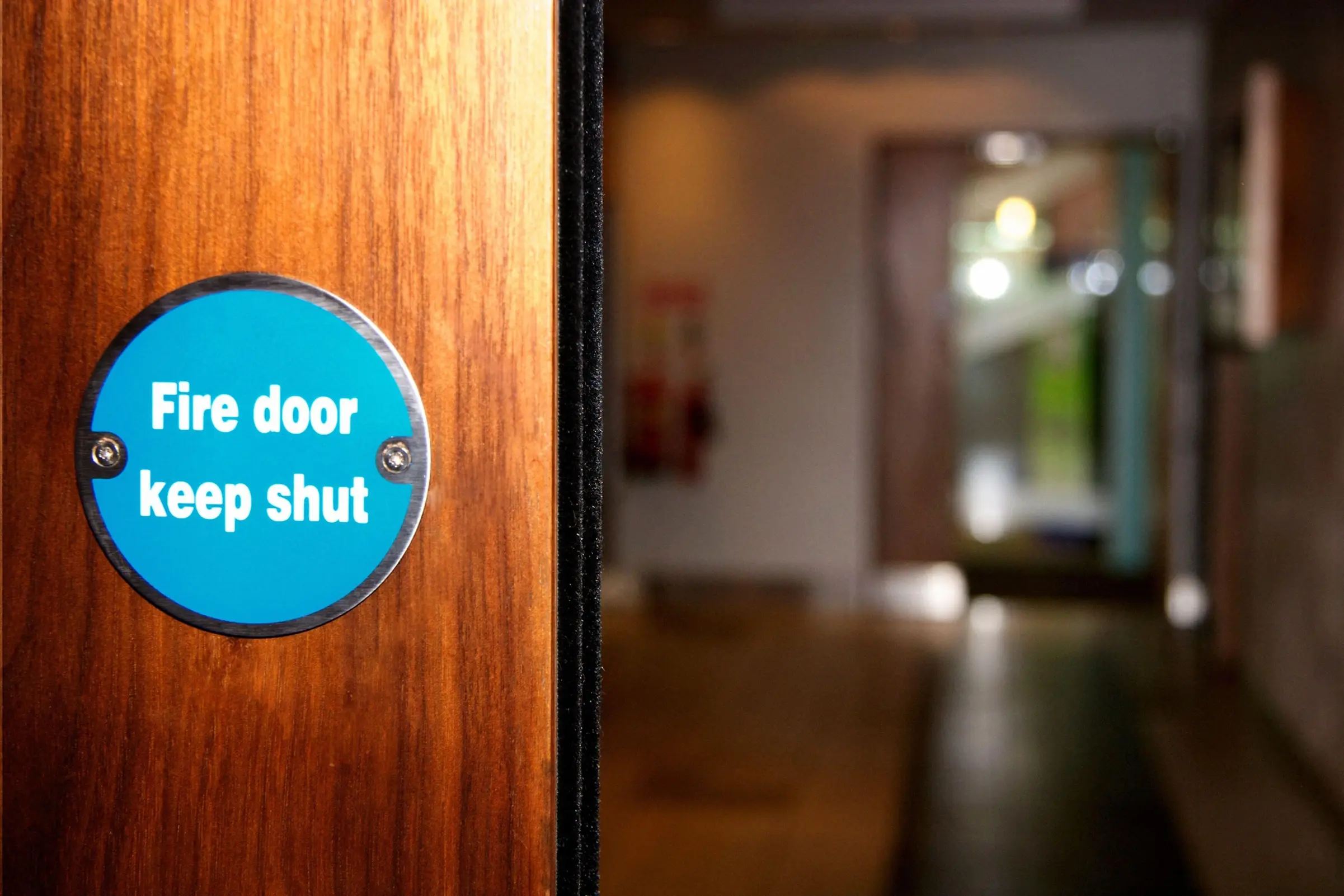
Fire Door Inspection: Checklist, Common Defects and What to Expect
A fire door inspection helps you identify damage, operational faults and alterations that could affect a door’s ability to resist fire and smoke. It gives building owners, managing agents and Responsible Persons the information they need to arrange repairs, prioritise expenditure and maintain reliable records.
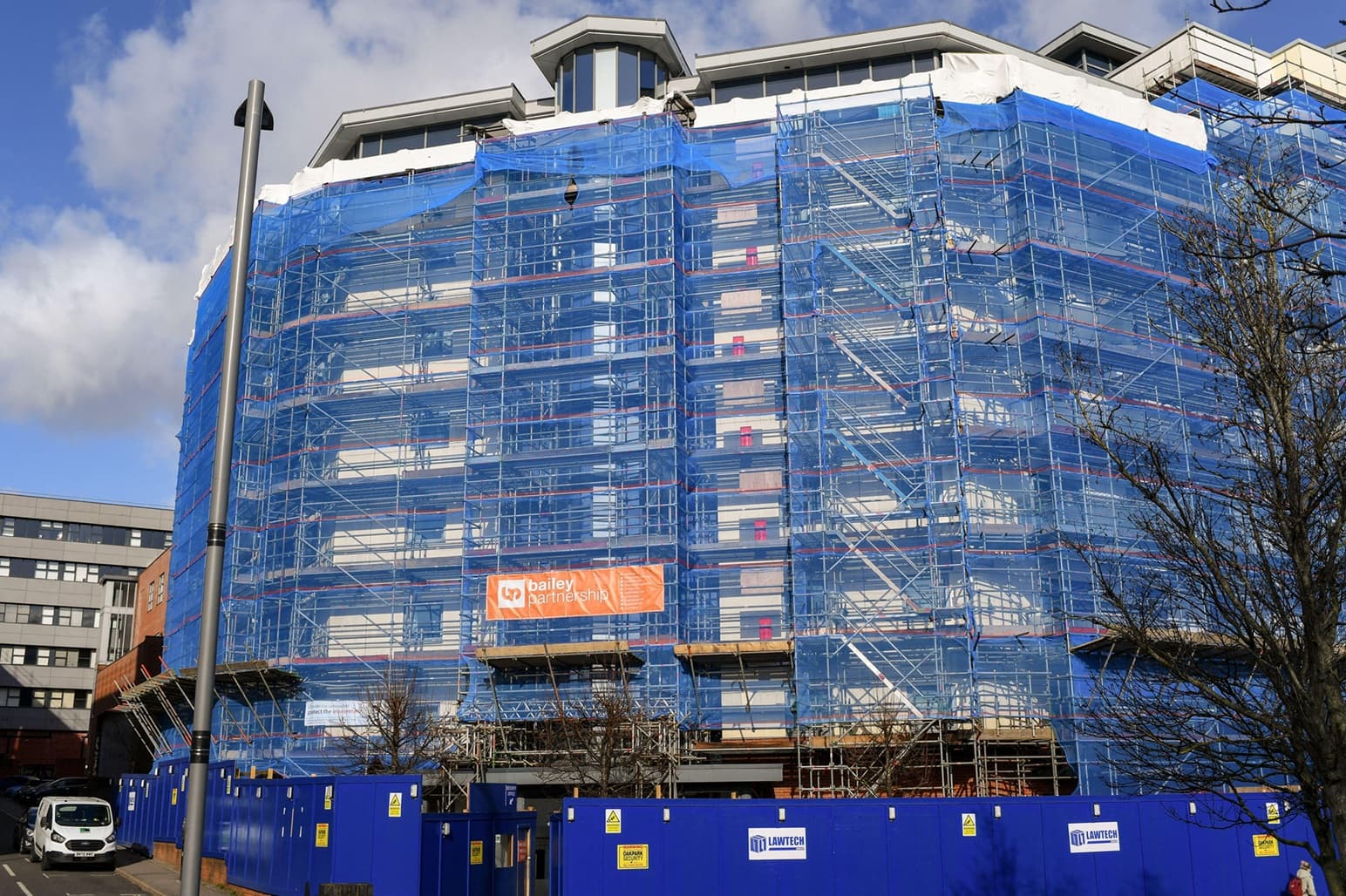
Is a FRAEW Survey a Legal Requirement?
Since the introduction of the Building Safety Act 2022 and increased scrutiny of external wall fire safety following the Grenfell Tower tragedy, many building owners, managing agents, resident management companies and developers have asked the same question: is a FRAEW survey a legal requirement?
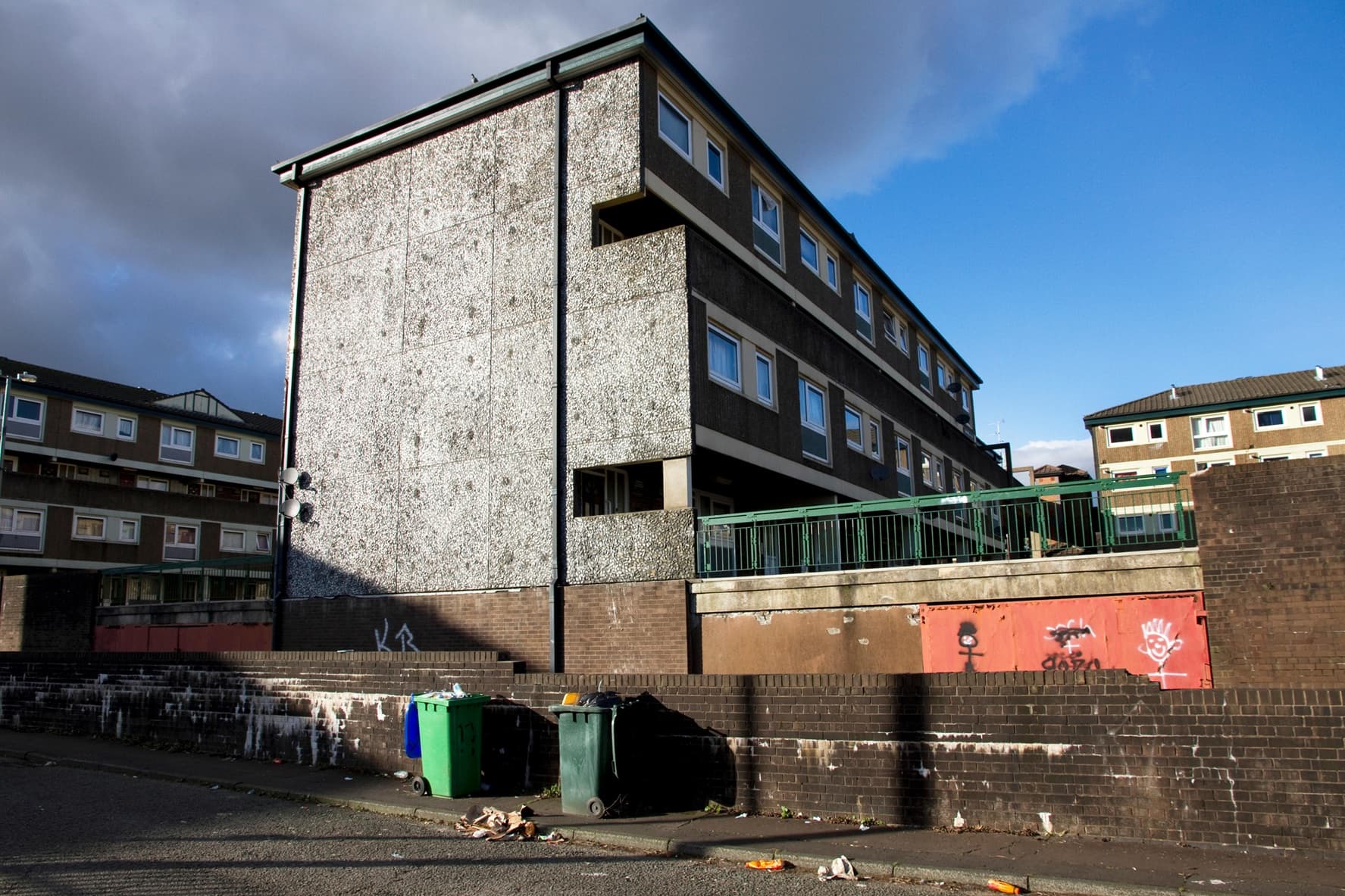
Awaab’s Law Timeframes Explained: What Social Landlords Need to Know
Awaab’s Law timeframes are transforming how social landlords respond to damp, mould, and other serious housing hazards. For the first time, social landlords in England face legally binding deadlines for investigating hazards, carrying out repairs, and protecting residents from unsafe living conditions.
Can a Planning Permission Be Challenged Over Daylight?
Residents often object to proposed developments because they fear a new building will block natural light to their homes, gardens, or workplaces. However, many people are surprised to discover that even after planning permission has been granted, there may still be circumstances where a decision can be challenged. The question is often framed as: can a planning permission be challenged over daylight?
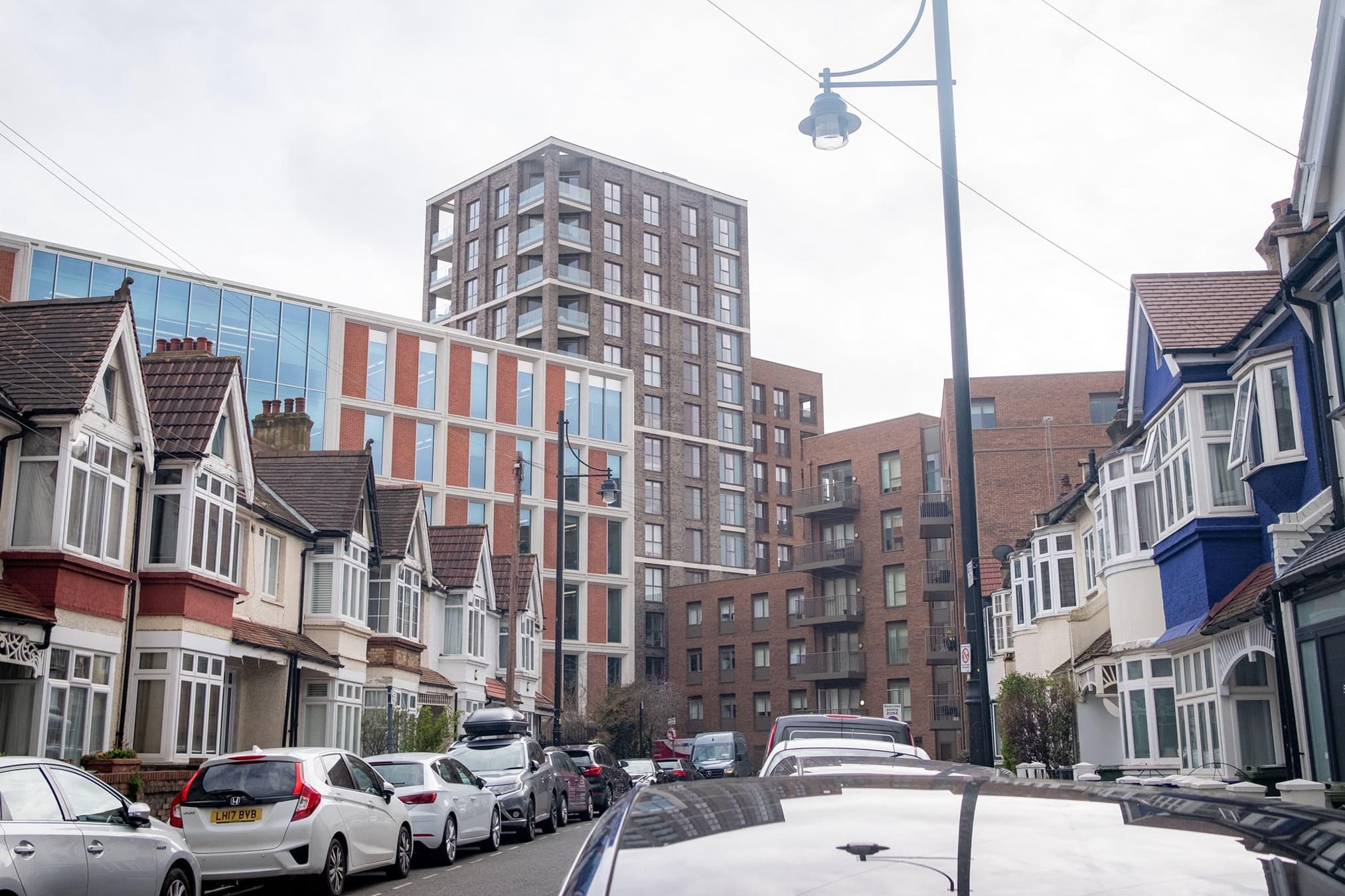
What Causes Damp and Mould in Flats?
Damp and mould are among the most common housing defects reported in flats across the UK.
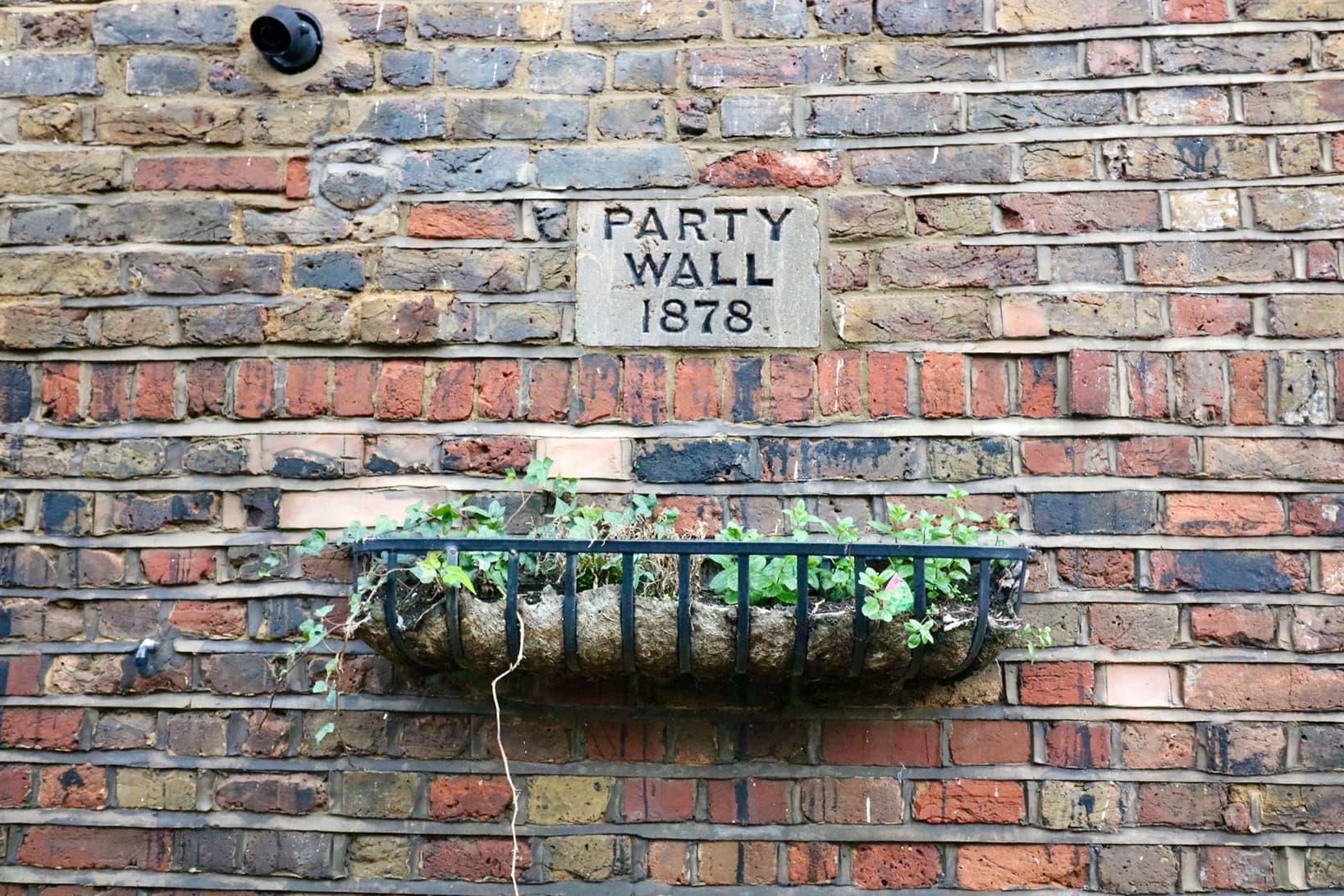
Party Wall Surveyor: What They Do, Why You Need One, and How the Process Works
A Party Wall Surveyor plays a critical role in managing building works that affect shared walls, neighbouring properties, and nearby foundations under the Party Wall etc. Act 1996.
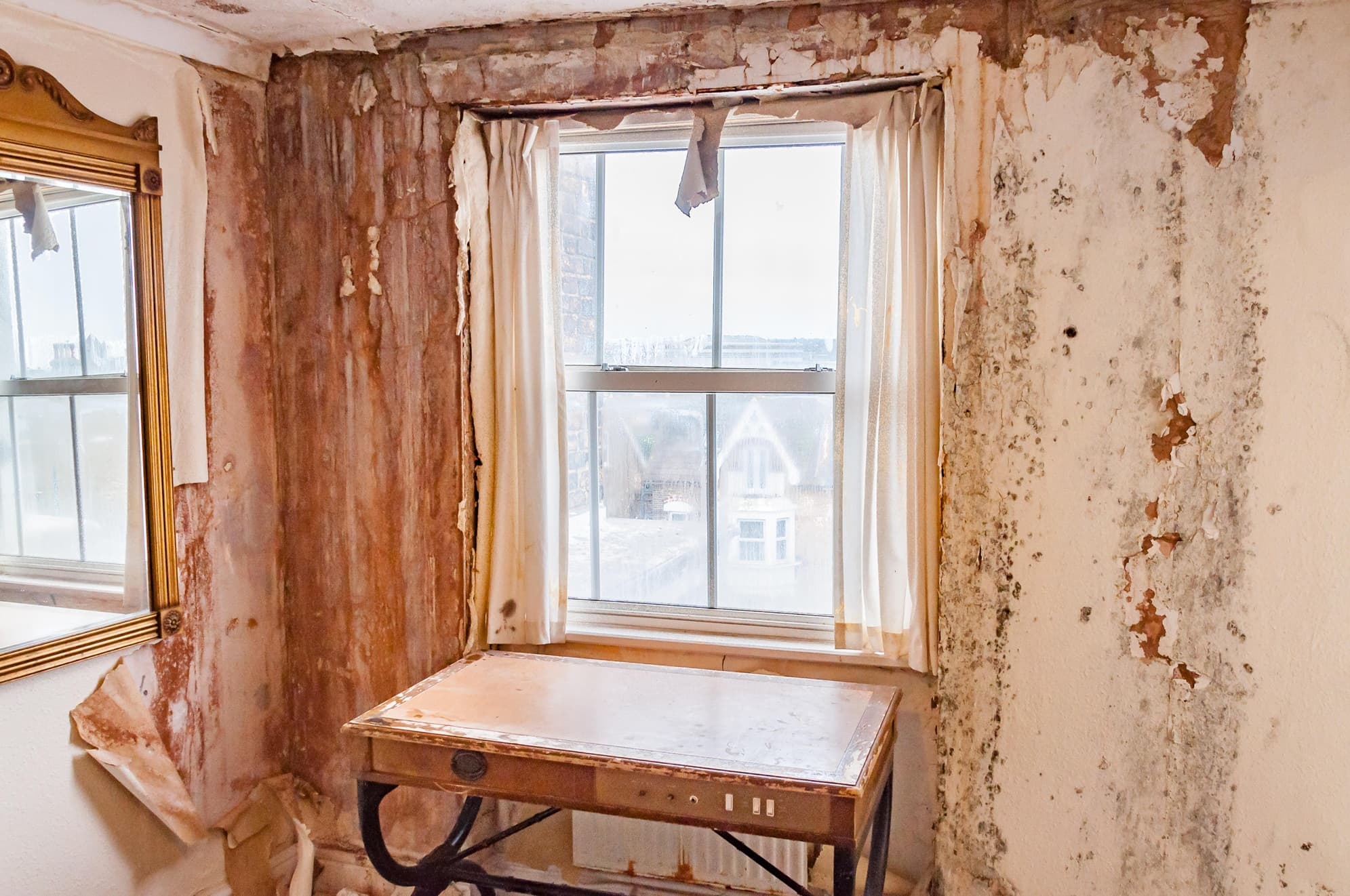
Housing Disrepair Survey: Why Professional Surveys Matter
Housing disrepair surveys address one of the most serious issues affecting residential property across the UK.

Rebuild Cost vs Market Value: Which Figure Should You Use for Buildings Insurance?
When comparing rebuild cost vs market value, the key distinction is straightforward: market value concerns what a buyer would pay for your property; rebuild cost concerns what you would spend to reconstruct it. For buildings insurance on a reinstatement basis, use the property’s rebuild cost when your insurer asks for a rebuilding figure. Your purchase price, estate agent’s valuation or outstanding mortgage balance cannot reliably answer that question. The Association of British Insurers explains that rebuilding costs can sit below or above a property’s sale price. Understanding the difference helps you avoid an insurance shortfall—or paying for a figure that overstates your rebuilding needs.
FRAEW Meaning Explained: A Complete Guide to External Wall Fire Reviews
If you work with residential buildings, manage property portfolios, own flats in a higher-risk building, or need to satisfy lender requirements, you have probably come across the term FRAEW.
What is Awaab’s Law? Updated Guide for Social and Private Landlords
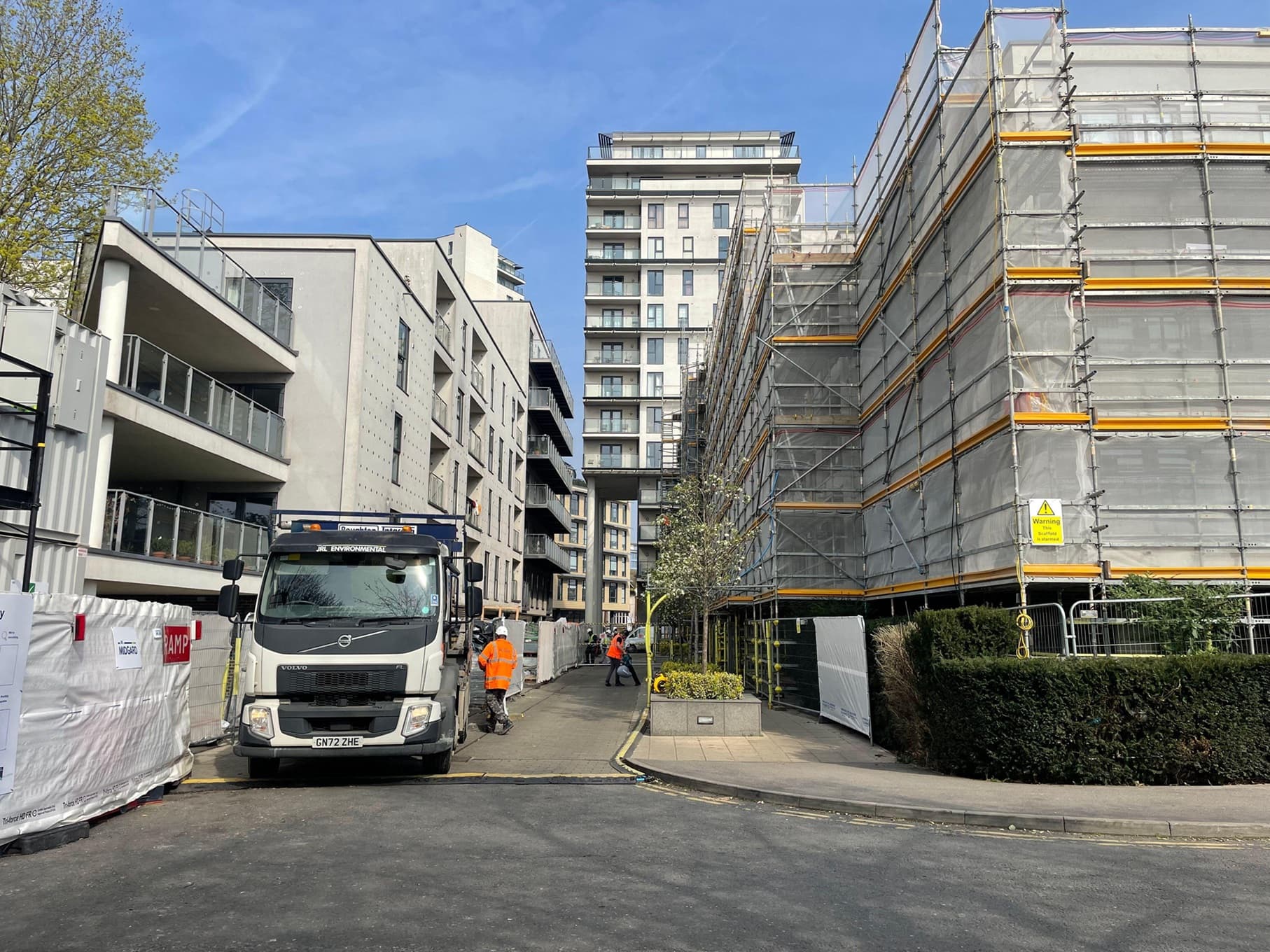
Awaab’s Law is a major reform to housing regulation in England that introduces strict legal duties requiring landlords to investigate and repair dangerous housing conditions within fixed statutory timescales.
What Is a Fire Strategy? A Complete Guide
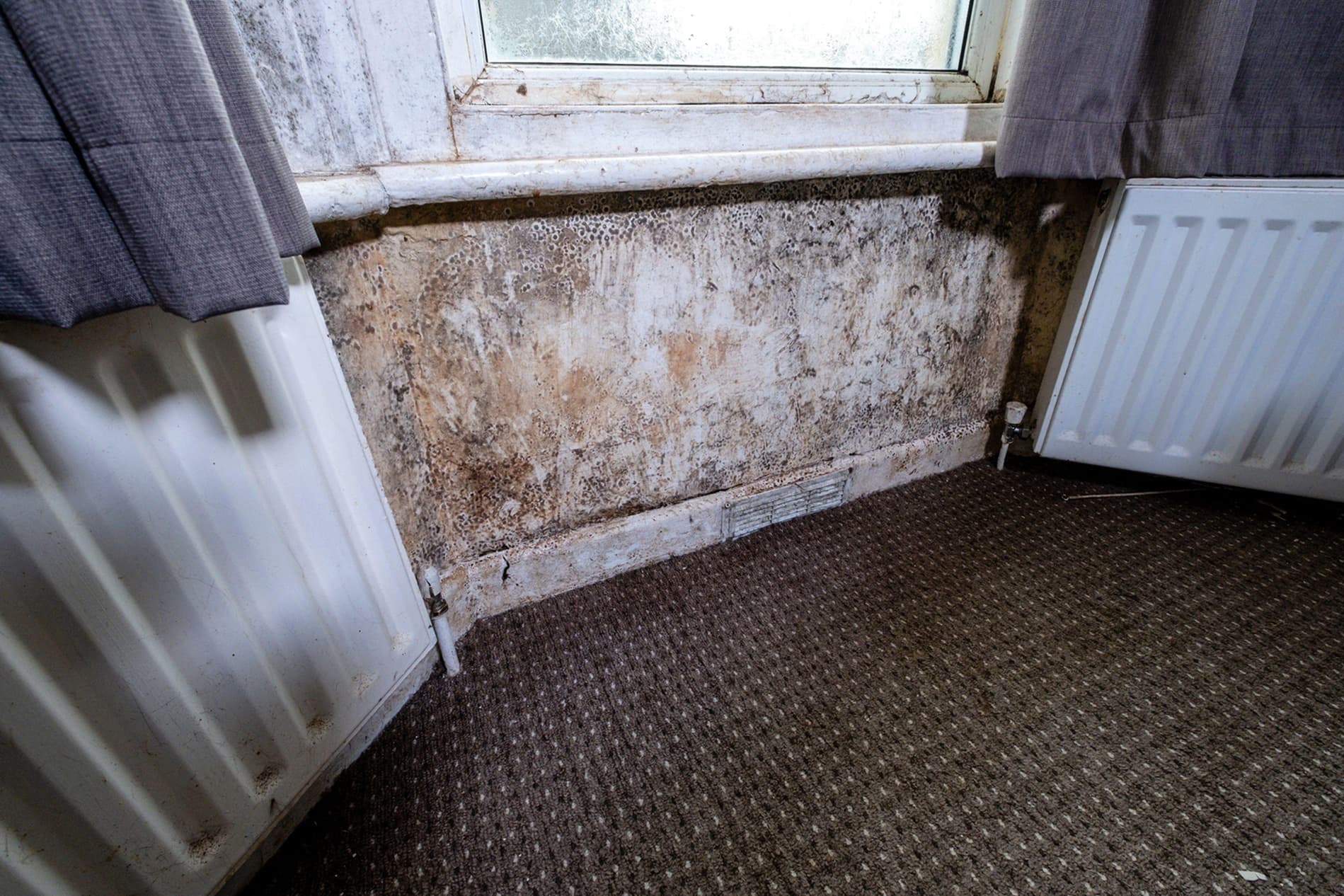
Fire safety now sits at the centre of building design, planning approval, construction and long-term building management.

What Are the Requirements for a Fire Risk Assessment?
If you manage, own, lease, or control non-domestic premises in the UK, you are likely under a legal duty to carry out a fire risk assessment.