Housing Disrepair Survey: Why Professional Surveys Matter
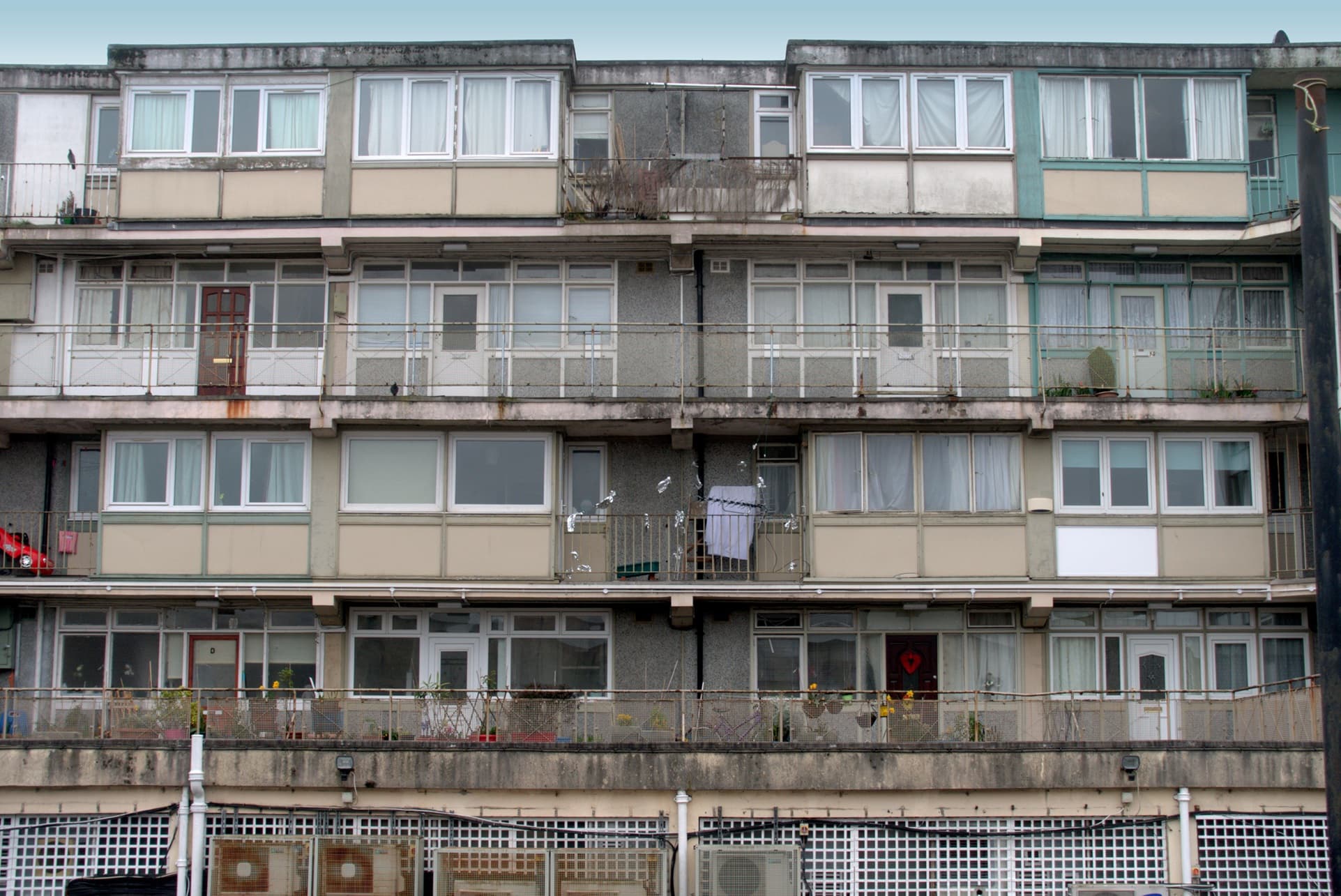
Housing disrepair surveys address one of the most serious issues affecting residential property across the UK. Damp and mould, structural movement, leaks, defective heating systems, unsafe electrics, poor ventilation and fire safety defects can all create dangerous living conditions that affect health, wellbeing and property value.
A professional Housing Disrepair Survey provides clear evidence of defects within a property, explains the likely causes, identifies breaches of repairing obligations and recommends remedial works. These surveys play a central role in housing disrepair claims, compliance investigations, landlord risk management and tenant protection.
For tenants, a Housing Disrepair Survey can provide the evidence needed to support legal action or force repairs. For landlords and housing providers, it provides an independent assessment that helps identify liabilities, prioritise remedial works and demonstrate compliance with legal obligations.
With the introduction of Awaab’s Law and increased scrutiny of housing conditions, professional Housing Disrepair Surveys have become more important than ever.
What Is a Housing Disrepair Survey?
A Housing Disrepair Survey is a detailed inspection of a residential property carried out by a qualified surveyor or building professional to assess defects, hazards, disrepair and health and safety risks.
The survey typically examines:
- Damp and mould
- Water penetration
- Condensation
- Structural defects
- Defective roofs and gutters
- Plumbing issues
- Heating and hot water failures
- Electrical hazards
- Fire safety concerns
- Ventilation problems
- Insulation defects
- Flooring defects
- Windows and doors
- Pest infestation evidence
- Internal environmental conditions
The purpose of the survey is to establish:
- The existence and severity of disrepair
- The likely causes
- Whether the landlord has responsibility
- Whether the defects create health risks
- What remedial works are required
- Estimated repair costs
- Whether the property may be unfit for habitation
The survey often forms the foundation of legal proceedings, expert witness evidence or enforcement action.
Why Housing Disrepair Surveys Matter
Poor housing conditions can create serious physical and mental health impacts. Damp and mould exposure has been linked to respiratory disease, asthma, stress and other serious conditions.
The Housing Health and Safety Rating System (HHSRS) identifies damp and mould growth, excess cold, fire hazards, electrical hazards and structural collapse among the principal housing hazards.
The HHSRS also identifies severe respiratory illnesses, asthma and chronic stress as recognised harms associated with hazardous housing conditions.
Following the death of Awaab Ishak, government guidance now places strict obligations on social landlords to investigate and remedy serious hazards within defined timescales.
Housing Disrepair Surveys therefore serve several critical purposes:
- Protecting occupant health and safety
- Establishing evidence for legal claims
- Supporting compliance with landlord obligations
- Prioritising urgent repairs
- Identifying Category 1 and Category 2 hazards
- Reducing litigation risk
- Supporting insurance and asset management decisions
- Demonstrating compliance with Awaab’s Law
Common Issues Identified in a Housing Disrepair Survey
Damp and Mould
Damp and mould remain the most common issues identified in housing disrepair cases.
Surveyors investigate:
- Rising damp
- Penetrating damp
- Condensation
- Black mould growth
- Defective ventilation
- Thermal bridging
- Inadequate insulation
- Leaking roofs or gutters
- Plumbing leaks
Government guidance specifically states that landlords should not assume mould results from a tenant’s “lifestyle” without investigation.
Surveyors assess whether defects arise from:
- Structural deficiencies
- Design failures
- Lack of maintenance
- Disrepair
- Inadequate heating or ventilation systems
Structural Defects
Housing Disrepair Surveys frequently identify structural problems such as:
- Cracking
- Subsidence
- Defective lintels
- Movement
- Roof spread
- Timber decay
- Failing retaining walls
- Structural instability
Structural issues can create serious hazards and may require immediate investigation and temporary safety measures.
Heating and Hot Water Defects
Excess cold is a recognised HHSRS hazard.
Surveyors assess:
- Boiler failures
- Inadequate heating systems
- Lack of insulation
- Cold bridging
- Inadequate hot water supply
- Unsafe gas appliances
Broken boilers may constitute emergency hazards under Awaab’s Law depending on tenant vulnerability and weather conditions.
Electrical Hazards
Defects commonly identified in electrical systems include:
- Exposed wiring
- Unsafe consumer units
- Overloaded circuits
- Defective sockets
- Missing RCD protection
- Fire risks
Electrical hazards are specifically recognised within the HHSRS framework.
Fire Safety Defects
Surveyors may identify:
- Inadequate fire doors
- Missing smoke detection
- Compartmentation failures
- Means of escape issues
- Combustible materials
- Defective communal fire safety systems
These issues may overlap with broader building safety obligations.
Water Ingress and Plumbing Failures
Water penetration remains a major source of housing disrepair claims.
Surveyors investigate:
- Roof leaks
- Burst pipes
- Defective drainage
- Faulty seals
- Overflow leaks
- Gutter failures
Significant leaks may constitute emergency hazards under Awaab’s Law.
What Does a Housing Disrepair Survey Include?
A professional Housing Disrepair Survey typically includes several stages.
Initial Instructions and Background Review
The surveyor reviews:
- Tenancy information
- Repair history
- Complaint records
- Medical evidence
- Previous reports
- Photographs
- Correspondence
This helps establish chronology and landlord awareness.
Property Inspection
The surveyor carries out a detailed inspection of:
- Internal rooms
- External envelope
- Roof areas
- Ventilation systems
- Heating systems
- Services
- Structural elements
- Common areas where relevant
The inspection may involve:
- Moisture readings
- Thermal imaging
- Humidity analysis
- Ventilation testing
- Photographic evidence
- Dimensional surveys
Hazard Assessment
Surveyors assess hazards using HHSRS principles and determine whether conditions may create Category 1 or Category 2 hazards.
The Housing Health and Safety Rating System identifies 29 separate hazards including damp and mould growth, fire, electrical hazards and structural collapse.
Causation Analysis
A key part of the survey is determining the root cause of defects.
For example:
- Is mould caused by defective insulation?
- Is condensation linked to inadequate ventilation?
- Is damp caused by penetrating water?
- Is cracking structural or cosmetic?
This analysis is essential in housing disrepair litigation.
Repair Recommendations
The report identifies:
- Immediate safety works
- Short-term repairs
- Long-term remedial works
- Preventative measures
- Recommended specialist investigations
Expert Report Preparation
The final report may include:
- Defect schedules
- Photographs
- Repair recommendations
- Cost estimates
- Hazard analysis
- Fitness for habitation assessment
- Expert witness statements
Housing Disrepair Surveys and Awaab’s Law
Awaab’s Law represents a major change in housing regulation for the social rented sector.
The regulations require landlords to investigate potential significant hazards within 10 working days and emergency hazards within 24 hours.
Landlords must also:
- Provide written investigation summaries
- Undertake safety works within defined timeframes
- Begin preventative works quickly
- Provide alternative accommodation where necessary
The guidance specifically recognises damp and mould as potentially significant or emergency hazards.
Housing Disrepair Surveys now play a central role in helping landlords:
- Assess hazards
- Prioritise works
- Demonstrate compliance
- Reduce enforcement risk
- Maintain accurate records
They also provide critical evidence for tenants where landlords fail to act within statutory timeframes.
Legal Duties Relevant to Housing Disrepair
Several legal frameworks apply to housing disrepair.
Landlord and Tenant Act 1985
Landlords must maintain:
- Structure and exterior
- Heating systems
- Water installations
- Sanitation systems
Homes (Fitness for Human Habitation) Act 2018
Properties must remain fit for human habitation throughout the tenancy.
Hazards such as damp, mould, excess cold and structural instability may render a property unfit.
Housing Act 2004
The HHSRS framework enables local authorities to assess housing hazards and take enforcement action.
Category 1 hazards require enforcement action.
Awaab’s Law
The Social Housing (Regulation) Act 2023 introduced Awaab’s Law obligations for social landlords.
Housing Disrepair Claims
Housing Disrepair Surveys are frequently used in legal claims involving:
- Local authorities
- Housing associations
- Private landlords
- Managing agents
The survey provides independent expert evidence supporting claims for:
- Repair orders
- Compensation
- Alternative accommodation
- Personal injury
- Loss of amenity
Typical evidence includes:
- Photographs
- Moisture analysis
- Medical impacts
- Chronology of complaints
- Repair failures
- Hazard assessments
Social Housing and Housing Disrepair
Social housing providers face increasing scrutiny from regulators, tenants and the Housing Ombudsman.
The guidance on Awaab’s Law stresses the importance of:
- Accurate records
- Effective triage
- Vulnerability assessments
- Timely investigations
- Tenant communication
Housing Disrepair Surveys help landlords demonstrate:
- Compliance efforts
- Proactive management
- Risk mitigation
- Asset condition understanding
The Importance of Accurate Evidence
Many housing disrepair disputes depend heavily on evidence.
Professional surveys provide:
- Independent expert opinion
- Objective defect analysis
- Technical investigation
- Causation assessment
- Clear repair recommendations
Poor evidence often weakens legal claims or defence strategies.
A professionally prepared Housing Disrepair Survey can therefore significantly influence:
- Settlement negotiations
- Court outcomes
- Enforcement action
- Remedial strategies
How Long Does a Housing Disrepair Survey Take?
The duration depends on:
- Property size
- Complexity of defects
- Access arrangements
- Specialist investigations required
Typical inspections may take between 1 and 4 hours, with reports issued within several days.
Complex cases involving structural defects, extensive damp or fire safety concerns may require specialist consultants and longer reporting periods.
What Makes a Good Housing Disrepair Survey?
A high-quality Housing Disrepair Survey should:
- Identify all visible defects
- Assess root causes
- Reference relevant legislation
- Assess health and safety risks
- Include photographic evidence
- Provide practical repair recommendations
- Clearly allocate responsibilities
- Be suitable for litigation if required
Surveyors should also understand:
- HHSRS methodology
- Building pathology
- Damp diagnostics
- Landlord obligations
- Court requirements
- Expert witness standards
Why Choose Anstey Horne for Housing Disrepair Surveys?
Anstey Horne provides detailed Housing Disrepair Surveys across the UK for tenants, landlords, housing associations, solicitors and managing agents.
Our team combines expertise in:
- Building surveying
- Fire safety
- Building pathology
- Damp and mould assessment
- Residential defects
- Expert witness reporting
- Housing compliance
We provide:
- Independent technical inspections
- Detailed photographic evidence
- HHSRS-informed assessments
- Clear remedial recommendations
- Litigation support
- Expert witness services
Our surveys help clients understand the condition of residential properties, identify liabilities and resolve disputes effectively.
FAQs About Housing Disrepair Surveys
What is a Housing Disrepair Survey?
A Housing Disrepair Survey is a professional inspection of a residential property to identify defects, hazards and landlord repair failures.
Who can commission a Housing Disrepair Survey?
Tenants, landlords, housing associations, solicitors, insurers and managing agents can all instruct Housing Disrepair Surveys.
What issues are covered in a Housing Disrepair Survey?
Common issues include damp, mould, leaks, structural defects, electrical hazards, heating failures and fire safety concerns.
Can a Housing Disrepair Survey support a legal claim?
Yes. These surveys are commonly used as expert evidence in housing disrepair claims and court proceedings.
What is Awaab’s Law?
Awaab’s Law introduces statutory repair response times for social landlords dealing with serious housing hazards including damp and mould.
What is the HHSRS?
The Housing Health and Safety Rating System is the government framework used to assess housing hazards and risks.
Can mould make a property unfit for habitation?
Yes. Severe damp and mould can create serious health risks and may render a property unfit for habitation.
Are landlords responsible for condensation and mould?
Landlords may be responsible where mould results from structural defects, inadequate insulation, defective ventilation or disrepair.
How quickly should landlords respond to serious hazards?
Under Awaab’s Law, emergency hazards may require investigation and action within 24 hours.
Can Housing Disrepair Surveys include cost estimates?
Yes. Surveys often include estimated repair costs and schedules of remedial works.
Conclusion
A Housing Disrepair Survey provides vital evidence about the condition of residential property and the risks posed to occupants. With growing regulatory scrutiny, stronger tenant protections and the introduction of Awaab’s Law, professional surveys now play a central role in housing management and dispute resolution.
Whether you are a tenant seeking repairs, a landlord managing risk, or a solicitor preparing litigation, a detailed Housing Disrepair Survey provides the technical evidence needed to assess hazards, establish responsibility and identify practical solutions.
For expert Housing Disrepair Surveys, technical inspections and litigation support, Anstey Horne provides clear, professional and evidence-based advice across the UK.
To arrange a no-obligation consultation – please call 020 4534 3130.
If you rather we called you, or for further information please fill in our contact form and we will be in touch.
For more information on all aspects of this service see the collection of articles in our blog.
To discuss Housing Disrepair Surveys please call 020 4534 3130.
For further information, please contact :

Paul Phillips
BSc (Hons) MRICS C.BuildE MCABE
Senior Director
Building Surveying
London

Jonathan Rees-Davies
BSc MSc MRICS
Associate Director
Building Surveying
London