What Causes Damp and Mould in Flats?
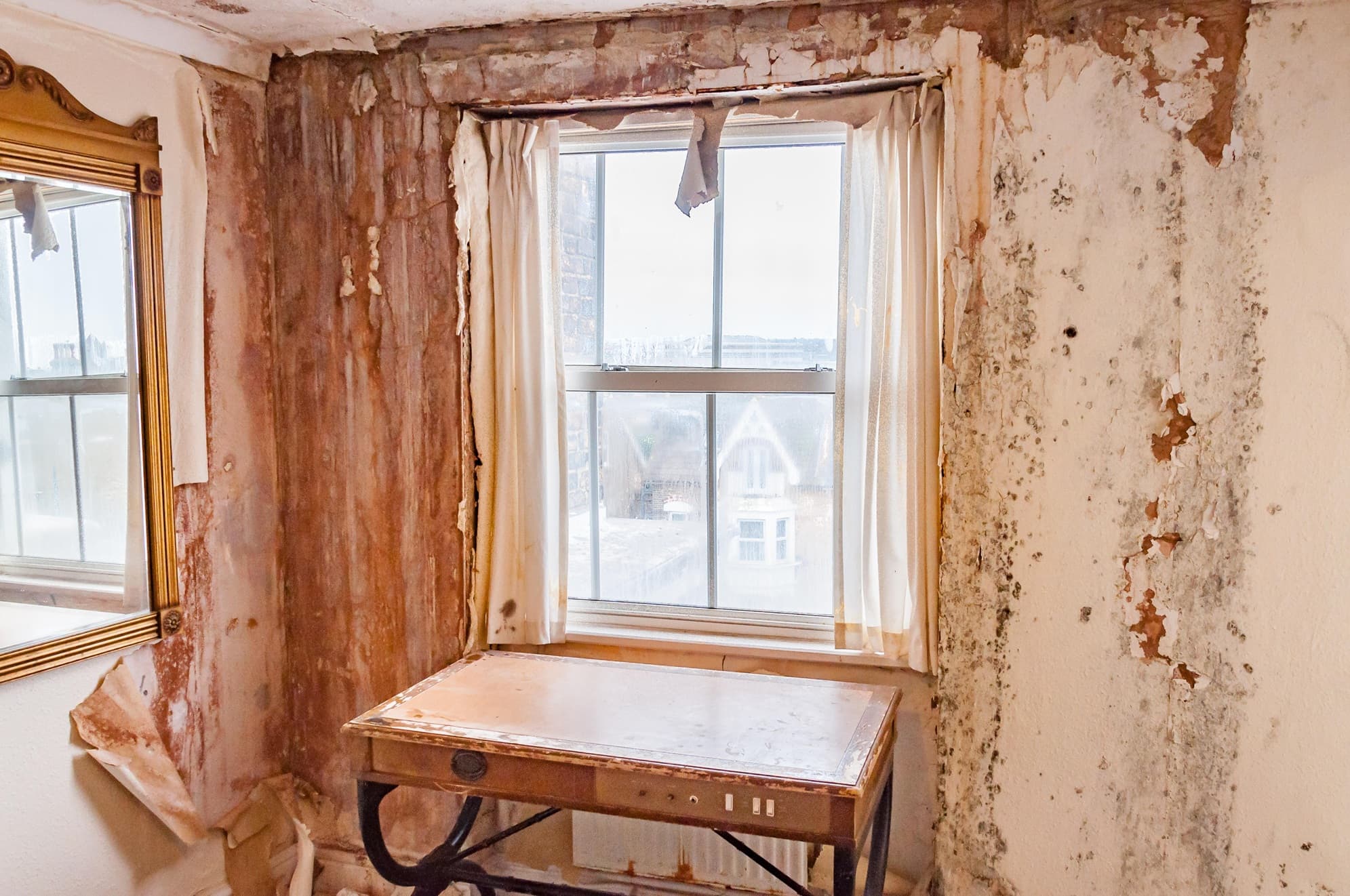
Damp and mould are among the most common housing defects reported in flats across the UK. They affect private rented homes, social housing, leasehold apartments, and shared residential blocks. While some people assume mould only develops because tenants fail to open windows or dry clothes indoors, the reality is far more complex. In many cases, the root cause of mould in flats relates to defects in the building itself, inadequate ventilation, poor insulation, leaking services, or failures in maintenance and repair.
Understanding the true causes of mould in flats matters for tenants, landlords, managing agents, housing associations, developers, and surveyors alike. Damp and mould can damage buildings, reduce property value, create unhealthy living conditions, and lead to housing disrepair claims. Under modern housing legislation and emerging requirements linked to Awaab’s Law, landlords and housing providers face increasing pressure to investigate and resolve mould problems quickly and properly.
This guide explains the main causes of mould in flats, how damp develops, why some flats are more vulnerable than others, and what steps property owners should take to identify and resolve the underlying issues.
Why Damp and Mould Are Serious Problems
Mould is not simply a cosmetic issue. Persistent damp and mould growth can affect respiratory health, aggravate asthma, trigger allergic reactions, and contribute to poor indoor air quality. Children, older people, and residents with pre-existing health conditions are particularly vulnerable.
The Housing Act 2004 established the Housing Health and Safety Rating System (HHSRS), which treats damp and mould growth as a potential housing hazard. The legislation defines hazards as risks to health or safety arising from deficiencies within residential premises. Local authorities have powers and duties to investigate hazardous housing conditions and take enforcement action where category 1 hazards exist.
The issue gained even greater national attention following the death of Awaab Ishak, which led to Awaab’s Law introducing legally binding repair response expectations for damp and mould hazards in social housing.
Understanding the Difference Between Damp and Mould
Damp refers to excess moisture within a building structure or indoor environment. Mould is the fungal growth that develops when moisture remains present over time.
Not all damp immediately causes visible mould, but persistent moisture creates ideal conditions for fungal growth. Mould spores exist naturally in the air. When they settle on damp surfaces, colonies can form rapidly.
The three main forms of damp found in flats are:
- Condensation damp
- Penetrating damp
- Rising damp
Many flats experience a combination of these issues rather than a single isolated defect.
Condensation: The Most Common Cause of Mould in Flats
Condensation is one of the leading causes of mould in flats throughout the UK. It occurs when warm moist air comes into contact with cold surfaces. Water vapour condenses into liquid droplets, particularly on windows, external walls, ceilings, and corners.
Why Flats Are Vulnerable to Condensation
Modern flats often have several characteristics that increase condensation risk:
- High levels of airtightness
- Limited natural ventilation
- Small room sizes
- Cold bridging
- Inadequate extractor systems
- Occupancy density
- Reduced background heating
Daily activities generate substantial moisture indoors. Cooking, showering, washing clothes, and even breathing release water vapour into the air.
A family living in a two-bedroom flat can produce several litres of moisture every day. Without effective ventilation and adequate heating, humidity levels rise quickly.
Poor Ventilation
Poor ventilation is one of the biggest contributors to condensation mould.
Many flats rely on mechanical extraction systems in kitchens and bathrooms. When extractor fans fail, become blocked, or perform poorly, moisture remains trapped indoors.
Common ventilation problems include:
- Broken extractor fans
- Fans venting into ceiling voids instead of outside
- Blocked air bricks
- Sealed trickle vents
- Inadequate airflow design
- Poor maintenance of communal ventilation systems
Internal bathrooms without windows are particularly vulnerable if extraction rates are insufficient.
Cold Surfaces and Thermal Bridging
Condensation develops most heavily on cold surfaces.
Thermal bridging occurs where parts of a building envelope conduct heat more efficiently than surrounding materials. This creates cold spots where moisture condenses more easily.
Common thermal bridges in flats include:
- Concrete floor slabs
- Steel structural frames
- Balcony connections
- Window reveals
- External corners
- Ceiling junctions
- Uninsulated lintels
Many post-war tower blocks and converted flats suffer from significant thermal bridging problems.
Inadequate Heating
Low indoor temperatures increase condensation risk because cold air holds less moisture.
Residents facing fuel poverty may avoid heating their homes adequately. Intermittent heating patterns also increase surface condensation.
Flats with poor insulation often experience greater temperature differences between internal air and external walls, which encourages mould growth.
Penetrating Damp in Flats
Penetrating damp occurs when water enters the building fabric from outside or through internal defects.
Unlike condensation, penetrating damp usually appears as localised staining or damp patches.
Roof Leaks
Top-floor flats are particularly vulnerable to roof defects.
Common causes include:
- Damaged roof coverings
- Failed flashings
- Blocked gutters
- Cracked parapets
- Defective flat roof membranes
- Poor drainage falls
Water ingress may travel significant distances before becoming visible internally. This can make diagnosis difficult.
External Wall Defects
Water penetration through walls can occur due to:
- Cracked render
- Defective pointing
- Failed cavity wall ties
- Porous masonry
- Inadequate weatherproofing
- Defective cladding systems
Older brick buildings and poorly maintained facades often experience recurring water ingress problems.
Window Defects
Defective windows are another major cause of damp in flats.
Problems commonly include:
- Failed perimeter seals
- Inadequate drainage channels
- Faulty installation
- Rotting timber frames
- Failed double glazing units
Water penetration around windows frequently causes mould around reveals and internal plaster finishes.
Plumbing Leaks
Internal plumbing defects can create persistent damp conditions.
Examples include:
- Leaking pipework
- Defective shower trays
- Failed sealant
- Overflowing baths
- Leaking waste pipes
- Communal service riser leaks
In blocks of flats, leaks may originate from neighbouring properties or communal pipework rather than the affected flat itself.
Rising Damp in Flats
Rising damp occurs when groundwater moves upward through porous masonry due to capillary action.
It is less common in upper-floor flats but can affect:
- Ground-floor flats
- Basement apartments
- Older converted buildings
Typical signs include:
- Damp tide marks
- Salt deposits
- Decayed skirting boards
- Peeling wallpaper
- Damp plaster near floor level
Many suspected rising damp cases are actually condensation or penetrating damp. Proper investigation is essential before recommending treatment.
Building Design Problems That Cause Mould
Some flats experience chronic damp because of poor design rather than isolated maintenance failures.
Inadequate Insulation
Insufficient insulation allows internal surfaces to become cold.
Common problem areas include:
- Solid wall construction
- Uninsulated concrete panels
- Exposed structural elements
- Poor retrofit insulation detailing
Buildings constructed before modern energy efficiency standards are particularly vulnerable.
Poorly Designed Ventilation Systems
Modern energy-efficient buildings can trap moisture if ventilation systems are poorly designed.
Common issues include:
- Undersized extraction systems
- Lack of make-up air
- Poor commissioning
- Inadequate maintenance access
- Resident inability to control systems effectively
Mechanical ventilation systems require ongoing maintenance to function properly.
Cladding and Façade Defects
Modern apartment blocks sometimes suffer from water penetration associated with façade systems.
Issues may involve:
- Failed cavity barriers
- Poor membrane installation
- Defective rainscreen systems
- Inadequate drainage cavities
- Missing fire stopping affecting moisture movement
Water ingress within external wall systems can remain hidden for long periods before visible mould appears internally.
Occupancy and Lifestyle Factors
Lifestyle factors can contribute to mould risk, but they rarely explain severe or persistent mould problems on their own.
Drying Clothes Indoors
Drying laundry indoors releases substantial moisture into the air.
Without adequate ventilation, humidity levels can rise rapidly.
Overcrowding
Higher occupancy increases moisture generation through:
- Breathing
- Washing
- Cooking
- Showering
Small flats with multiple occupants face greater condensation risks.
Limited Ventilation Use
Some occupants avoid opening windows due to:
- Noise
- Security concerns
- Cold weather
- Air pollution
- Energy costs
However, even where resident behaviour contributes, landlords still retain obligations to provide properties that can manage normal levels of occupancy moisture safely.
The Role of Maintenance Failures
Many mould problems become severe because defects remain unresolved for extended periods.
Common maintenance failures include:
- Delayed repairs
- Ignoring tenant complaints
- Temporary patch repairs
- Failure to identify root causes
- Repainting over mould without treatment
- Failure to investigate hidden defects
Mould often returns quickly when only surface cleaning occurs without addressing underlying moisture sources.
Damp and Mould in Social Housing
Social housing providers face increasing scrutiny regarding damp and mould management.
The Housing Act 2004 gives local authorities enforcement powers where category 1 hazards exist. Improvement notices may require remedial action to remove or reduce hazards affecting residential premises.
Awaab’s Law introduced legally enforceable expectations for responding to damp and mould hazards in social housing. Guidance referenced in industry commentary states that landlords must investigate potential damp and mould hazards within set timescales and make properties safe promptly once significant risks are identified.
This regulatory shift has increased focus on:
- Proactive inspections
- Record keeping
- Early intervention
- Ventilation assessment
- Resident communication
- Building condition surveys
Damp and Mould in Private Rented Flats
Private landlords also face growing obligations.
The Renters’ Rights Act 2025 introduces broader reforms to housing standards and strengthens expectations regarding property conditions.
The Housing Act 2004 already allows local authorities to inspect residential premises where hazards may exist. If serious hazards are identified, authorities may serve improvement notices or prohibition orders.
Industry guidance also confirms that the government intends to extend Awaab’s Law principles to the private rented sector in future.
As a result, private landlords increasingly need robust systems for:
- Responding to complaints
- Investigating moisture issues
- Maintaining ventilation systems
- Monitoring recurring defects
- Keeping repair records
How Damp and Mould Should Be Investigated
Proper investigation is essential because different causes require different solutions.
A competent damp and mould survey should assess:
- Internal humidity levels
- Ventilation provision
- Thermal performance
- Building defects
- Moisture readings
- Heating patterns
- Occupancy conditions
- External envelope condition
- Plumbing systems
- Cold bridging
Surveyors may use:
- Moisture meters
- Thermal imaging cameras
- Hygrometers
- Borescope inspections
- Ventilation testing
- Salt analysis
- Building pathology techniques
The goal is to identify the root cause rather than merely documenting visible mould.
Common Mistakes in Damp and Mould Cases
Blaming Occupants Without Investigation
One of the most common failures involves attributing mould entirely to tenant lifestyle without investigating building defects.
While occupancy factors may contribute, properties should accommodate normal domestic activities safely.
Applying Anti-Mould Paint Alone
Painting over mould without resolving moisture issues rarely succeeds.
Mould generally returns quickly if humidity and damp conditions remain.
Ignoring Hidden Defects
Visible mould may only represent a small part of the problem.
Hidden leaks, cavity defects, or insulation failures often remain undetected without intrusive investigation.
Failing to Address Ventilation Properly
Installing larger extractor fans alone may not solve condensation issues if:
- Airflow paths remain inadequate
- Cold bridging persists
- Heating levels remain insufficient
- Building fabric defects continue
Effective Solutions for Damp and Mould in Flats
Solutions depend on identifying the correct cause.
Improving Ventilation
Measures may include:
- Installing or upgrading extractor fans
- Adding trickle vents
- Improving mechanical ventilation systems
- Maintaining communal systems
- Ensuring proper external discharge
Reducing Cold Surfaces
Thermal improvements may involve:
- Internal wall insulation
- External wall insulation
- Window upgrades
- Thermal bridge treatment
- Improved glazing
Repairing Water Ingress Defects
Necessary repairs may include:
- Roof repairs
- Repointing
- Render replacement
- Plumbing repairs
- Window replacement
- Cladding remediation
Managing Indoor Humidity
Occupants can reduce humidity by:
- Using extractor fans consistently
- Avoiding unvented tumble drying
- Heating properties consistently
- Ventilating after showering and cooking
However, these measures should supplement proper building performance rather than replace necessary repairs.
Why Early Intervention Matters
Damp problems rarely improve on their own.
Delays often result in:
- More extensive mould growth
- Structural deterioration
- Timber decay
- Increased repair costs
- Health complaints
- Legal disputes
- Housing disrepair claims
Early investigation and repair typically cost far less than dealing with severe long-term defects.
The Importance of Professional Damp and Mould Surveys
Professional surveys provide evidence-based assessment of:
- Cause
- Severity
- Building defects
- Repair priorities
- Health risks
- Compliance issues
For landlords and housing providers, surveys help demonstrate reasonable investigation and response.
For tenants, surveys can provide independent evidence where disputes arise regarding responsibility for defects.
Conclusion - Causes of Mould in Flats
The causes of mould in flats are rarely straightforward. Condensation, poor ventilation, cold bridging, leaks, inadequate insulation, and maintenance failures all contribute to damp conditions that allow mould to develop.
While occupant behaviour can influence humidity levels, severe or recurring mould problems often indicate underlying building defects or inadequate property performance. Modern housing legislation increasingly recognises damp and mould as serious health and safety concerns requiring prompt investigation and remediation.
Landlords, housing associations, managing agents, and freeholders should take mould reports seriously from the outset. Early professional investigation can identify root causes, reduce repair costs, improve living conditions, and minimise the risk of enforcement action or legal claims.
For flats experiencing recurring damp and mould issues, a detailed housing disrepair or damp and mould survey can provide the technical evidence needed to diagnose the problem properly and recommend effective long-term solutions.
FAQs - Causes of Mould in Flats
What are the main causes of mould in flats?
The main causes of mould in flats include condensation, poor ventilation, cold surfaces, thermal bridging, plumbing leaks, roof defects, penetrating damp, and inadequate heating.
Is mould always caused by tenant lifestyle?
No. While occupancy patterns can contribute to humidity levels, many mould problems result from building defects, poor insulation, inadequate ventilation, or failures in maintenance and repair.
Can condensation cause black mould?
Yes. Condensation is one of the most common causes of black mould growth in UK flats, particularly around windows, external walls, ceilings, and corners.
Why do mould problems keep returning?
Mould usually returns when only the visible growth is cleaned without addressing the underlying moisture source. Permanent solutions require identifying and resolving the root cause.
Are landlords responsible for mould in flats?
Landlords may be responsible where mould results from defects in the building, inadequate ventilation, leaks, poor insulation, or failures to repair reported issues.
What is Awaab’s Law?
Awaab’s Law introduced legally enforceable requirements for social landlords to investigate and address dangerous housing hazards, including damp and mould.
Can damp and mould be a category 1 hazard?
Yes. Under the Housing Health and Safety Rating System established by the Housing Act 2004, damp and mould can amount to category 1 hazards where serious health risks exist.
How can a damp and mould survey help?
A professional survey can identify the source of moisture, assess building defects, recommend remedial works, and provide evidence for landlords, tenants, solicitors, or housing providers.
Do extractor fans stop mould completely?
Extractor fans help reduce humidity, but they may not solve mould problems if underlying issues such as cold bridging, leaks, or insulation defects remain unresolved.
Can mould affect health?
Yes. Damp and mould exposure can contribute to respiratory illness, asthma, allergies, and poor indoor air quality, particularly for vulnerable occupants.
Contact
For expert Damp and Mould Surveys, Anstey Horne can provide experienced surveyors, detailed technical reporting, and expert advice tailored to your circumstances.
To arrange a no-obligation consultation – please call 020 4534 3130.
If you rather we called you, or for further information please fill in our contact form and we will be in touch.
For more information on the causes of mould in flats and on all aspects of this service see the collection of articles in our blog.
To discuss Mould and Damp Surveys please call 020 4534 3130.
For further information, please contact :

Paul Phillips
BSc (Hons) MRICS C.BuildE MCABE
Senior Director
Building Surveying
London

Jonathan Rees-Davies
BSc MSc MRICS
Associate Director
Building Surveying
London