Party Wall Surveyor: What They Do, Why You Need One, and How the Process Works
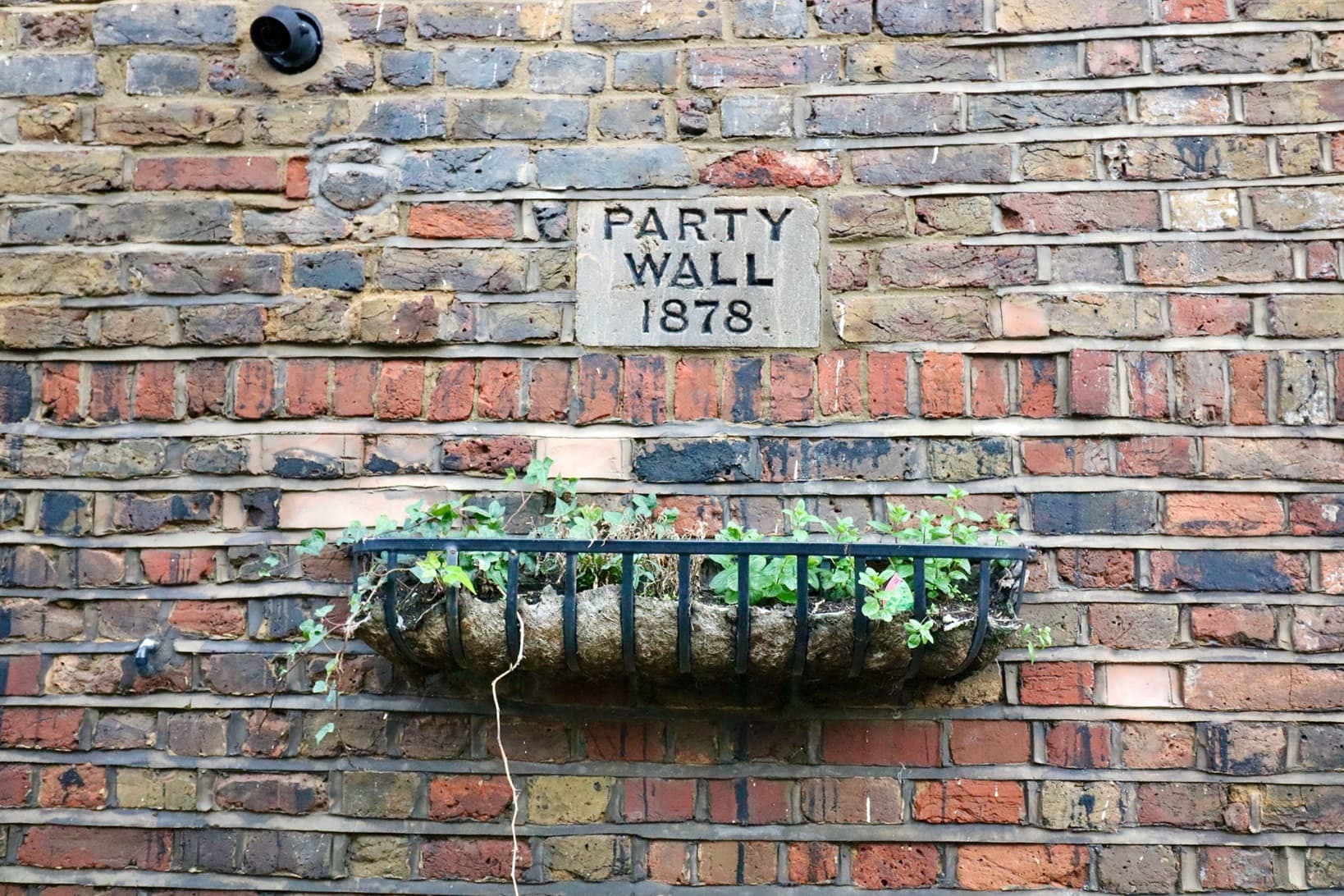
A Party Wall Surveyor plays a critical role in managing building works that affect shared walls, neighbouring properties, and nearby foundations under the Party Wall etc. Act 1996. Whether you are planning a loft conversion, basement excavation, extension, or structural alteration, understanding the role of a Party Wall Surveyor can help you avoid disputes, delays, and costly legal problems.
The Party Wall etc. Act 1996 applies across England and Wales and creates a statutory framework for resolving matters relating to party walls, party structures, boundary walls, and certain excavations close to neighbouring buildings.
Many homeowners and developers mistakenly believe that a party wall process is simply about serving notices. In reality, the process involves legal rights, technical surveying knowledge, neighbour liaison, risk management, and dispute resolution. An experienced Party Wall Surveyor protects both the building owner carrying out the work and the adjoining owner affected by it.
What Is a Party Wall Surveyor?
A Party Wall Surveyor is a specialist surveyor appointed under the Party Wall etc. Act 1996 to administer and resolve matters arising from notifiable works.
The surveyor’s role is not to advocate for one owner in the way a solicitor acts for a client. Instead, the surveyor must act impartially when carrying out duties under the Act. Their primary purpose is to resolve disputes fairly and produce legally valid party wall awards.
A Party Wall Surveyor may act in several ways:
- As an agreed surveyor for both owners
- As the building owner’s appointed surveyor
- As the adjoining owner’s appointed surveyor
- As the third surveyor selected under the Act
The Act sets out the dispute resolution process under section 10.
What Does a Party Wall Surveyor Do?
A Party Wall Surveyor manages the procedural, technical, and legal aspects of the party wall process.
Their responsibilities often include:
Reviewing Proposed Works
The surveyor assesses whether the proposed works fall within the scope of the Party Wall etc. Act 1996.
Common examples include:
- Loft conversions involving steel beams cut into a party wall
- Rear extensions at the boundary
- Basement excavations
- Excavations within 3m or 6m of neighbouring structures
- Demolition and rebuilding of party structures
- Raising or underpinning party walls
The Act grants rights to carry out specific works to party structures under section 2.
Preparing and Serving Notices
Before certain works begin, the building owner must serve valid statutory notices on adjoining owners.
Examples include:
- Party structure notices
- Line of junction notices
- Section 6 excavation notices
The Act specifies notice requirements and timescales.
Errors in notices can invalidate the process and create delays. A Party Wall Surveyor ensures notices contain the correct information and are served properly.
Managing Responses
After receiving a notice, an adjoining owner may:
- Consent to the works
- Dissent and appoint a surveyor
- Do nothing, leading to deemed dissent
If an adjoining owner fails to respond within 14 days in many circumstances, a dispute is deemed to arise under the Act.
A Party Wall Surveyor manages this process and advises on the next steps.
Preparing a Schedule of Condition
One of the most important functions of a Party Wall Surveyor is preparing a schedule of condition.
This document records the condition of the adjoining property before work starts. It usually includes:
- Written descriptions
- High-resolution photographs
- Crack mapping
- Notes on existing defects
The schedule provides critical evidence if damage claims arise later.
Assessing Construction Risk
A competent Party Wall Surveyor reviews the proposed construction methods and assesses risk to neighbouring property.
This can involve reviewing:
- Structural drawings
- Engineering proposals
- Excavation details
- Temporary works
- Basement methodologies
For larger developments, surveyors often work closely with structural engineers, architects, and contractors.
Drafting the Party Wall Award
The Party Wall Award is the formal legal document that governs the works.
It typically includes:
- Details of the proposed works
- Drawings and supporting information
- Access arrangements
- Working hours
- Protection measures
- Security for expenses provisions
- Procedures for dealing with damage
- Surveyor costs
Under section 10, surveyors determine matters in dispute through an award.
The award becomes legally binding once served.
Resolving Damage Claims
If damage occurs during construction, the surveyors determine responsibility and appropriate remedial action.
Section 7 of the Act requires the building owner to compensate adjoining owners for loss or damage resulting from the works.
Surveyors often inspect alleged damage, review evidence, and agree repair specifications or compensation.
When Do You Need a Party Wall Surveyor?
You may need a Party Wall Surveyor whenever works fall within the scope of the Party Wall etc. Act 1996.
Typical projects include:
Loft Conversions
Loft conversions commonly involve:
- Cutting steel beams into party walls
- Raising party walls
- Chimney breast alterations
These works frequently require party structure notices.
Rear Extensions
Extensions close to the boundary can trigger the Act where excavations extend deeper than neighbouring foundations within 3 metres.
Basement Excavations
Basements are among the highest-risk projects under the Act.
They often involve:
- Deep excavations
- Underpinning
- Retaining structures
- Significant vibration risks
Experienced Party Wall Surveyors are essential on basement schemes.
Commercial Developments
Large commercial projects regularly involve complex party wall issues involving:
- Multiple adjoining owners
- Oversailing cranes
- Retained facades
- Rights of access
- Temporary protection works
Boundary Wall Construction
Building astride or adjacent to the line of junction can trigger notice requirements under section 1 of the Act.
What Is an Agreed Surveyor?
An agreed surveyor is a single surveyor jointly appointed by both owners.
The Act allows both parties to concur in appointing one surveyor.
Using an agreed surveyor often:
- Reduces costs
- Speeds up the process
- Simplifies communication
However, agreed surveyor appointments work best where:
- The works are relatively straightforward
- Relations between neighbours remain cooperative
- Risks are moderate
For complex projects, adjoining owners often prefer separate surveyors.
What Is the Difference Between a Building Owner’s Surveyor and an Adjoining Owner’s Surveyor?
The terminology can confuse property owners.
Building Owner’s Surveyor
The building owner’s surveyor is appointed by the owner carrying out the works.
They usually:
- Prepare notices
- Review proposals
- Draft awards
- Coordinate the process
Adjoining Owner’s Surveyor
The adjoining owner appoints their own surveyor to review and protect their interests.
Despite the terminology, both surveyors must act impartially under the Act once appointed.
They do not operate like opposing solicitors.
What Is a Third Surveyor?
Where two surveyors are appointed, they must select a third surveyor.
The third surveyor acts as a safeguard if disputes arise between the appointed surveyors.
They may:
- Determine unresolved matters
- Decide disputed fees
- Make additional awards
Third surveyors are particularly important on contentious or technically complex projects.
How Long Does the Party Wall Process Take?
The timescale depends on the type of notice and whether adjoining owners consent.
Typical statutory notice periods include:
- One month for line of junction and excavation notices
- Two months for party structure notices
The Act specifies these notice periods clearly.
In practice, the full process often takes:
- 2 to 6 weeks for straightforward domestic matters
- Several months for complex projects
Delays commonly arise from:
- Incomplete drawings
- Poor communication
- Late appointments
- Access issues
- Neighbour concerns
Early engagement with a Party Wall Surveyor helps avoid delays.
What Happens If You Ignore the Party Wall Act?
Ignoring the Act creates significant legal and financial risk.
Potential consequences include:
- Injunctions stopping works
- Delays to construction
- Claims for damage
- Increased legal costs
- Difficulty defending allegations
- Problems with property sales
Courts generally expect owners to comply with the statutory process where the Act applies.
A Party Wall Surveyor helps ensure compliance and reduces risk exposure.
Can You Do Party Wall Matters Without a Surveyor?
Technically, adjoining owners can consent to works without appointing surveyors.
However, this approach can create problems if:
- Damage occurs later
- Scope changes during construction
- Neighbour relationships deteriorate
- Technical risks were underestimated
Even where consent is given, many owners still instruct a Party Wall Surveyor to prepare a schedule of condition for protection.
How Much Does a Party Wall Surveyor Cost?
Costs vary depending on:
- Project complexity
- Number of adjoining owners
- Risk level
- Surveyor experience
- Location
- Time involved
Simple domestic matters may involve relatively modest fees, while complex basement or commercial schemes can involve substantial professional costs.
Under section 11, the building owner usually pays the reasonable surveyors’ fees.
The surveyors determine responsibility for costs within the award.
What Is Security for Expenses?
Security for expenses allows an adjoining owner to request financial protection before works begin.
Section 12 allows adjoining owners to require security from the building owner in certain circumstances.
This provision is common on:
- Basement projects
- High-risk developments
- Projects involving financially unstable developers
- Schemes where neighbouring structures face significant risk
A Party Wall Surveyor determines appropriate security arrangements where disputes arise.
Rights of Access Under the Act
The Act grants rights of entry in certain circumstances.
Section 8 allows building owners and surveyors to enter adjoining land during usual working hours where necessary for works authorised by the Act.
This can include access for:
- Scaffolding
- Temporary works
- Protective hoardings
- Inspections
Notice requirements still apply before entry.
Qualities to Look for in a Party Wall Surveyor
Choosing the right Party Wall Surveyor matters.
Key qualities include:
Experience
Look for surveyors with substantial experience handling:
- Domestic projects
- Basement developments
- Complex urban schemes
- Dispute resolution
Technical Knowledge
A good Party Wall Surveyor understands:
- Structural engineering principles
- Construction sequencing
- Risk management
- Building pathology
Communication Skills
Party wall matters often involve stressed neighbours and tight programmes.
Clear communication reduces conflict and keeps projects moving.
Impartiality
Surveyors must remain impartial once appointed under the Act.
Professional integrity is essential.
Local Knowledge
Surveyors familiar with local construction styles, authority requirements, and urban constraints often provide better practical advice.
Why Early Appointment Matters
Many owners wait too long before involving a Party Wall Surveyor.
Late appointments often create:
- Programme delays
- Invalid notices
- Contractor mobilisation problems
- Neighbour disputes
- Increased costs
Early engagement allows:
- Better planning
- Risk assessment
- Proper notice sequencing
- Technical coordination
For developers, early party wall strategy can become critical to programme management.
Party Wall Surveyor Services for Developers
Professional developers often require much more than simple notice administration.
A specialist Party Wall Surveyor may assist with:
- Multi-owner strategies
- Access agreements
- Crane oversailing licences
- Scaffold licences
- Monitoring regimes
- Protective works schedules
- Complex awards
- Neighbour engagement strategies
On dense urban developments, party wall matters can directly affect viability and programme certainty.
The Importance of Proper Documentation
Party wall disputes often turn on evidence.
Good documentation includes:
- Valid notices
- Accurate drawings
- Detailed schedules of condition
- Inspection records
- Correspondence logs
- Photographic evidence
A professional Party Wall Surveyor ensures proper records exist if disputes arise later.
Conclusion
A Party Wall Surveyor plays a vital role in protecting neighbouring property, managing legal compliance, and reducing construction risk under the Party Wall etc. Act 1996.
Whether you are planning a loft conversion, basement excavation, extension, or large commercial development, early involvement from an experienced Party Wall Surveyor can prevent delays, reduce disputes, and help projects proceed smoothly.
The best outcomes usually arise where surveyors engage early, communicate clearly, and manage risks proactively. For property owners, developers, architects, and contractors, appointing the right Party Wall Surveyor is often one of the most important early project decisions.
An experienced Party Wall Surveyor can help guide you through notices, awards, neighbour liaison, schedules of condition, and dispute resolution while protecting both your property interests and your project timeline.
FAQs About Party Wall Surveyor
What is a Party Wall Surveyor?
A Party Wall Surveyor is a specialist surveyor appointed under the Party Wall etc. Act 1996 to resolve disputes and administer works affecting party walls, boundary walls, and nearby excavations.
When do I need a Party Wall Surveyor?
You may need a Party Wall Surveyor if your works involve party walls, structural alterations, loft conversions, basement excavations, or excavations within 3m or 6m of neighbouring structures.
Does my neighbour have to agree to the works?
No. The Act provides a dispute resolution process where neighbours dissent or fail to respond. Surveyors then resolve matters through a Party Wall Award.
Who pays Party Wall Surveyor fees?
In most cases, the building owner carrying out the works pays the reasonable surveyors’ fees under the Act.
Can one surveyor act for both neighbours?
Yes. Both owners can jointly appoint an agreed surveyor where appropriate.
What happens if my neighbour ignores the notice?
If an adjoining owner does not respond within the statutory period, a deemed dispute arises under the Act.
Can a Party Wall Surveyor stop the works?
Surveyors cannot generally prohibit lawful works outright, but they can regulate how and when works proceed through the award process.
What is a Party Wall Award?
A Party Wall Award is the legally binding document prepared by surveyors setting out the rights, obligations, and protections relating to the works.
How long is a party wall notice valid for?
Most notices cease to have effect if work does not begin within 12 months.
Is a Party Wall Surveyor legally required?
Surveyors become necessary once a dispute arises under the Act. In many projects, appointing a Party Wall Surveyor is the safest and most practical way to ensure compliance and reduce risk.
Contact
Need help or advice with a Party Wall matter? Contact Anstey Horne’s experienced surveyors for expert guidance and peace of mind on your next construction project.
For advice direct from one of our Surveyors, please call our Enquiry line on 020 4534 3135.
If you would rather we called you instead, please fill in our Contact form and we will be in touch.
For a quick online quote for Party Wall advice, send us the details of your project.
For more articles on all aspects of the Party Wall Act see our blog.
For advice direct from one of our Surveyors, please call our Enquiry line on 020 4534 3135.
If you are planning work that is covered by the Act, or if you have received notice of work from a neighbour and want advice on how best to protect your property please contact:

Geoffrey Adams
BEng (Hons) PgDip FRICS
Senior Director
Party Walls
London

Rickie Bloom
BSc (Hons) MRICS
Senior Director
Party Walls
London

Holly Harris
MRICS, FPTS
Director, Party Wall
Party Wall
London

Henry Woodley
BSc (Hons) MRICS MCIArb FPTS
Director
Party Walls
London