Loading cards...
News & Insights
Anstey Horne has been providing specialist property advice for more than 230 years, making us one of the UK’s most established and experienced firms of specialist chartered surveyors.
Our News and Insights section brings together the knowledge and experience of our specialist teams, providing clients, property professionals, developers, investors, landlords, occupiers and advisers with informed commentary on the issues that affect property and development across the UK.
Our articles cover a broad range of specialist disciplines, including Rights to Light, Daylight and Sunlight, Party Wall matters, Building Consultancy, Dilapidations, Fire Consultancy, Cladding Remediation, Building Safety, Project Management, Cost Consultancy and other complex property issues.
Few firms can match the depth of specialist knowledge that Anstey Horne has developed over more than two centuries. Since our origins in 1795, we have built a reputation for providing clear, independent and technically rigorous advice on some of the most complex issues affecting property, construction and development.
Today, our teams combine that long-established experience with modern surveying techniques, specialist technical analysis and an in-depth understanding of current legislation, professional standards and industry practice.
FILTER
Cladding Case Law – Almacantar: Court of Appeal Judgement
The Court of Appeal has dismissed Almacantar’s appeal over the recovery of façade replacement costs at Centre Point House. Its judgment confirms that the Building Safety Act 2022 can protect qualifying leaseholders from cladding remediation charges even where the defects date from before June 1992 and the danger involves falling façade components rather than fire.
In Almacantar Centre Point Nominee No.1 Limited and another v Penelope Claire de Valk and others [2026] EWCA Civ 1466, the Court unanimously upheld the decisions of the First-tier Tribunal and Upper Tribunal. The proposed works are expected to cost more than £12 million, including VAT and professional fees.
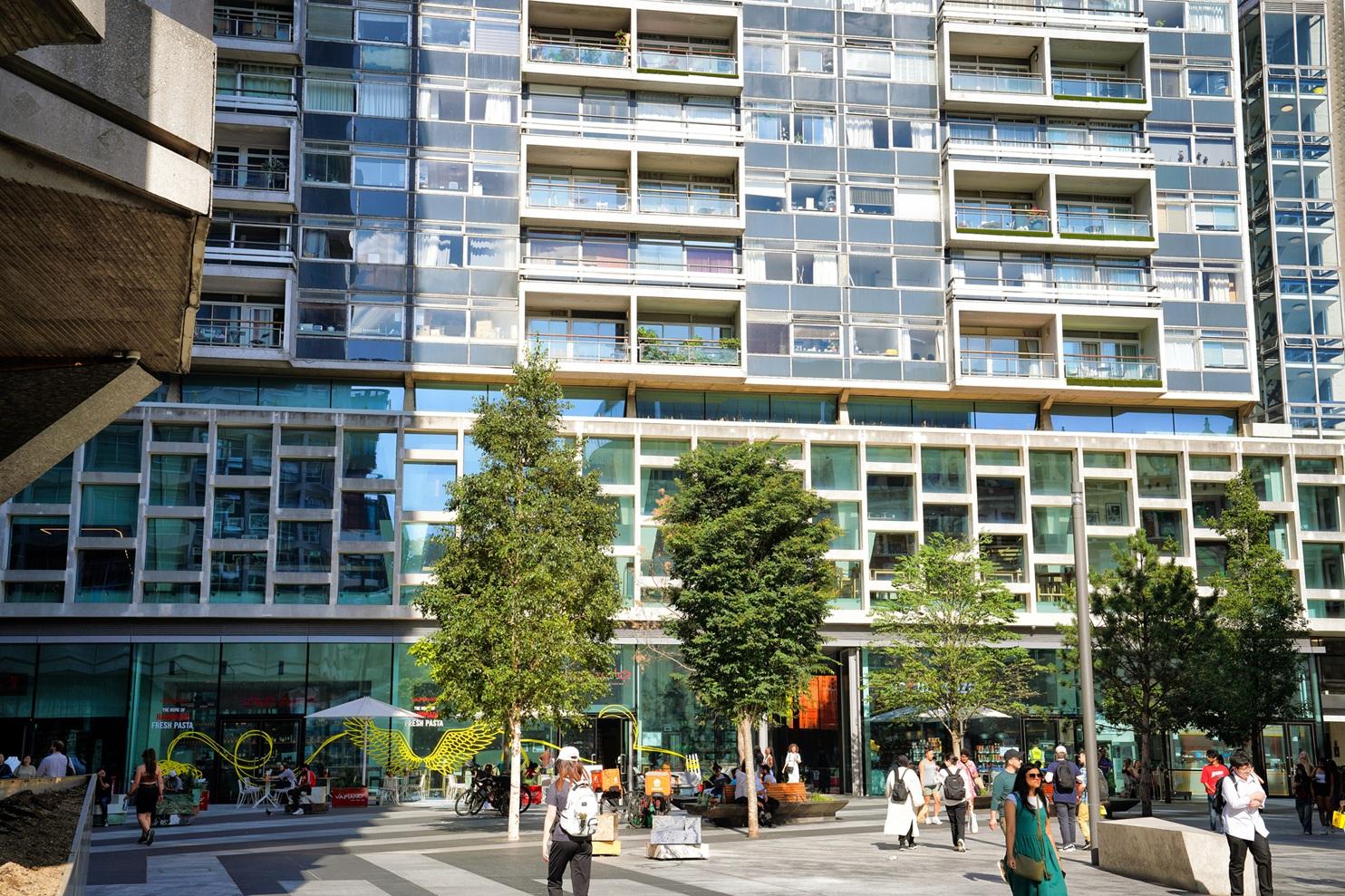
Neighbour’s Extension Blocking Your Light? What to Do Next
If you’re concerned about a neighbour’s extension blocking light, start by getting the plans, recording the affected windows and checking the stage the project has reached. You may have options through the planning process, private rights to light, or both. Planning permission does not automatically settle a private right to light. Equally, a room becoming darker does not automatically give you grounds to stop construction. The next step is to establish whether your windows benefit from a right and whether the proposed extension would unlawfully interfere with it. This guide focuses on England and Wales.

Fire Risk Assessment Costs: What You Pay For and How to Compare Quotes
Fire risk assessment costs depend on the work your building needs, the expertise it requires and the evidence available to support the assessment. Floor area matters, but it cannot explain the whole fee. A small converted building with sleeping accommodation, incomplete records and uncertain compartmentation can require more investigation than a larger, straightforward office.
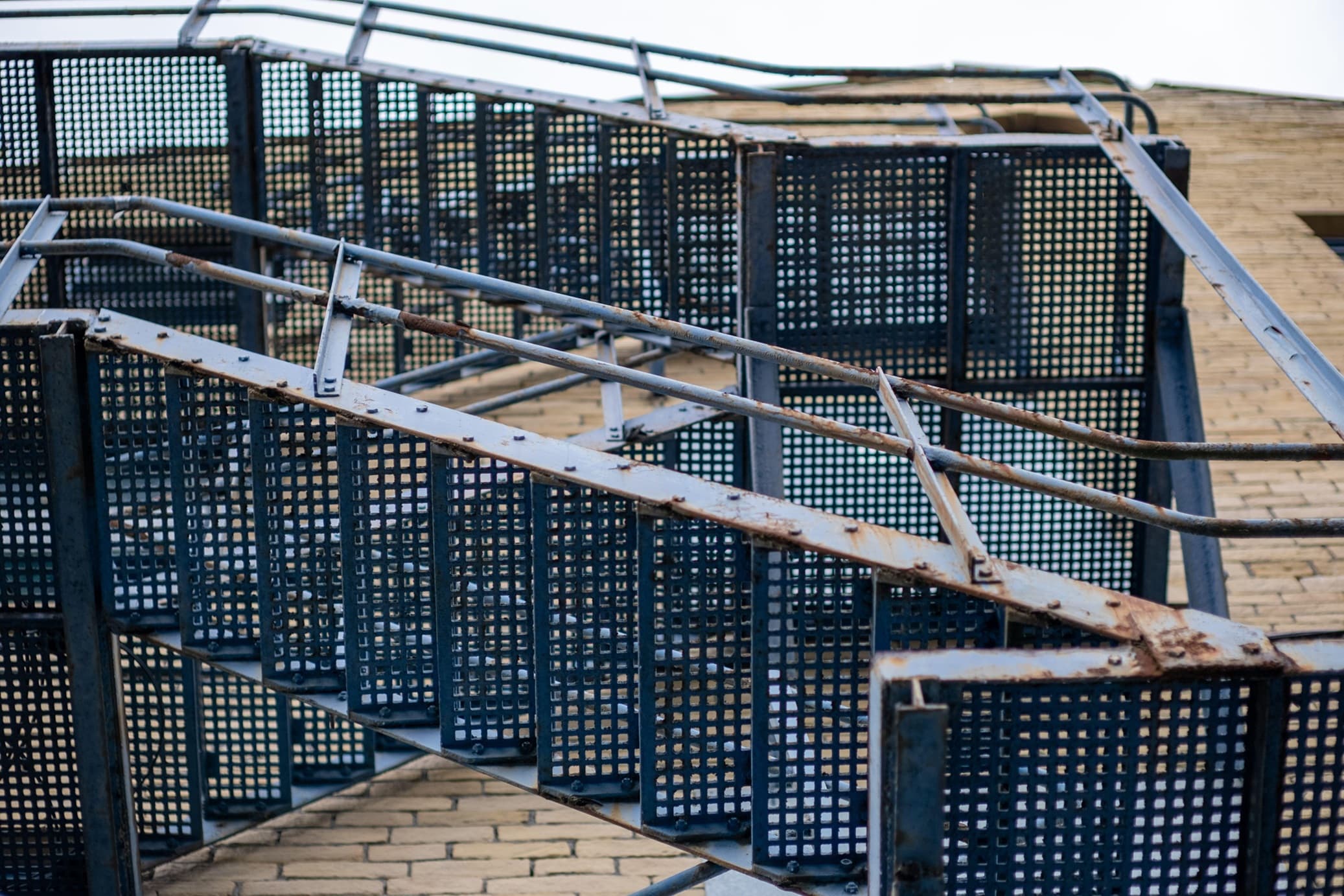
PAS9980 2026 – What has changed
PAS9980 2026 What has changed? This is an important question for building owners, managing agents and anyone commissioning a fire risk appraisal of external walls. The revised PAS introduces clearer screening guidance, four distinct risk outcomes and more detailed reporting recommendations. It also explains how assessors should investigate uncertainty and communicate their conclusions.

Landmark Boundary Dispute Case Law: Key Judgments and Practical Lessons
Landmark Boundary Dispute Case Law explains how courts resolve disagreements over property boundaries, interpret informal agreements and assess competing claims to land. These judgments show why resolving a dispute often requires much more than comparing a fence with the red line on a Land Registry title plan.
For homeowners, developers and professional advisers, understanding the relevant authorities can help identify the strongest evidence, assess the risks of proposed works and recognise opportunities to reach an agreement.

Rights of Light Insurance : How It Works & When You Need It
Rights of light insurance can help protect a development against the financial consequences of claims from neighbouring property owners. When a proposed building or extension interferes with an established right to light, the resulting dispute can affect construction costs, funding, programme and development value.
However, buying insurance does not remove a neighbour’s legal rights. Nor does it guarantee that construction can continue without interruption. An effective strategy combines technical assessment, legal advice, careful design and an insurance policy that reflects the project’s actual exposure.

Regulation 38 vs Golden Thread: What’s the Difference?
The introduction of the Building Safety Act 2022 and the wider reform of the building safety regime has changed how the construction and property industries approach building information.

New Cladding Funding under 11m
The government has announced a major expansion of support with new cladding funding for unsafe residential buildings under 11m.

Building Safety Levy 2026: What Developers Need to Know Before 1st October
The introduction of the Building Safety Levy 2026 marks one of the most significant regulatory changes affecting residential development in England since the Building Safety Act.

Party Wall Agreement: A Complete Guide for Property Owners
A Party Wall agreement records how building work covered by the Party Wall etc. Act 1996 can proceed.
Your neighbour may consent in writing to a valid notice without surveyors becoming involved.
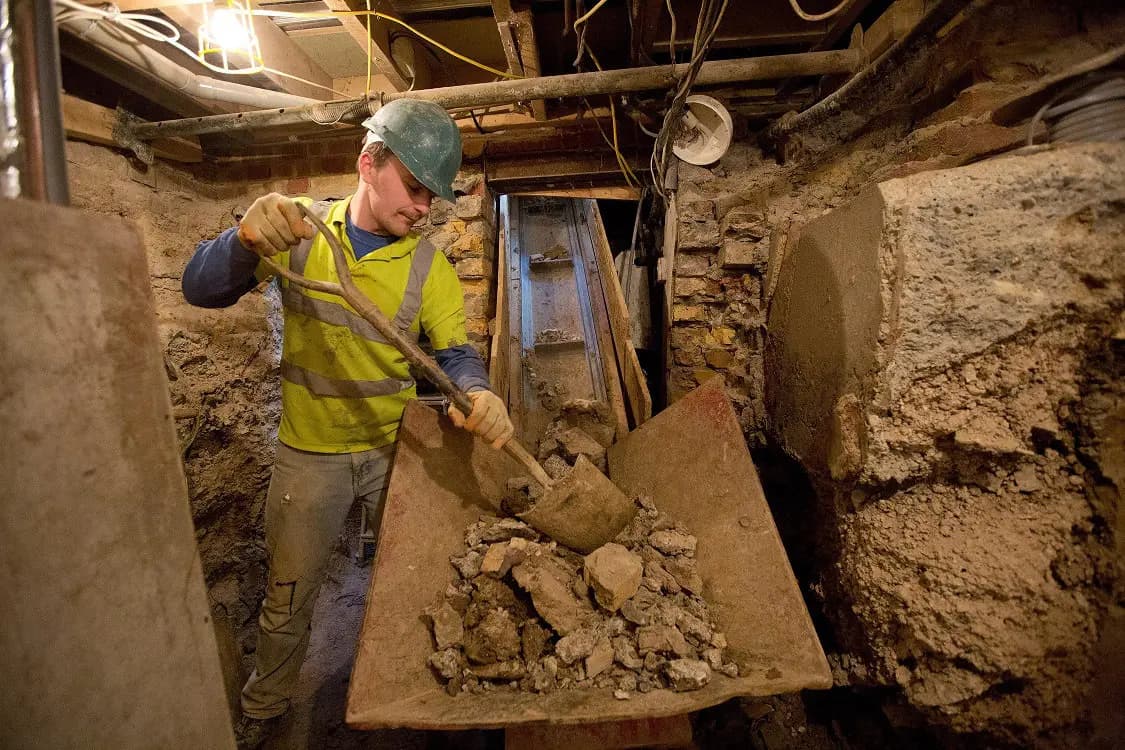
Awaab’s Law Phase 2 Update 2026
The Awaab’s Law Phase 2 Update, which comes into force in October 2026, significantly expands the scope of the legislation by bringing additional serious housing hazards within legally enforceable repair timescales. For social landlords, this marks the second major stage of the Government’s phased implementation of Awaab’s Law.
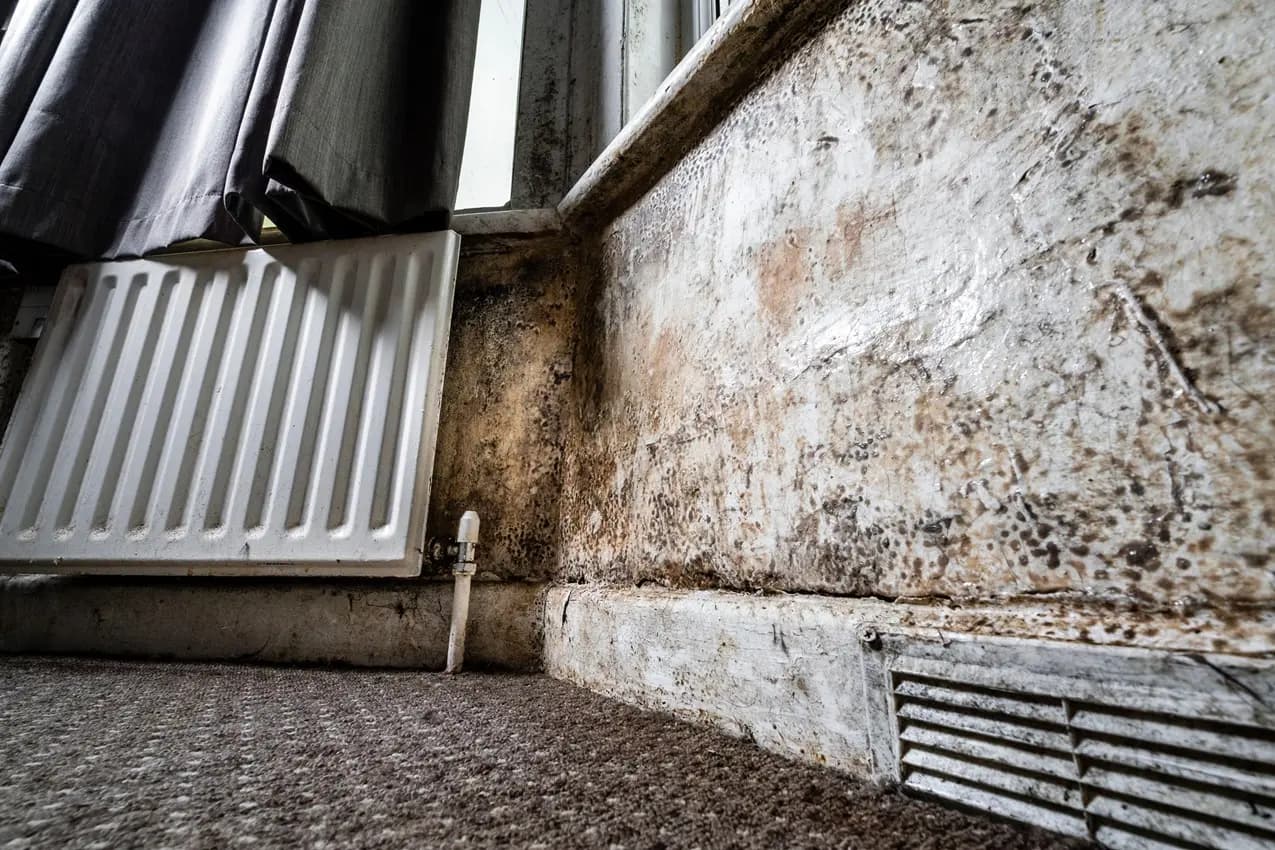
Serving a Party Wall Notice: A Complete Guide
If you’re planning construction work that affects a shared wall or structure with your neighbour, serving a Party Wall Notice is not only a legal requirement in many cases, but also a crucial step in avoiding costly disputes.
