Can a Planning Permission Be Challenged Over Daylight?
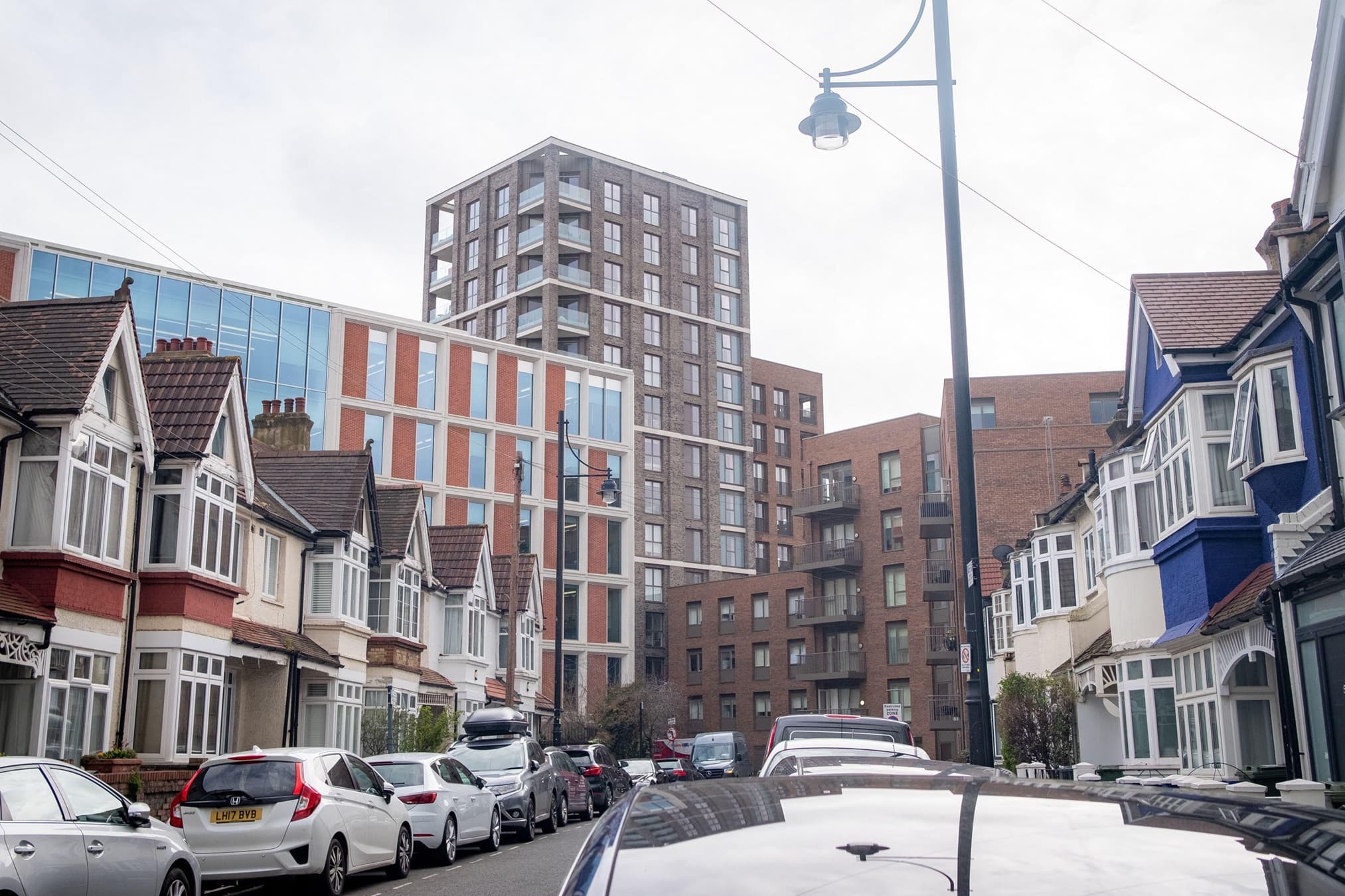
Understanding the Planning Challenge Daylight Process : Daylight and sunlight are among the most common issues raised by neighbours during the planning process. Residents often object to proposed developments because they fear a new building will block natural light to their homes, gardens, or workplaces. However, many people are surprised to discover that even after planning permission has been granted, there may still be circumstances where a decision can be challenged.
The question is often framed as: can a planning permission be challenged over daylight?
The short answer is yes, but only in limited circumstances. A successful planning challenge daylight case usually focuses on whether the planning authority followed the correct legal process when making its decision, rather than simply arguing that the development will reduce daylight.
Understanding how the planning system treats daylight and sunlight, what grounds exist for challenging a planning permission, and what legal routes are available can help affected neighbours, developers, architects, and planning consultants navigate what can be a complex area of planning law.
This article explains the relationship between daylight assessments, planning decisions, judicial review, and rights to light claims. It also examines when a planning challenge daylight argument may succeed and when it is unlikely to alter the outcome.
Why Daylight and Sunlight Matter in Planning
Local planning authorities must consider the impact of new developments on neighbouring properties.
One of the most important aspects of residential amenity is access to daylight and sunlight. Excessive loss of natural light can affect:
- Living rooms
- Bedrooms
- Kitchens
- Home offices
- Private gardens
- Communal amenity spaces
A poorly designed development may create unacceptable impacts on neighbouring occupiers, particularly in dense urban environments.
For this reason, many planning applications include specialist daylight and sunlight assessments prepared by qualified consultants. These reports help planning officers understand whether a proposal would cause material harm to surrounding properties.
The Role of BRE Guidance
Most daylight and sunlight assessments in England and Wales rely on the guidance contained in BRE 209, Site Layout Planning for Daylight and Sunlight: A Guide to Good Practice.
The current edition was published in 2022 and remains the primary technical reference used by planning authorities.
The guidance contains a range of assessment methods, including:
Vertical Sky Component (VSC)
The VSC test measures the amount of visible sky available at the centre of a window.
A reduction in VSC may indicate a loss of daylight resulting from a proposed development.
No Sky Line (NSL)
The NSL assessment examines daylight distribution within a room.
It helps determine whether a room will continue to receive reasonable daylight across its floor area.
Annual Probable Sunlight Hours (APSH)
APSH measures the amount of direct sunlight reaching windows throughout the year.
The test is commonly used for living rooms and other sunlight-sensitive spaces.
Overshadowing Assessments
Overshadowing studies evaluate the impact of development on gardens, open spaces, and amenity areas.
Planning officers frequently rely on these assessments when determining whether a proposal is acceptable.
Does Failure Against BRE Guidance Mean Permission Can Be Challenged?
One of the biggest misconceptions in the industry is that failure to meet BRE recommendations automatically means planning permission should be refused.
This is not correct.
BRE guidance is guidance, not law.
Planning authorities can approve developments that fail BRE targets if they conclude that wider planning benefits outweigh the impacts.
Examples may include:
- Regeneration projects
- Urban intensification schemes
- Brownfield redevelopment
- Affordable housing delivery
- Town centre developments
- Strategic infrastructure projects
Inspectors and planning committees often accept some degree of daylight reduction where the overall planning balance supports approval.
As a result, a planning challenge daylight claim cannot succeed merely because BRE targets have not been achieved.
The challenge must focus on how the decision was made rather than whether someone disagrees with the outcome.
When Can a Planning Permission Be Challenged?
Planning permissions are generally challenged through judicial review.
Judicial review is a legal process that allows the courts to examine whether a public authority acted lawfully.
The court does not reconsider the planning merits of a scheme.
Instead, it asks whether the authority:
- Followed proper procedures
- Considered relevant information
- Ignored irrelevant considerations
- Applied the law correctly
- Reached a rational decision
In a planning challenge daylight case, the claimant must identify a legal error in the decision-making process.
Common Grounds for a Planning Challenge Daylight Case
Failure to Consider Daylight Impacts
A planning authority must consider material planning considerations.
Daylight and sunlight impacts are generally recognised as material considerations.
If a planning authority completely failed to assess daylight effects, a challenge may arise.
However, such cases are relatively uncommon because most authorities routinely consider these impacts during the application process.
Reliance on Incorrect Information
Challenges sometimes arise where planning decisions rely upon inaccurate technical evidence.
For example:
- Incorrect building dimensions
- Inaccurate survey information
- Misidentified neighbouring properties
- Calculation errors
- Faulty modelling assumptions
A claimant may argue that the authority relied on materially flawed evidence when granting permission.
The courts will normally examine whether the error was significant enough to affect the decision.
Minor technical discrepancies rarely justify overturning a permission.
Failure to Provide Adequate Reasons
Decision-makers must explain why they reached their conclusions.
Where daylight impacts are substantial, decision notices and committee reports should demonstrate that those impacts were considered.
A planning challenge daylight claim may arise if there is insufficient explanation for approving a scheme despite significant adverse impacts.
Procedural Unfairness
Planning authorities must follow statutory consultation and procedural requirements.
Potential issues include:
- Failure to notify affected neighbours
- Failure to consult properly
- Failure to consider submitted objections
- Procedural irregularities during committee meetings
Where procedural defects materially affect the outcome, a judicial review challenge may succeed.
Irrational Decision-Making
Courts can intervene if a decision is considered legally irrational.
The threshold is extremely high.
A claimant must show that no reasonable planning authority could have reached the same conclusion.
Simply disagreeing with the decision is not enough.
Judicial Review and Daylight Challenges
Judicial review is the primary route for challenging planning permissions after approval.
The process is subject to strict deadlines.
In most cases, judicial review proceedings must be commenced promptly and within six weeks of the planning decision.
This time limit is strictly enforced.
Anyone considering a planning challenge daylight claim should seek specialist legal advice immediately.
Waiting several months is likely to remove the opportunity to challenge the permission.
What Evidence Is Needed?
Successful daylight-related planning challenges typically require strong technical evidence.
This may include:
- Independent daylight assessments
- Expert planning evidence
- Review of BRE calculations
- 3D modelling analysis
- Committee report analysis
- Planning policy review
Specialist surveyors often play a key role in examining whether technical reports were accurate and whether planning officers properly understood the daylight implications.
The Difference Between Planning and Rights to Light
Many people confuse planning objections with rights to light claims.
They are entirely separate legal regimes.
Planning System
The planning system considers public interest issues.
These include:
- Design
- Housing delivery
- Heritage
- Transport
- Environmental impacts
- Daylight and sunlight amenity
Planning permission does not remove private legal rights.
Rights to Light
Rights to light are private property rights.
A neighbour may have a legal right to sufficient natural light entering a building through a particular window.
Even where planning permission has been granted, a rights to light claim may still arise.
This distinction is critically important.
Many developments receive planning permission but subsequently require rights to light negotiations.
Can Rights to Light Stop a Development?
Potentially yes.
A rights to light claim may result in:
- Design changes
- Financial compensation
- Settlement agreements
- Injunction applications
The existence of planning permission does not provide a defence to a rights to light claim.
Developers therefore need to consider both planning and private legal risks.
Examples of Daylight-Related Planning Challenges
Several planning permissions have faced legal scrutiny because of daylight issues.
These cases often involve arguments that:
- Technical assessments were flawed
- Decision-makers misunderstood evidence
- Planning officers failed to assess impacts properly
- Important information was omitted
The outcome depends heavily on the facts of each case.
The courts generally show considerable deference to planning authorities where they have followed proper procedures and exercised planning judgment reasonably.
Why Most Planning Challenge Daylight Cases Fail
Many challenges fail because claimants focus on the planning outcome rather than the legal process.
The courts repeatedly emphasise that judicial review is not an appeal on planning merits.
Common reasons for failure include:
- Disagreement with officer conclusions
- General dissatisfaction with development scale
- Objections to building height
- Concerns over loss of views
- Arguments based solely on BRE failures
Unless a legal error can be demonstrated, the court is unlikely to intervene.
How Planning Authorities Balance Daylight Against Other Benefits
Planning decisions often involve balancing competing considerations.
A proposal may cause some daylight loss while delivering significant public benefits.
Examples include:
- New homes
- Affordable housing
- Economic growth
- Urban regeneration
- Public realm improvements
- Sustainable development objectives
Planning officers frequently weigh these factors against daylight impacts.
The planning balance forms a central part of decision-making.
A court will rarely interfere with this balancing exercise unless a legal error occurred.
What Should Neighbours Do Before Permission Is Granted?
The best opportunity to influence a proposal usually occurs during the application process.
Affected neighbours should:
- Review submitted plans carefully.
- Examine daylight and sunlight reports.
- Submit detailed objections.
- Commission independent expert advice where necessary.
- Attend planning committee meetings where appropriate.
- Engage with developers early.
Early involvement often proves more effective than attempting a judicial review after permission has been granted.
What Should Developers Do?
Developers can significantly reduce challenge risks by:
- Undertaking robust daylight assessments.
- Following BRE guidance carefully.
- Engaging with neighbours early.
- Addressing identified impacts.
- Providing transparent technical evidence.
- Maintaining clear audit trails.
High-quality technical reporting often strengthens the authority's ability to defend any subsequent planning challenge daylight claim.
The Importance of Expert Daylight Evidence
Daylight and sunlight assessments increasingly play a central role in planning applications.
A robust assessment can:
- Support planning approval
- Address neighbour concerns
- Reduce legal risks
- Demonstrate policy compliance
- Assist committee decision-making
Conversely, poor-quality assessments can expose developments to challenge and delay.
Experienced daylight and sunlight consultants can provide technical evidence that withstands scrutiny throughout the planning process.
Conclusion
A planning challenge daylight case is possible, but success depends on identifying legal flaws in the planning process rather than simply proving daylight loss.
The courts do not decide whether a development is attractive, desirable, or fair. Instead, they examine whether the planning authority acted lawfully, considered relevant information, and followed the correct procedures.
Failure to meet BRE daylight targets alone will rarely justify overturning a planning permission. However, decisions based on flawed evidence, procedural errors, or failures to consider material daylight impacts may be vulnerable to challenge.
For neighbours, the most effective strategy is often to engage early in the planning process and obtain specialist advice before permission is granted. For developers, robust technical assessments and transparent decision-making remain the best defence against a future planning challenge daylight claim.
If you are concerned about the daylight impacts of a proposed development or need specialist advice on a planning challenge daylight issue, obtaining expert daylight and sunlight analysis at an early stage can help identify risks and support informed decision-making.
Frequently Asked Questions
What is a planning challenge daylight claim?
A planning challenge daylight claim generally refers to a legal challenge against a planning permission where concerns exist about the impact of a development on daylight and sunlight received by neighbouring properties.
Can I challenge planning permission because my home will lose daylight?
Potentially, but you must usually demonstrate a legal flaw in the planning decision-making process rather than simply showing daylight loss.
Does failure against BRE guidance mean planning permission is unlawful?
No. BRE guidance is not legally binding. Planning authorities can approve developments that fail BRE targets if they consider the overall planning balance supports approval.
How long do I have to challenge planning permission?
Judicial review claims relating to planning permissions generally must be brought promptly and within six weeks of the decision.
Can planning permission override rights to light?
No. Planning permission and rights to light operate independently. A development may have planning permission but still face rights to light claims.
What evidence helps support a planning challenge daylight case?
Independent daylight assessments, planning reviews, expert witness evidence, technical modelling, and analysis of planning committee reports may all assist.
Are daylight assessments mandatory for every planning application?
No. However, they are commonly required where a development could significantly affect neighbouring properties.
Who prepares daylight and sunlight assessments?
Specialist daylight and sunlight consultants typically prepare these reports using BRE guidance and recognised assessment methodologies.
Can a judicial review stop construction?
Potentially. If a planning permission is quashed by the court, the authority may need to reconsider the application.
How can developers reduce the risk of challenge?
Developers should commission robust daylight assessments, engage with stakeholders early, and provide clear evidence demonstrating how impacts have been assessed and addressed.
Need Expert Advice?
At Anstey Horne, our specialists surveyors provide independent Daylight & Sunlight Assessment studies that meet BRE 209 (2022) standards and support planning success. If you are preparing a planning application or facing objections, our team can help you navigate the technical and planning complexities with confidence.
For more advice on how we can help support a planning application with daylight & sunlight advice please give us a call. If you would rather we contacted you please fill in our Contact Form and we will be in touch.
For more information on understanding all aspects of our Daylight & Sunlight Glossary see the collection of articles on our blog page.
For further advice on BRE 209 Daylight & Sunlight for planning, please call our Daylight & Sunlight Enquiry Line on 020 4534 3138.
If you’d like us to call you, please fill in our Contact Us form and we will call you back.

Matthew Grant
BA (Hons) MScLL
Senior Director
Rights to Light
London

Dan Fitzpatrick
BSc (Hons)
Director
Rights to Light
Plymouth

Gracie Irvine
BSc (Hons)
Director
Rights to Light
London

William Whitehouse
Director
Rights to Light
London