GIA Surveyors ‘Misleading Advice’
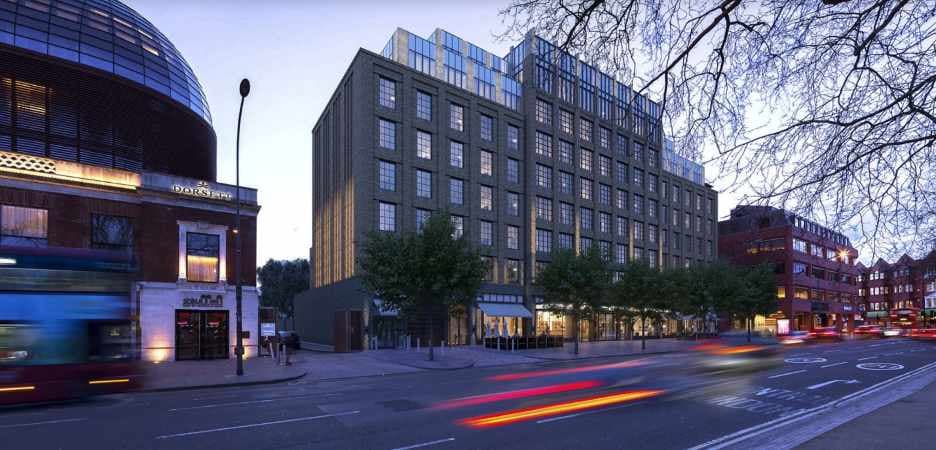
A High Court judge has overturned planning permission for the proposed Hoxton Hotel on Shepherd’s Bush Green due to what was found to be misleading daylight advice provided by GIA Surveyors. Justice Justine Thornton QC ruled that councillors were “significantly misled” by a daylight and sunlight report from GIA Surveyors, which was deemed to be “flawed by misapplication of the BRE methodology.”
Daylight assessments and BRE guidance: lessons from the Guerry planning judgment
A daylight assessment should explain both the light reaching neighbouring windows and its distribution within affected rooms. Clear reporting helps planning officers and councillors understand the effects of a proposed development, the assessment’s limitations and the reasons behind its conclusions.
The Guerry planning judgment illustrates why the interpretation and presentation of technical results matter.
What happened in the Guerry case?
On 1 November 2018, the High Court decided R (Guerry) v London Borough of Hammersmith and Fulham [2018] EWHC 2899 (Admin), concerning a hotel development on Shepherd’s Bush Green.
GIA surveyors prepared the developer’s daylight report. The court found that the officer’s report, relying on that analysis, misapplied BRE methodology by treating Vertical Sky Component and No Sky Line sequentially. Councillors were significantly misled by GIA surveyors about daylight distribution impacts on neighbouring homes, and the planning permission was quashed.
The judgment concerned the 2011 edition of the BRE guidance.
What is the difference between VSC and No Sky Line?
Vertical Sky Component and No Sky Line examine different aspects of daylight. Understanding the distinction makes a technical report easier to interpret.
| Assessment | What it measures | What it helps explain |
|---|---|---|
| Vertical Sky Component (VSC) | Skylight reaching a point on a vertical surface, usually the centre of a window, expressed as a percentage of the light available on an unobstructed horizontal surface under the same standard overcast sky. | The effect of surrounding obstructions on daylight available at the window. |
| No Sky Line (NSL) | The boundary between areas of a room’s working plane that can and cannot receive direct skylight through its windows. | How far direct skylight can reach into the room and how that area changes after development. |
NSL concerns direct light from the sky; it does not measure direct sunshine.
Read our guides to Vertical Sky Component and No Sky Line analysis for further explanation.
Which BRE guidance applies to current assessments?
The 2011 guidance considered in Guerry has been superseded by BR 209: Site layout planning for daylight and sunlight — a guide to good practice, third edition, 2022.
RICS advises members to use BR 209 (2022) alongside its existing Daylighting and sunlighting professional standard and to understand the planning policy of the authority receiving the report.
When commissioning an assessment, ask the consultant to identify the guidance, assessment methods and local policies used.
Does falling below a BRE guideline automatically mean planning refusal?
No. The judgment explains that BRE numerical guidelines are advisory. A departure requires informed consideration of its implications rather than an automatic conclusion about planning acceptability.
For readers, the important questions are: what changes, who is affected, how reliable is the assessment and how are the conclusions justified?
What should developers check before submitting a daylight report?
Use these questions to structure a review with your consultant:
- Is the scope clear? Identify the neighbouring properties, windows, rooms and outdoor spaces included, with reasons for any exclusions.
- Are the assumptions visible? Explain the information available about room layouts and uses, and identify assumptions where access or drawings are unavailable.
- Can results be compared easily? Present existing and proposed values, changes and relevant benchmarks consistently.
- Are adverse results explained? Give readers a clear account of affected locations and the significance attributed to the changes.
- Does the summary reflect the detailed findings? Check that the executive summary, conclusions and supporting tables tell a consistent story.
- Can a non-specialist understand the conclusion? Explain the planning implications in plain language alongside the technical analysis.
These questions can also help scope an independent peer review before submission or during consideration of an application.
How Anstey Horne can help
Anstey Horne provides daylight and sunlight assessments, independent reviews of third-party reports and advice to support planning applications.
If you are commissioning an assessment or need help interpreting an existing report, our team can discuss the scope, findings and implications for your project.
Explore our daylight and sunlight assessment services, or contact Anstey Horne to discuss your requirements.