Loading cards...
News
News & Insights
Anstey Horne has been providing specialist property advice for more than 230 years, making us one of the UK’s most established and experienced firms of specialist chartered surveyors.
Our News and Insights section brings together the knowledge and experience of our specialist teams, providing clients, property professionals, developers, investors, landlords, occupiers and advisers with informed commentary on the issues that affect property and development across the UK.
Our articles cover a broad range of specialist disciplines, including Rights to Light, Daylight and Sunlight, Party Wall matters, Building Consultancy, Dilapidations, Fire Consultancy, Cladding Remediation, Building Safety, Project Management, Cost Consultancy and other complex property issues.
Few firms can match the depth of specialist knowledge that Anstey Horne has developed over more than two centuries. Since our origins in 1795, we have built a reputation for providing clear, independent and technically rigorous advice on some of the most complex issues affecting property, construction and development.
Today, our teams combine that long-established experience with modern surveying techniques, specialist technical analysis and an in-depth understanding of current legislation, professional standards and industry practice.
FILTER
Party Wall Basics
If you’re a property owner in the UK planning to undertake construction work on or near a shared boundary, it’s essential to be familiar with the basics of the Party Wall Act.
This legislation was enacted to regulate construction work that might impact party walls, party structures, and excavations near neighbouring properties.

Who Pays for a Party Wall Surveyor?
When undertaking building work near or on a shared boundary, one of the most common questions is: Who pays for a Party Wall Surveyor? The answer, like much in property law, depends on the specific circumstances and the nature of the work involved.

Party Wall Damage – Who Pays?
Party Wall Damage : Party wall disputes are among the most common issues that arise between neighbouring property owners, particularly during construction or renovation works. When building works affect a party wall — whether through vibration, excavation, or structural modification — damage can occur. Naturally, the central question becomes: who pays for party wall damage?

What Is the Difference Between a Party Wall and a Boundary Wall?
When it comes to property ownership in England and Wales, understanding the distinctions between different types of walls on or near property boundaries is crucial – especially for homeowners, developers, architects, and surveyors. One of the most common areas of confusion lies in distinguishing between a party wall and a boundary wall. This article explores what each term means, their legal implications under the Party Wall etc. Act 1996, and how to handle common dispute
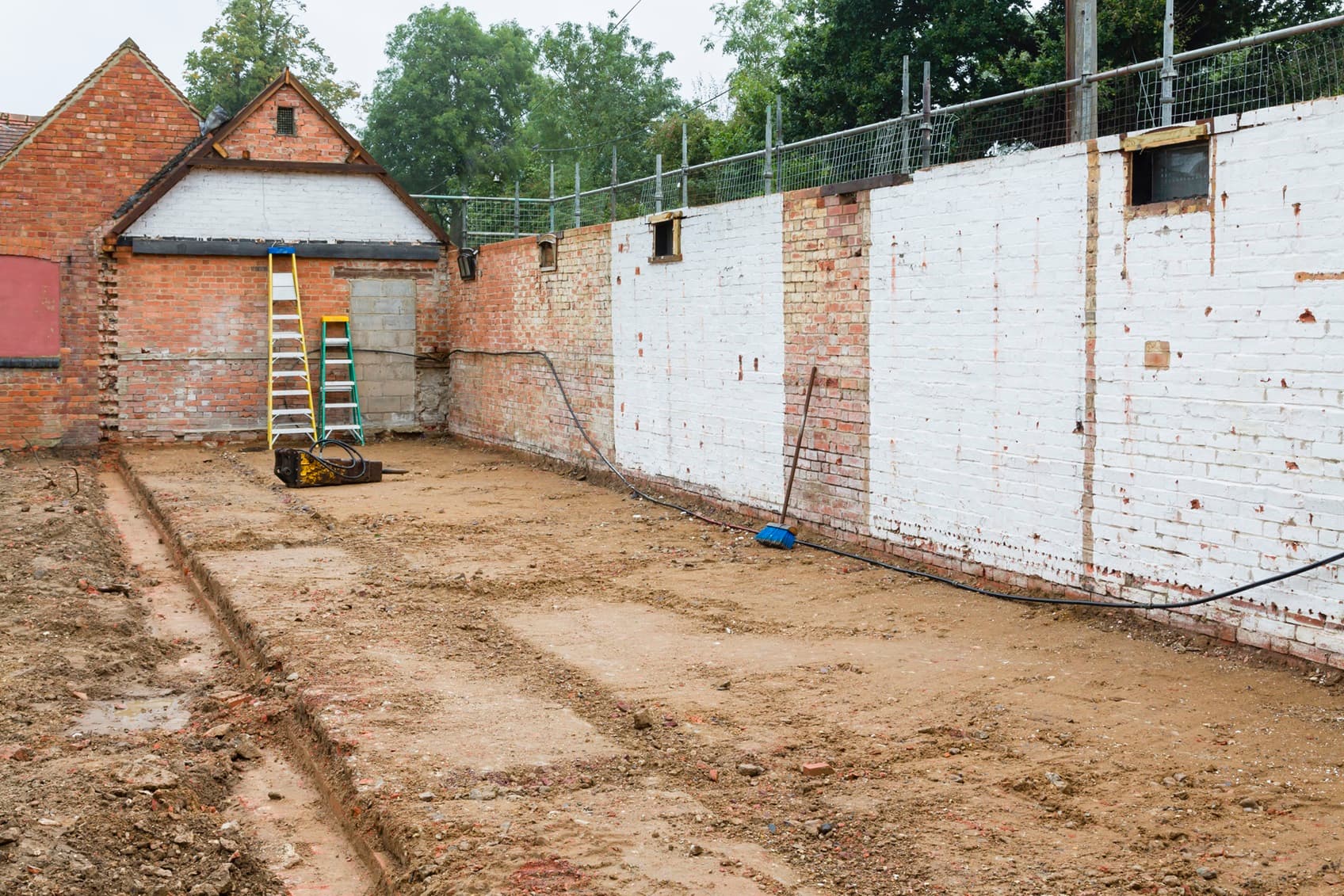
Overview of the Party Wall Act
As a Party Wall Surveyor, I am frequently asked “what is it”? Even some experienced surveyors can be forgiven for losing sight of the original intention of the legislation in the day-to-day operation of its provisions. In this article we are going back to basics to provide an overview of the base principals of the Party Wall Act etc. 1996.

Party Wall Surveyor Greenwich: Expert Guide

Party Wall Surveyor Hammersmith: Expert Guide

Understanding the Legal Definition of a Party Wall, Party Fence Wall, and Party Structure
Whether you are designing an extension, advising on a freehold purchase, or administering an award, the starting point is always the statutory language. The Party Wall etc. Act 1996 (the “Act”) sets out what a party wall, a party fence wall, and a party structure are. Getting these definitions right determines whether the Act applies, what rights a building owner may exercise, and how adjoining owners are protected.

Landmark Party Wall Case Law
If you work with the Party Wall etc. Act 1996, Landmark Party Wall Case Law isn’t a dusty list of authorities—it’s your live toolkit for running projects without delay, defending owners’ rights, and drafting bullet-proof awards. In this in-depth guide, we summarise the leading judgments already referenced across our website into practical, actionable principles.

Why Security for Expenses Matters: Protecting Adjoining Owners from Insolvency and Delayed Works
This article explores why security for expenses matters, the case law shaping its interpretation, and how solicitors and surveyors can protect adjoining owners from insolvency risks and prolonged disruption.

How to Serve a Party Wall Notice : Step-by-Step Guide
If you’re planning to carry out building work on or near a shared wall with a neighbour, you’re legally required to serve a Party Wall Notice and secure a party wall agreement.
This may sound daunting, but don’t worry — this step-by-step guide on how to serve a Party Wall Notice will walk you through the process clearly and confidently. Whether you’re a homeowner, property developer, or DIY enthusiast, understanding the party wall process helps you stay compliant with the law and maintain good relations with your neighbours.

Can a Neighbour Refuse a Party Wall Agreement?
If you’ve followed all the correct steps in the Party Wall process, can a neighbour refuse a Party Wall Agreement?
Essentially, the short answer is – No.
The party wall process starts by serving a notice on the neighbour. On receiving a notice, a neighbour can consent or dissent. They may consent but have conditions. For instance, they may want the condition of their premises recorded by a surveyor before work begins. Any conditions attached to such a consent would be the basis of a ‘party wall agreement’.