Loading cards...
News
News & Insights
Anstey Horne has been providing specialist property advice for more than 230 years, making us one of the UK’s most established and experienced firms of specialist chartered surveyors.
Our News and Insights section brings together the knowledge and experience of our specialist teams, providing clients, property professionals, developers, investors, landlords, occupiers and advisers with informed commentary on the issues that affect property and development across the UK.
Our articles cover a broad range of specialist disciplines, including Rights to Light, Daylight and Sunlight, Party Wall matters, Building Consultancy, Dilapidations, Fire Consultancy, Cladding Remediation, Building Safety, Project Management, Cost Consultancy and other complex property issues.
Few firms can match the depth of specialist knowledge that Anstey Horne has developed over more than two centuries. Since our origins in 1795, we have built a reputation for providing clear, independent and technically rigorous advice on some of the most complex issues affecting property, construction and development.
Today, our teams combine that long-established experience with modern surveying techniques, specialist technical analysis and an in-depth understanding of current legislation, professional standards and industry practice.
FILTER
Party Wall Case Law Yamin v Edwards
The party wall case law of Yamin v Edwards is a significant County Court decision on the interpretation and operation of the Party Wall etc. Act 1996 in circumstances where neighbours attempted to rely on informal understandings instead of following the statutory notice and dispute resolution procedures.
Who Can Request Security for Expenses? When Is It Reasonable?
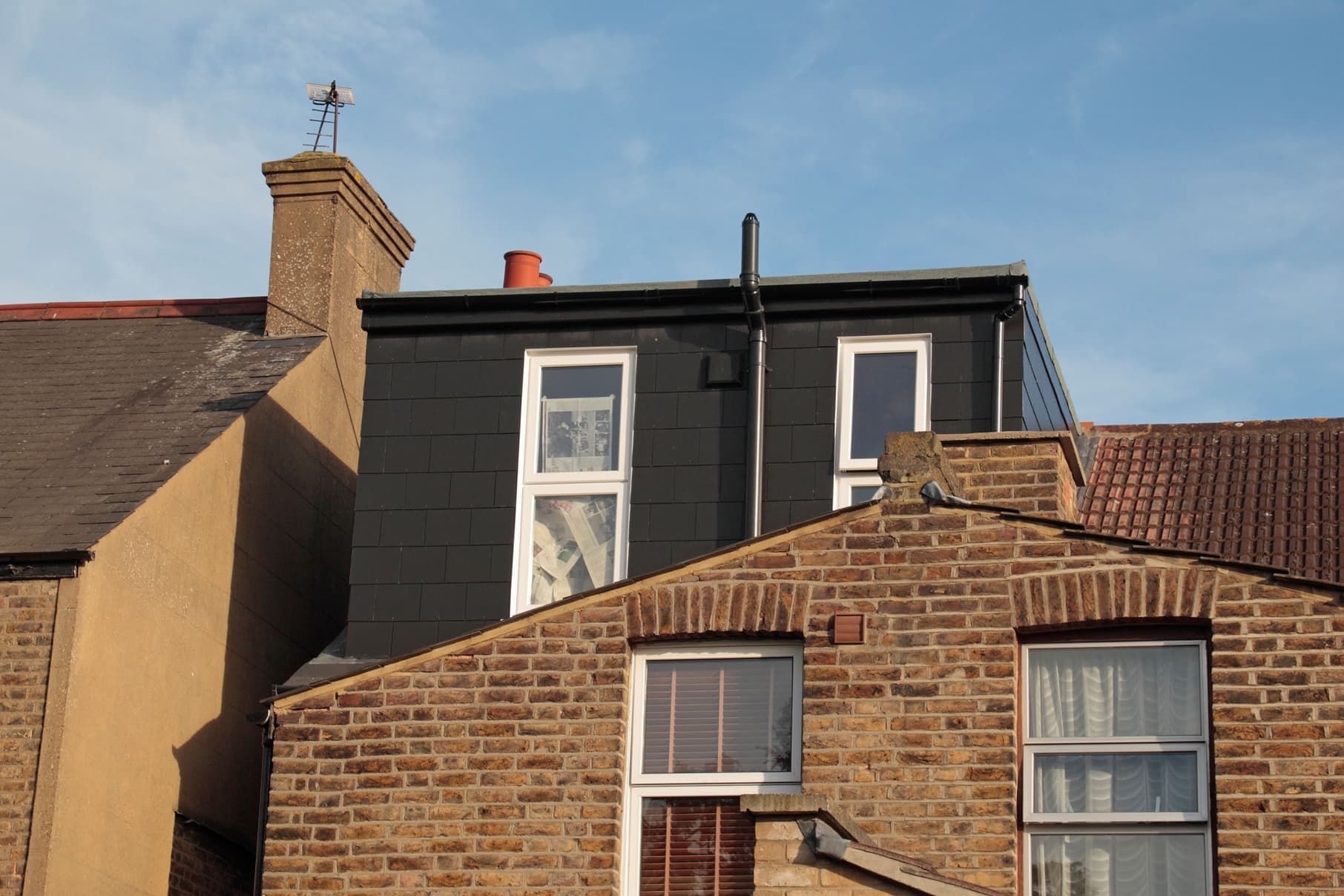
Security for expenses is a crucial, but often underappreciated, mechanism within the Party Wall etc. Act 1996. It provides adjoining owners with financial protection against the risk of a building owner commencing works but failing to complete them, leaving the neighbour with exposure to costs. Despite its practical importance, the provision is frequently misunderstood in both scope and application.

How Long Is a Party Wall Award Valid?
The Party Wall etc. Act 1996 governs works affecting shared walls and neighbouring properties in England and Wales. When parties fail to reach agreement over proposed works covered by the Act, a Party Wall Award is made by surveyors to resolve the dispute. But once the Award is issued, a common question arises: How long is a Party Wall Award valid?

Party Wall Building on the Line of Junction Explained
If you’re planning to build right up to the boundary, you’re dealing with Section 1 of the Party Wall etc. Act 1996 and the rules for party wall line of junction works. This guide breaks down the legal framework, notice strategy, neighbour responses, costs, access, and dispute resolution – plus practical examples and a step-by-step checklist.

Party Wall Surveyor Camden: Expert Guide

Party Wall Surveyor Hackney: Expert Guide

Loft Conversion Party Wall Agreement: What You Should Know
Converting a loft is one of the most popular ways to add space and value to a property in the UK. But when your plans affect a shared or adjoining wall, you must consider the legal requirements of the Party Wall etc. Act 1996. One crucial element is obtaining a Loft Conversion Party Wall Agreement. This agreement is not just a formality—it protects you, your neighbours, and your project from potential disputes and costly delays.

Party Wall Surveyor Fulham: Expert Guide
What is Security for Expenses Under Section 12(1) of the Party Wall Act 1996?
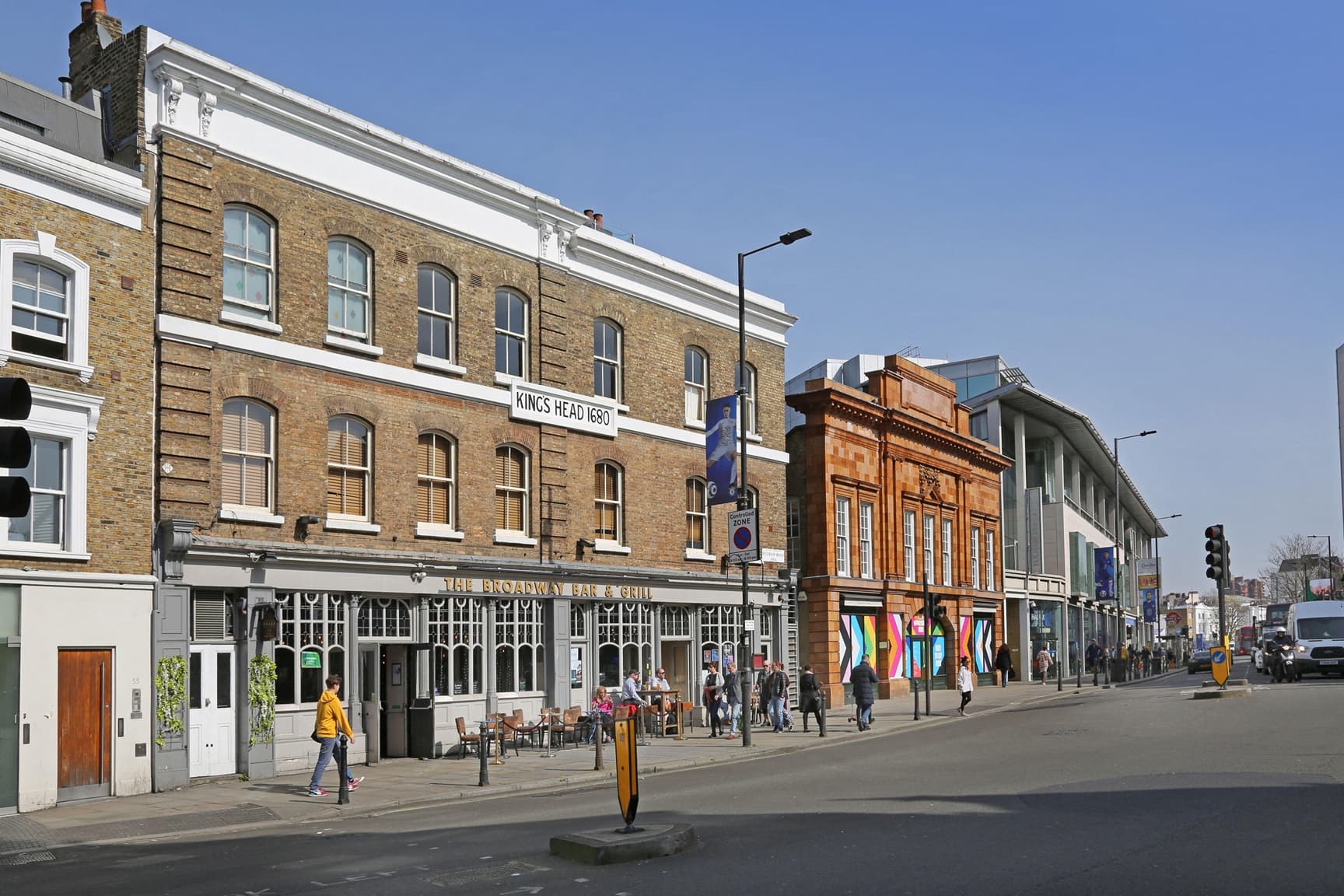
The Party Wall etc. Act 1996 provides a framework for preventing and resolving disputes between building owners and adjoining owners when construction works affect shared or neighbouring structures. One of the most significant — and sometimes overlooked — protections available to adjoining owners is the right to request “Security for Expenses” under Section 12(1) of the Act.

Party Wall Surveyor Southwark: Expert Guide

Party Wall Surveyor Chelsea: Expert Guide

BR Principal Designer Duties Explained (Regulation 11M)