Loading cards...
News
News & Insights
Anstey Horne has been providing specialist property advice for more than 230 years, making us one of the UK’s most established and experienced firms of specialist chartered surveyors.
Our News and Insights section brings together the knowledge and experience of our specialist teams, providing clients, property professionals, developers, investors, landlords, occupiers and advisers with informed commentary on the issues that affect property and development across the UK.
Our articles cover a broad range of specialist disciplines, including Rights to Light, Daylight and Sunlight, Party Wall matters, Building Consultancy, Dilapidations, Fire Consultancy, Cladding Remediation, Building Safety, Project Management, Cost Consultancy and other complex property issues.
Few firms can match the depth of specialist knowledge that Anstey Horne has developed over more than two centuries. Since our origins in 1795, we have built a reputation for providing clear, independent and technically rigorous advice on some of the most complex issues affecting property, construction and development.
Today, our teams combine that long-established experience with modern surveying techniques, specialist technical analysis and an in-depth understanding of current legislation, professional standards and industry practice.
FILTER
Fire Safety and Building Fabric Risk Assessments
Fire safety does not begin and end with alarms, sprinklers, and evacuation procedures. The external envelope of a building plays a critical role in controlling fire spread, protecting occupants, maintaining structural performance, and supporting compliance with UK fire safety legislation.

Building regulations dutyholders explained: Who Does What?

Party Wall Schedule of Condition
If you’re planning on carrying out work on a party wall, then you should have a schedule of condition recorded before work starts. But what exactly is a schedule of condition, and why is it important?
In this article, we’ll cover everything you need to know about a schedule of condition for party wall work and it’s role in a party wall agreemnt, including what it is and why you need it.
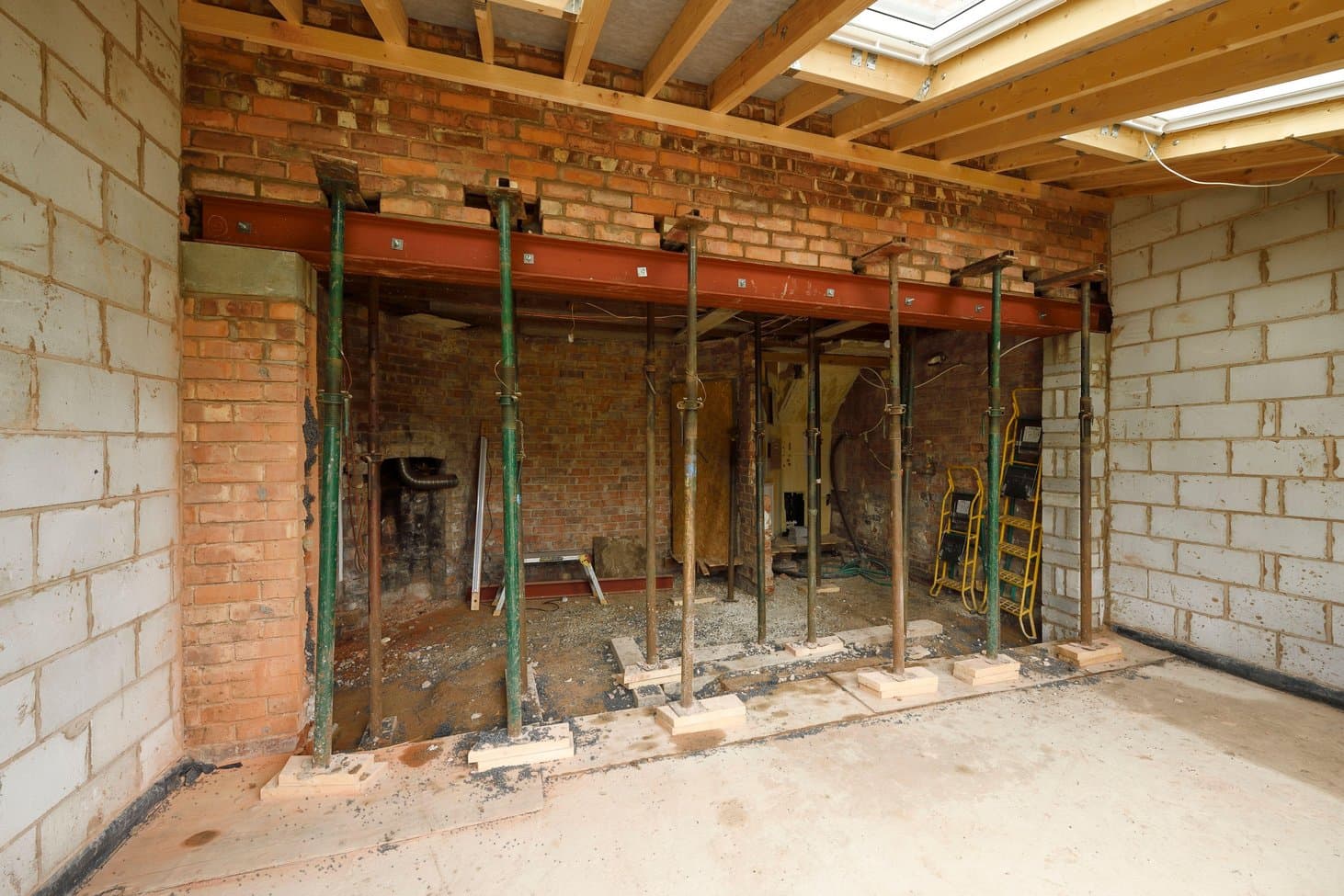
Party Wall Act Fact Sheet
Our Party Wall Act Factsheet explains what property owners in England and Wales need to know when planning building work or receiving notice from a neighbour. From understanding which works fall under the Act to serving notices and resolving disputes, Anstey Horne’s expert surveyors guide you through the key requirements, helping you understand your rights, responsibilities and next steps.

How to Respond to a Party Wall Notice – For Adjoining Owners
Receiving a Party Wall Notice is a formal step taken by a neighbour (the “building owner”) before they exercise rights under the Party Wall etc. Act 1996. Your response controls how the works proceed and how your property is protected. This in‑depth guide sets out the statutory options and timelines on how to respond to a Party Wall notice for adjoining owners across England & Wales—with practical pointers for homeowners and technical detail for architects, surveyors, and solicitors advising clients.

Online Party Wall Quote

When Should Party Wall Notices Be Served
When Should Party Wall Notices Be Served ahead of your building project? Getting the timing right helps you meet your obligations and avoid unnecessary delays. Whether you’re planning an extension, loft conversion or excavation near a neighbouring property, this guide from Anstey Horne explains the different notice periods, when to notify your neighbours and why early preparation matters.

Party Wall Surveyor Kensington: Your Essential Guide

Neighbour Ignores a Party Wall Notice – What Happens?
If you’re planning to carry out work on or near a shared boundary and your neighbour ignores a Party Wall Notice, it can feel frustrating and uncertain. However, the Party Wall etc. Act 1996 lays out clear legal procedures for what happens next.
This article provides a step-by-step guide to what to do if your neighbour fails to respond to your Party Wall Notice – and how to keep your project legally on track.

Should you Consent to a Party Wall Notice?
If you are a neighbour to proposed building work and have received a party wall notice, should you consent and allow work to progress without engaging party wall surveyors?
We always advise building owners to speak to their neighbours before serving a formal notice. Neighbours that feel they are being consulted and kept informed are far less likely to immediately appoint a surveyor when a notice is served. This can avoid running up a large bill for surveyor’s fees which might not be necessary, particularly if the proposed work is minor.

Party Wall Excavation Notice
Are you planning to do some excavation work on your property? Do you share a wall with your neighbour? If so, you may need to issue a party wall excavation notice.
In this article, we will discuss everything you need to know about party wall excavation notices, including what they are, when you need them for a party wall agreement, and how to issue one.
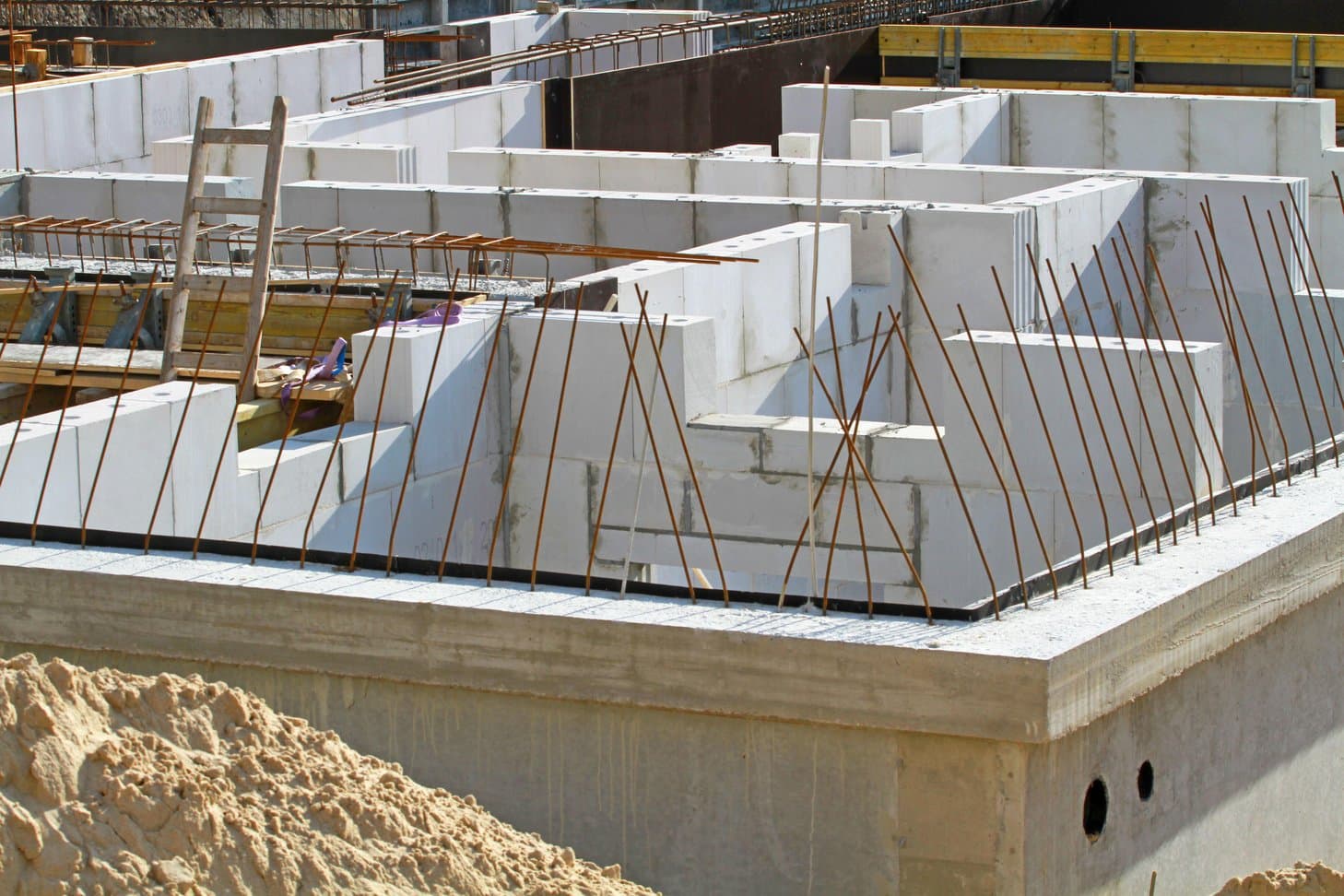
Party Wall Special Foundations – In Depth Guide
What are Party Wall Special Foundations and why do they require additional consideration under the Act?
The Party Wall Act requires the express consent in writing of an Adjoining Owner before the underpinning of a party wall using special foundations.