Loading cards...
News
News & Insights
Anstey Horne has been providing specialist property advice for more than 230 years, making us one of the UK’s most established and experienced firms of specialist chartered surveyors.
Our News and Insights section brings together the knowledge and experience of our specialist teams, providing clients, property professionals, developers, investors, landlords, occupiers and advisers with informed commentary on the issues that affect property and development across the UK.
Our articles cover a broad range of specialist disciplines, including Rights to Light, Daylight and Sunlight, Party Wall matters, Building Consultancy, Dilapidations, Fire Consultancy, Cladding Remediation, Building Safety, Project Management, Cost Consultancy and other complex property issues.
Few firms can match the depth of specialist knowledge that Anstey Horne has developed over more than two centuries. Since our origins in 1795, we have built a reputation for providing clear, independent and technically rigorous advice on some of the most complex issues affecting property, construction and development.
Today, our teams combine that long-established experience with modern surveying techniques, specialist technical analysis and an in-depth understanding of current legislation, professional standards and industry practice.
FILTER
Boundary Dispute Case Law Haycocks v Neville 2007
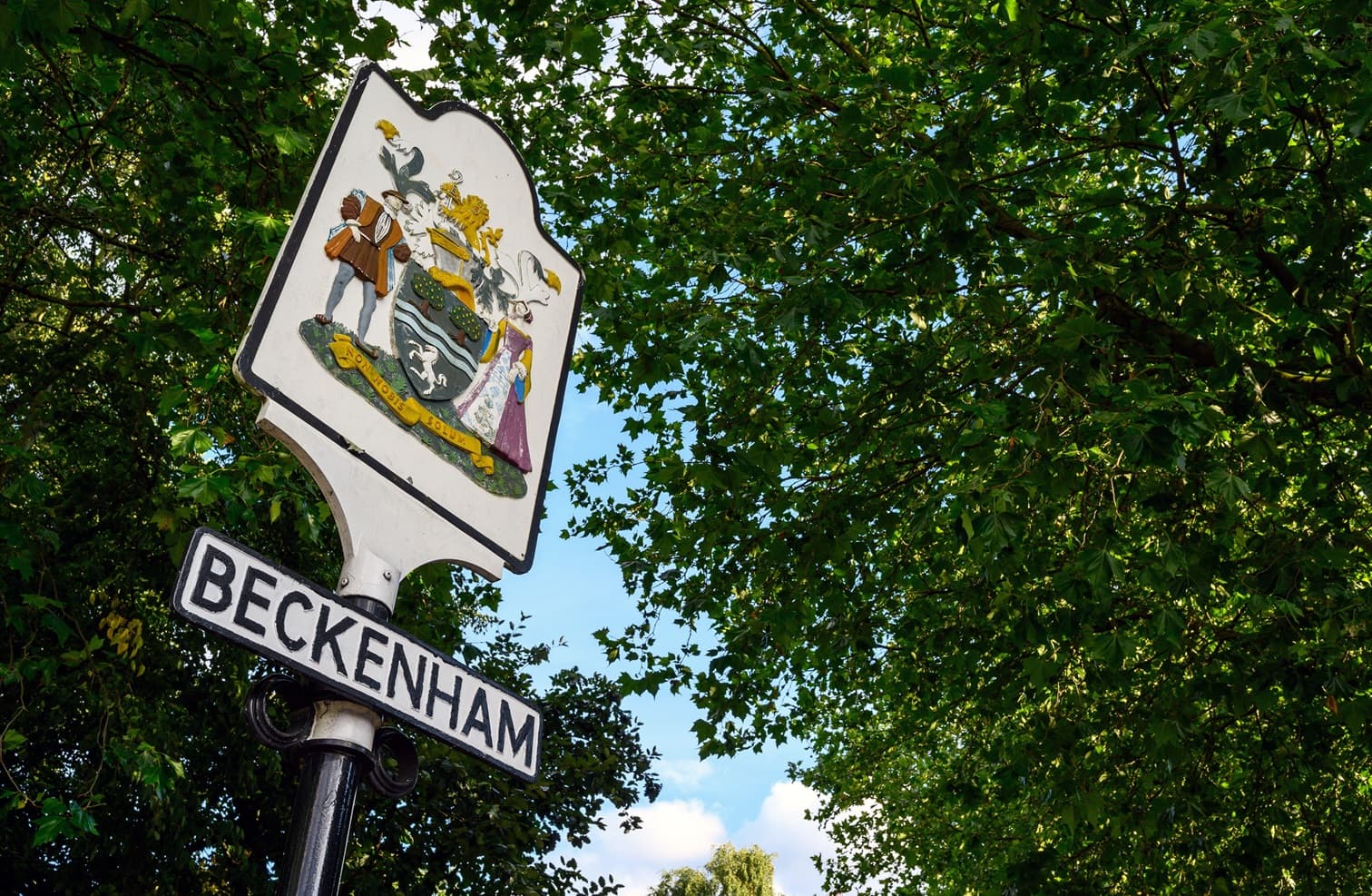
Boundary Dispute Case Law Haycocks v Neville (2007) stands as a significant judgment in UK boundary dispute case law. The Court of Appeal tackled the seemingly modest but emotionally and financially charged issue of a front garden boundary line between two suburban properties in Beckenham, Kent. Despite the narrowness of the land in question—less than a metre wide—the dispute escalated to litigation and ultimately to an appeal, with vital implications for the interpretation of boundary plans, the role of historical surveys, and the evidentiary value of post-conveyance conduct.
Party Wall Case Law Reeves v Blake
Party Wall Case Law Reeves v Blake (2009) serves as a key authority on the extent to which surveyors appointed under the Party Wall etc. Act 1996 (“the Act”) can award legal costs incurred in connection with contemplated court proceedings.

Daylight Design: Enhancing Co-Living

EWS1 Survey Cost : What Leaseholders Should Expect

Dilapidations Case Law : Joyner vs Weeks

Rights of Light Assessment – A Detailed Guide

Fire Risk Assessments for Blocks of Flats
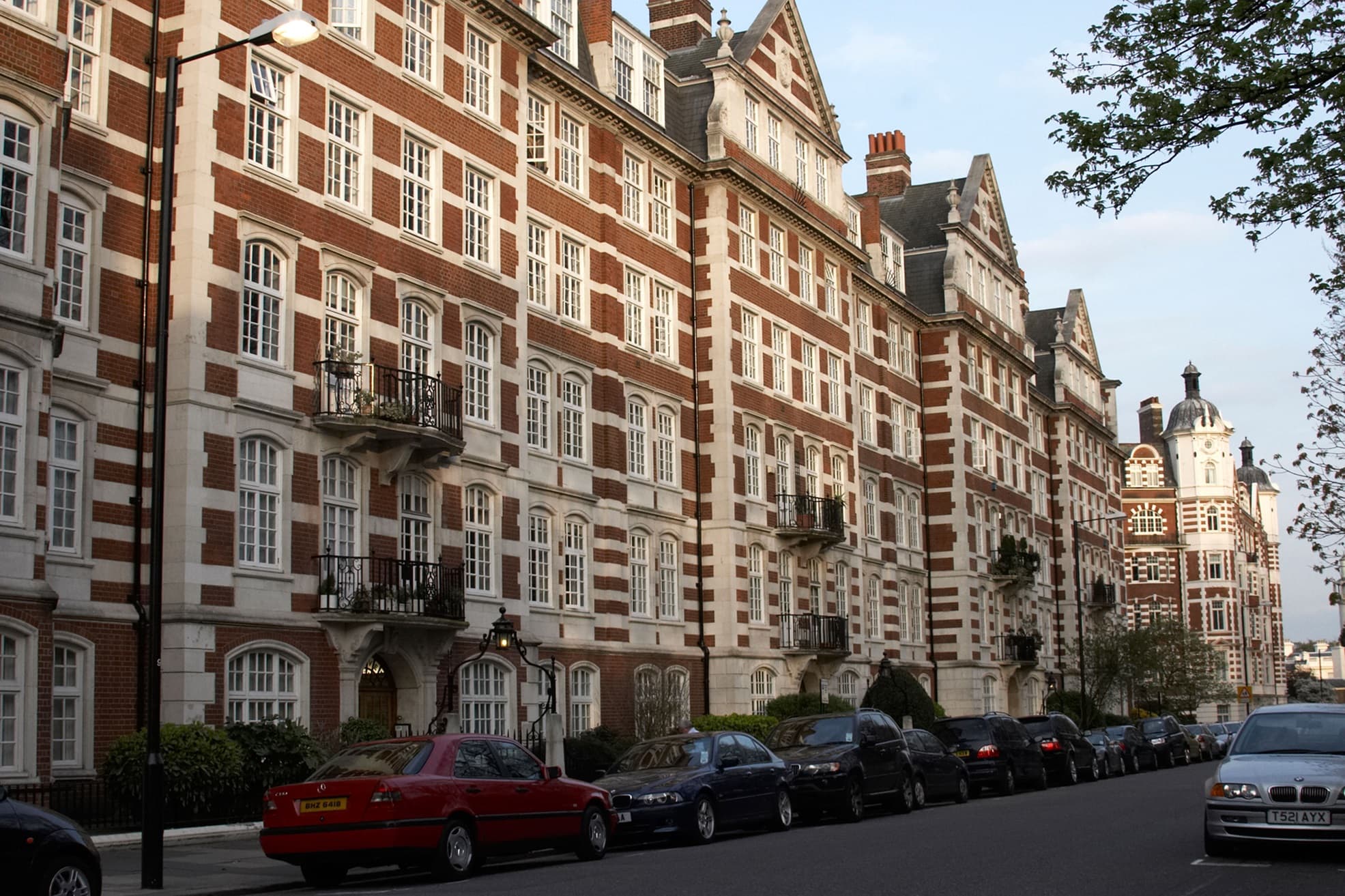
Who Is Legally Responsible for Fire Risk Assessments?
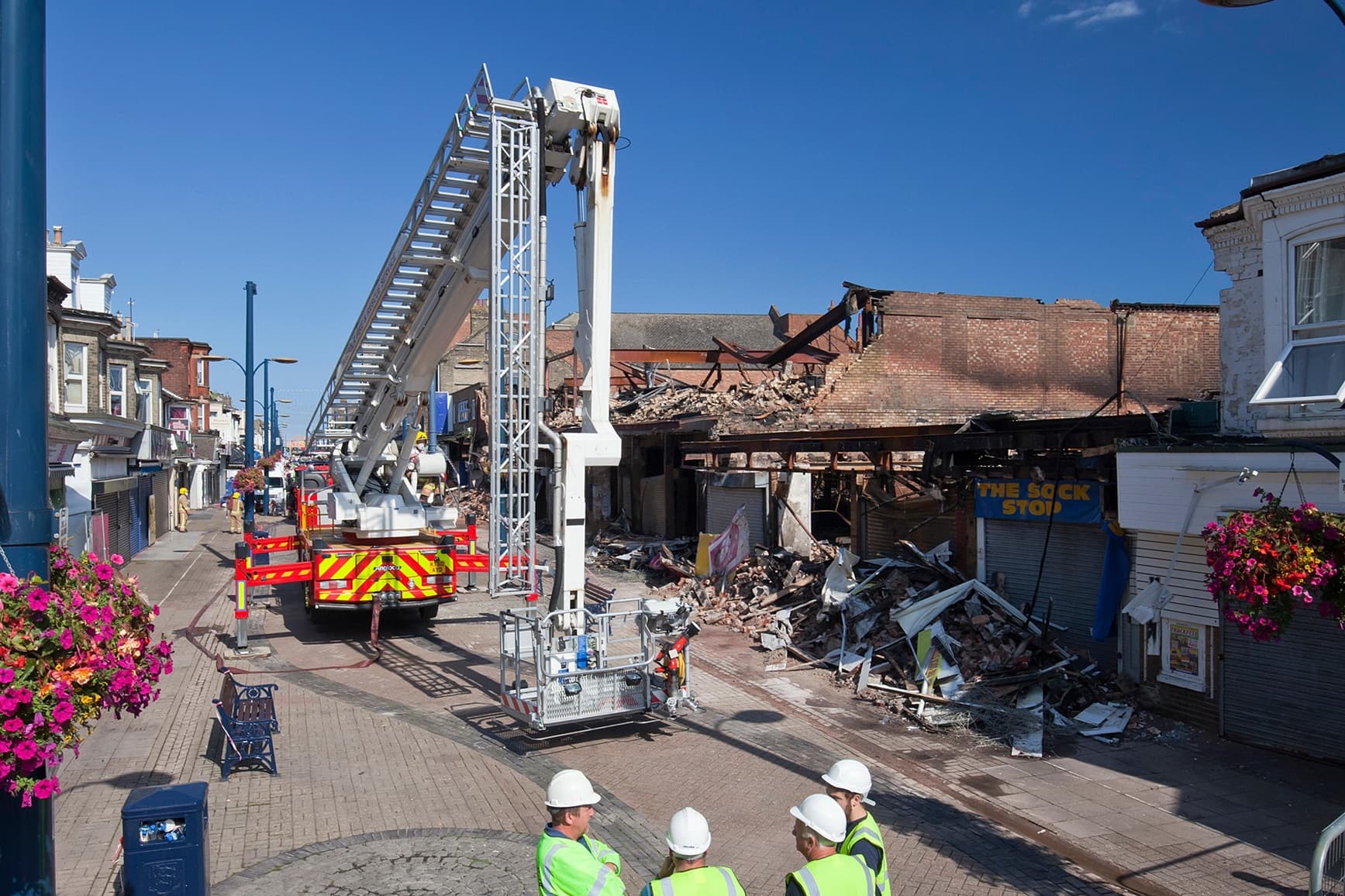
Rights to Light Case Law Wrotham Park v Parkside 1974

Balconies Impact on Daylight & Sunlight

Understanding Access to Neighbouring Land Act 1992

Dilapidation Disputes & How to Resolve Them
