What Is a Reinstatement Cost Assessment?
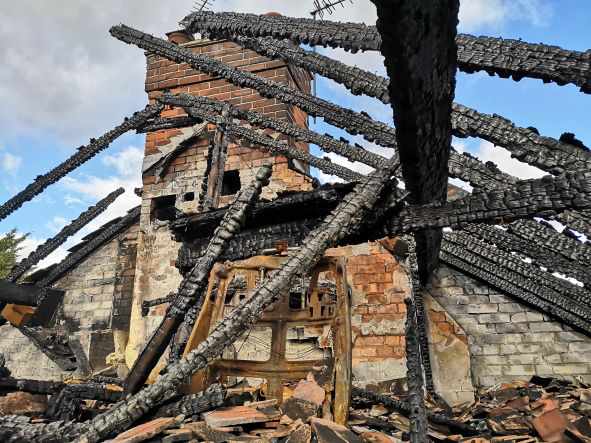
A reinstatement cost assessment (RCA) estimates how much it would cost to rebuild a property following total destruction or damage so extensive that demolition and reconstruction become necessary. It helps property owners establish an appropriate rebuilding figure for buildings insurance. The assessment considers more than construction alone. It also accounts for costs such as demolition, site clearance and professional fees, within the agreed scope. Whether you own a commercial building, manage a residential block or oversee a property portfolio, understanding your reinstatement cost helps you make informed insurance decisions.
Why do you need a reinstatement cost assessment?
Buildings insurance needs to reflect the cost of reinstating your property after an insured loss. An outdated estimate or an incomplete assessment can leave a gap between your insurance figure and the actual rebuilding cost.
Underinsurance can affect claims for partial damage as well as total loss. Where a policy applies an “average” clause, an insurer may reduce a claim payment in proportion to the shortfall.
For example, if your insurance figure represents only 75% of the required reinstatement value, an applicable average clause could reduce an otherwise valid claim by 25%, before any excess or other policy adjustments. The precise outcome depends on your policy wording.
An assessment provides evidence to support your insurance arrangements. It does not guarantee that an insurer will pay every claim: cover, exclusions and policy conditions still apply.
Is reinstatement cost the same as market value?
No. Market value and reinstatement cost answer different questions.
Market value concerns the price a property could achieve in a sale, including the value of its location and land. Reinstatement cost concerns the expense of rebuilding the insured property.
A purchase price therefore provides an unreliable starting point for buildings insurance. Rebuilding costs may sit above or below market value.
An RCA also serves a different purpose from a building condition survey. It assesses rebuilding costs rather than providing a detailed diagnosis of defects.
Who commissions a reinstatement cost assessment?
The person or organisation responsible for arranging buildings insurance usually commissions the assessment. Depending on the property and its ownership arrangements, this may include:
- Property owners and landlords insuring individual buildings.
- Freeholders and residents’ management companies arranging cover for blocks of flats.
- Managing agents acting on behalf of their clients.
- Commercial owner-occupiers insuring business premises.
- Investors and asset managers overseeing property portfolios.
- Trustees and estate managers responsible for institutional or charitable property.
For leasehold buildings, establish who holds the insurance responsibility before commissioning the work. The assessment should address the relevant insured building and the agreed extent of cover.
What does a reinstatement cost assessment cover?
The surveyor agrees the scope at the outset and considers the policy’s definition of the insured property. Typical cost categories include the following.
Rebuilding the property
The assessment considers the building’s size, construction, specification and services. These details help the surveyor select appropriate rebuilding costs.
Demolition and site clearance
A major loss can leave damaged structures and debris. The assessment allows for relevant demolition, removal and associated works.
Professional and statutory fees
Reconstruction can require architects, surveyors, engineers and other advisers, alongside statutory approval fees.
External works and structures
Depending on the policy and agreed scope, the assessment may include drainage, boundary structures, outbuildings, paving and other external features.
VAT and inflation
The surveyor considers relevant VAT assumptions and the treatment of building cost inflation. These require coordination with the insurance arrangements to avoid omissions or double counting.
How does the assessment work?
A clear brief helps the surveyor understand what you need and which buildings the instruction covers.
Before work starts, gather the information you hold, such as:
- The property address and a schedule of buildings.
- Your existing insurance schedule and previous RCA.
- Available plans and floor areas.
- Records of extensions, refurbishments and tenant alterations.
- Details of access arrangements and any known restrictions.
Ask the surveyor to confirm the inspection arrangements, information requirements, report scope and fee.
Anstey Horne tailors its assessments to each property, using current cost data and an elemental approach. This approach considers the costs of individual building elements and helps explain how different parts contribute to the overall assessment.
What does the client receive?
You receive a written report that explains the assessment and its basis. It should identify:
- The property and the scope of the instruction.
- The inspection undertaken and any access limitations.
- The recommended rebuilding figure and assessment basis.
- The principal inclusions, exclusions and assumptions.
- The anticipated reinstatement period.
The report gives you information to share with your broker or insurer. Provide the complete report so they can review its qualifications alongside the headline figure.
Ask your broker to confirm how the figure relates to your policy’s declared value, sum insured and inflation provisions.
What falls outside the assessment?
An RCA focuses on the insured building and the agreed scope. Do not assume it also establishes cover for:
- Movable contents, stock or equipment.
- Business interruption or loss of rent.
- Alternative accommodation.
- Every tenant’s fixture, fitting or alteration.
Ask your surveyor and broker to clarify the boundaries. This matters particularly where several parties hold different insurance responsibilities.
When should you review the assessment?
RICS recommends annual adjustments for inflation and a major review and reassessment every three years, or sooner following significant alterations.
Tell your adviser about extensions, substantial refurbishments or changes to the insured property. Indexation alone cannot capture every change that affects rebuilding costs.
Arrange a reinstatement cost assessment with Anstey Horne
An appropriate rebuilding figure starts with an understanding of your property.
Anstey Horne’s experienced RICS chartered surveyors prepare property-specific reinstatement cost assessments and provide desktop updates to reflect inflation.
Contact our Building Consultancy team to discuss your building or portfolio and the assessment you need.