Awaab’s Law Timeframes Explained: What Social Landlords Need to Know
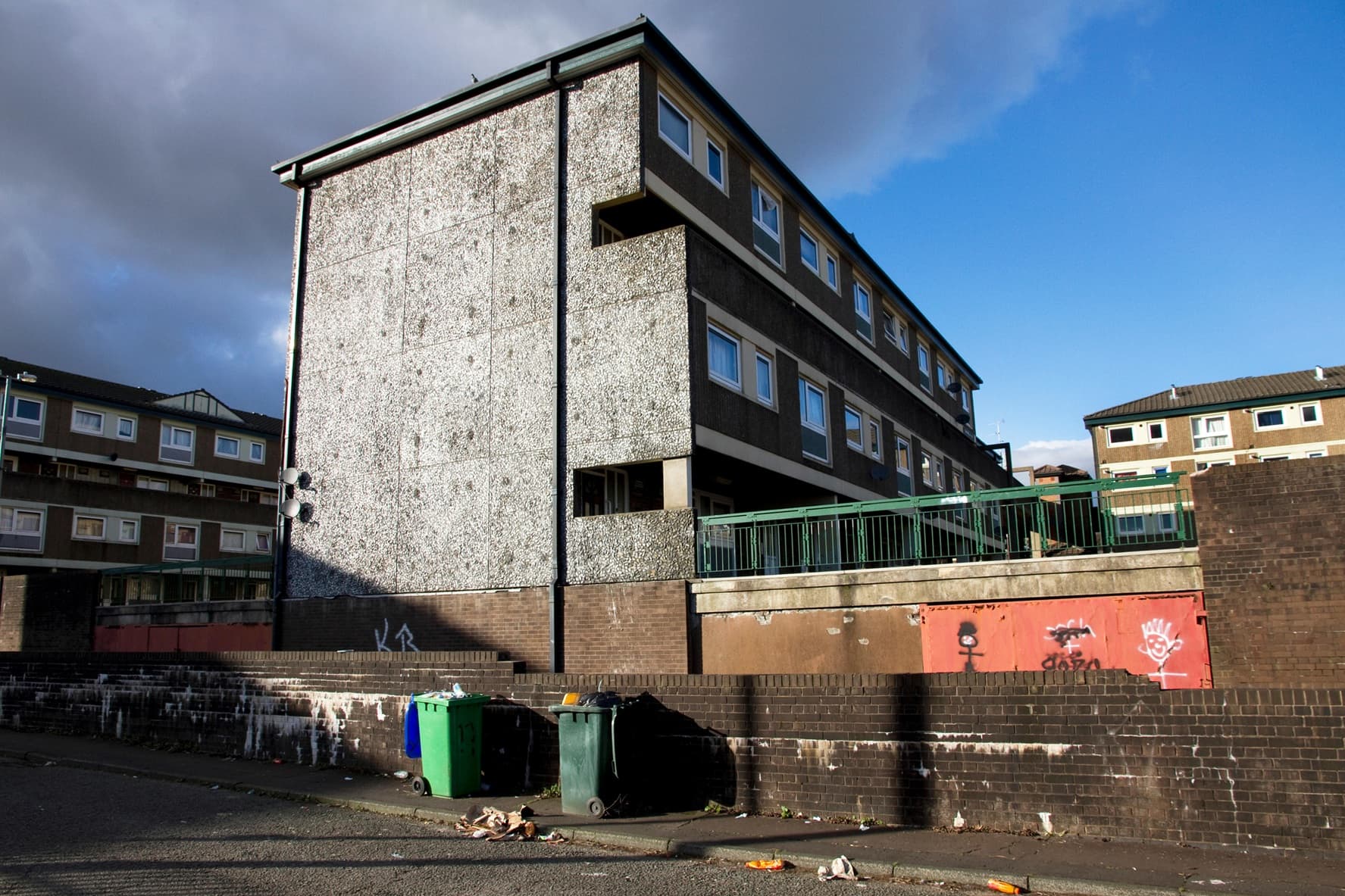
Awaab’s Law timeframes are transforming how social landlords respond to damp, mould, and other serious housing hazards. For the first time, social landlords in England face legally binding deadlines for investigating hazards, carrying out repairs, and protecting residents from unsafe living conditions.
The legislation arose following the tragic death of two-year-old Awaab Ishak in 2020 after prolonged exposure to damp and mould in a social housing property. The subsequent inquest identified serious failures in the landlord's response to repeated reports of hazardous conditions. In response, the government introduced Awaab's Law to ensure that tenants no longer face lengthy delays when reporting health-threatening housing defects.
For housing associations, local authorities, legal professionals, surveyors, and tenants, understanding the awaabs law timeframes is now essential. Failure to comply can result in regulatory action, legal claims, reputational damage, and potentially significant financial penalties.
This guide explains the key requirements, repair deadlines, implementation phases, and practical implications of Awaab's Law.
What Is Awaab's Law?
Awaab's Law introduces mandatory response and repair timeframes for social landlords when tenants report hazards within their homes.
The legislation forms part of the wider reforms introduced through the Social Housing (Regulation) Act 2023 and subsequent regulations governing social housing providers.
The law aims to prevent landlords from allowing dangerous conditions to persist for months or years without effective intervention.
Unlike previous arrangements, where landlords were generally expected to act within a reasonable period, Awaab's Law establishes specific statutory deadlines that landlords must meet.
The law applies to social housing providers and is being introduced in phases, initially focusing on damp and mould before expanding to cover a wider range of housing hazards.
Why Were Awaab's Law Timeframes Introduced?
The introduction of Awaab's Law followed the death of Awaab Ishak in Rochdale in December 2020.
Investigations revealed that severe damp and mould had been present within the property for an extended period. Despite repeated complaints by the family, effective remedial action was not taken.
The case highlighted wider concerns regarding:
- Poor landlord responses to tenant complaints
- Long delays in investigating hazards
- Failure to understand health impacts
- Inadequate record keeping
- Weak regulatory oversight
The government concluded that stronger legal obligations were necessary to ensure landlords acted quickly when serious hazards were reported.
The resulting legislation places residents' health and safety at the centre of housing management.
Which Properties Are Covered?
At present, Awaab's Law applies to social rented homes in England.
This includes homes owned or managed by:
- Housing associations
- Registered providers of social housing
- Local authority landlords
The legislation sits alongside existing duties under the Housing Act 2004 and the Housing Health and Safety Rating System (HHSRS), which already require action where serious hazards exist. The Housing Act 2004 defines hazards as risks to the health or safety of occupiers arising from deficiencies in the dwelling and requires local authorities to take enforcement action where Category 1 hazards are identified.
The Renters' Rights Act 2025 contains provisions that may allow similar standards to be extended to the private rented sector in the future.
The Core Awaab's Law Timeframes
The most important aspect of the legislation is the introduction of mandatory repair and investigation deadlines.
Emergency Hazards: Within 24 Hours
Where a hazard presents an immediate and significant risk to the health or safety of residents, landlords must make the property safe within 24 hours.
Examples may include:
- Severe electrical defects
- Dangerous structural instability
- Serious fire safety risks
- Dangerous carbon monoxide exposure
- Extreme damp causing immediate health risks
The landlord does not necessarily need to complete all permanent repairs within 24 hours.
However, they must take sufficient interim measures to remove the immediate danger.
Damp and Mould Investigations: Within 10 Working Days
One of the most widely publicised awaabs law timeframes concerns damp and mould.
When a tenant reports potential damp and mould hazards, the landlord must investigate within 10 working days.
The investigation should:
- Assess the extent of the problem
- Identify root causes
- Evaluate health risks
- Determine required remedial works
- Record findings appropriately
This represents a substantial change from previous practices where investigations could often take weeks or months.
Written Findings Following Inspection
After inspection, landlords must provide residents with clear information regarding:
- The findings of the investigation
- Any identified hazards
- Planned remedial actions
- Expected repair timescales
Good communication forms a key element of compliance.
Landlords cannot simply inspect and fail to update tenants regarding the outcome.
Significant Hazards: Repairs Within 5 Working Days
Where the investigation identifies a significant hazard, landlords must begin action quickly.
Current guidance requires landlords to make properties safe within five working days of confirming a significant risk.
Depending on the circumstances, this may involve:
- Temporary accommodation
- Interim safety measures
- Removal of dangerous materials
- Emergency repairs
- Environmental cleaning
The objective is to ensure residents are protected immediately while permanent solutions are arranged.
Permanent Repairs
Where temporary measures are implemented initially, permanent repairs must follow within a reasonable period.
The exact timescale will depend on:
- The nature of the defect
- Availability of specialist contractors
- Supply chain requirements
- Technical complexity
However, landlords must demonstrate active progress and cannot allow matters to drift indefinitely.
The Phased Introduction of Awaab's Law
Many people assume Awaab's Law only concerns damp and mould.
In reality, the government intends to expand the legislation to cover most housing hazards.
Phase One
The first phase focuses on:
- Damp
- Mould
These hazards were prioritised because of their direct connection to Awaab Ishak's death and the widespread prevalence of mould-related issues within social housing.
Phase Two
The second phase expands coverage to include:
- Excess cold
- Excess heat
- Falls
- Fire hazards
- Electrical hazards
Government guidance indicates these additional hazards will be brought into scope following the initial implementation stage.
Phase Three
The final phase is expected to incorporate nearly all remaining HHSRS hazards.
The only likely exception is overcrowding, which is governed by separate legislative frameworks.
By the end of implementation, social landlords will face statutory response deadlines across most significant housing hazards.
How Awaab's Law Links to the Housing Health and Safety Rating System
The Housing Health and Safety Rating System (HHSRS) remains the primary framework for assessing housing hazards.
Under the Housing Act 2004, hazards are assessed according to their likelihood and potential severity. Serious hazards are classified as Category 1 hazards, triggering enforcement duties on local authorities.
The HHSRS identifies 29 hazard categories, including:
- Damp and mould growth
- Excess cold
- Fire
- Electrical hazards
- Structural collapse
- Falls on stairs
- Carbon monoxide exposure
Awaab's Law effectively introduces mandatory response deadlines when these hazards are reported within social housing.
The two systems therefore work together.
The HHSRS identifies hazards.
Awaab's Law dictates how quickly landlords must respond.
What Happens If Landlords Miss the Deadlines?
Failure to comply with awaabs law timeframes may expose landlords to significant consequences.
Regulatory Action
The regulator can investigate failures and take enforcement action where systemic breaches occur.
Potential consequences include:
- Regulatory notices
- Enforcement programmes
- Performance monitoring
- Governance downgrades
Housing Ombudsman Complaints
Tenants may pursue complaints through the Housing Ombudsman.
The Ombudsman increasingly scrutinises landlord responses to damp and mould complaints and can award compensation where failures are identified.
Local Authority Enforcement
Where serious hazards persist, local authorities retain enforcement powers under the Housing Act 2004.
These powers include:
- Improvement notices
- Hazard awareness notices
- Prohibition orders
- Emergency remedial action
The Housing Act requires authorities to take appropriate enforcement action where Category 1 hazards exist.
Legal Claims
Landlords may also face:
- Housing disrepair claims
- Personal injury claims
- Breach of tenancy claims
- Human rights arguments in serious cases
Compensation awards can increase significantly where landlords have ignored statutory obligations.
What Evidence Should Landlords Keep?
Compliance depends heavily on record keeping.
Landlords should maintain evidence of:
- Initial reports
- Dates complaints were received
- Inspection appointments
- Survey reports
- Risk assessments
- Contractor instructions
- Repair completion dates
- Resident communications
Digital asset management systems and housing management software are increasingly becoming essential tools for demonstrating compliance.
Without adequate records, landlords may struggle to prove they met statutory deadlines.
The Role of Housing Condition Surveys
Housing condition surveys have become increasingly important under Awaab's Law.
Professional inspections can help landlords:
- Identify hazards proactively
- Assess damp and mould risks
- Prioritise repairs
- Demonstrate compliance
- Reduce legal exposure
Independent surveyors can also provide expert evidence where disputes arise regarding the cause or severity of housing defects.
How Social Landlords Are Adapting
Many housing providers have already begun changing their operating models.
Common changes include:
- Dedicated damp and mould teams
- Faster inspection procedures
- Enhanced tenant reporting systems
- Increased surveying resources
- Better contractor management
- Improved data tracking
The focus has shifted from reactive repairs to proactive risk management.
Landlords increasingly recognise that prevention is less costly than responding to complaints, legal claims, and regulatory investigations.
Future Expansion Into the Private Rented Sector
Although Awaab's Law currently applies to social housing, future expansion remains possible.
The Renters' Rights Act 2025 introduces significant reforms to housing standards and enforcement across the private rented sector.
Government policy suggests that similar hazard response requirements may eventually apply to private landlords.
Private sector landlords would be wise to begin adopting similar practices now rather than waiting for future regulation.
Key Takeaways
The awaabs law timeframes represent one of the most significant changes to housing management in recent years.
The key deadlines currently include:
- Emergency hazards must be made safe within 24 hours.
- Damp and mould investigations must occur within 10 working days.
- Significant hazards must be made safe within five working days of confirmation.
- Residents must receive clear communication regarding findings and planned actions.
- Compliance requirements will expand to cover additional HHSRS hazards over time.
For social landlords, the implications extend far beyond repairs. Awaab's Law requires robust reporting systems, effective asset management, proactive inspections, comprehensive record keeping, and a culture that prioritises resident safety.
As implementation continues and additional hazards come within scope, understanding and complying with these requirements will become an increasingly important part of housing management across England.
FAQs - Awaab's Law timeframes
What are the main Awaab's Law timeframes?
Current requirements include making emergency hazards safe within 24 hours, investigating damp and mould reports within 10 working days, and making confirmed significant hazards safe within five working days.
Does Awaab's Law only apply to damp and mould?
No. Damp and mould are the first hazards covered, but additional hazards such as fire, electrical safety, excess cold, excess heat, and falls are being introduced through later implementation phases.
Does Awaab's Law apply to private landlords?
Currently, the law applies to social housing providers. However, future expansion into the private rented sector remains under consideration through wider housing reforms.
What is a Category 1 hazard?
A Category 1 hazard is the most serious classification of housing hazard under the Housing Health and Safety Rating System and requires enforcement action by local authorities.
Can tenants claim compensation if landlords breach Awaab's Law?
Potentially, yes. Failure to comply may contribute to housing disrepair claims, personal injury claims, Ombudsman complaints, and regulatory investigations.
Why is Awaab's Law important?
The legislation aims to prevent dangerous housing conditions from being ignored and ensures that residents receive prompt action when serious hazards threaten their health and safety.
Contact
For expert Housing Disrepair Surveys, technical inspections and litigation support, Anstey Horne provides clear, professional and evidence-based advice across the UK.
To arrange a no-obligation consultation – please call 020 4534 3130.
If you rather we called you, or for further information please fill in our contact form and we will be in touch.
For more information on all aspects of this service see the collection of articles in our blog.
To discuss Housing Disrepair Surveys please call 020 4534 3130.
For further information, please contact :

Paul Phillips
BSc (Hons) MRICS C.BuildE MCABE
Senior Director
Building Surveying
London

Jonathan Rees-Davies
BSc MSc MRICS
Associate Director
Building Surveying
London