Fire Risk Assessments Bristol
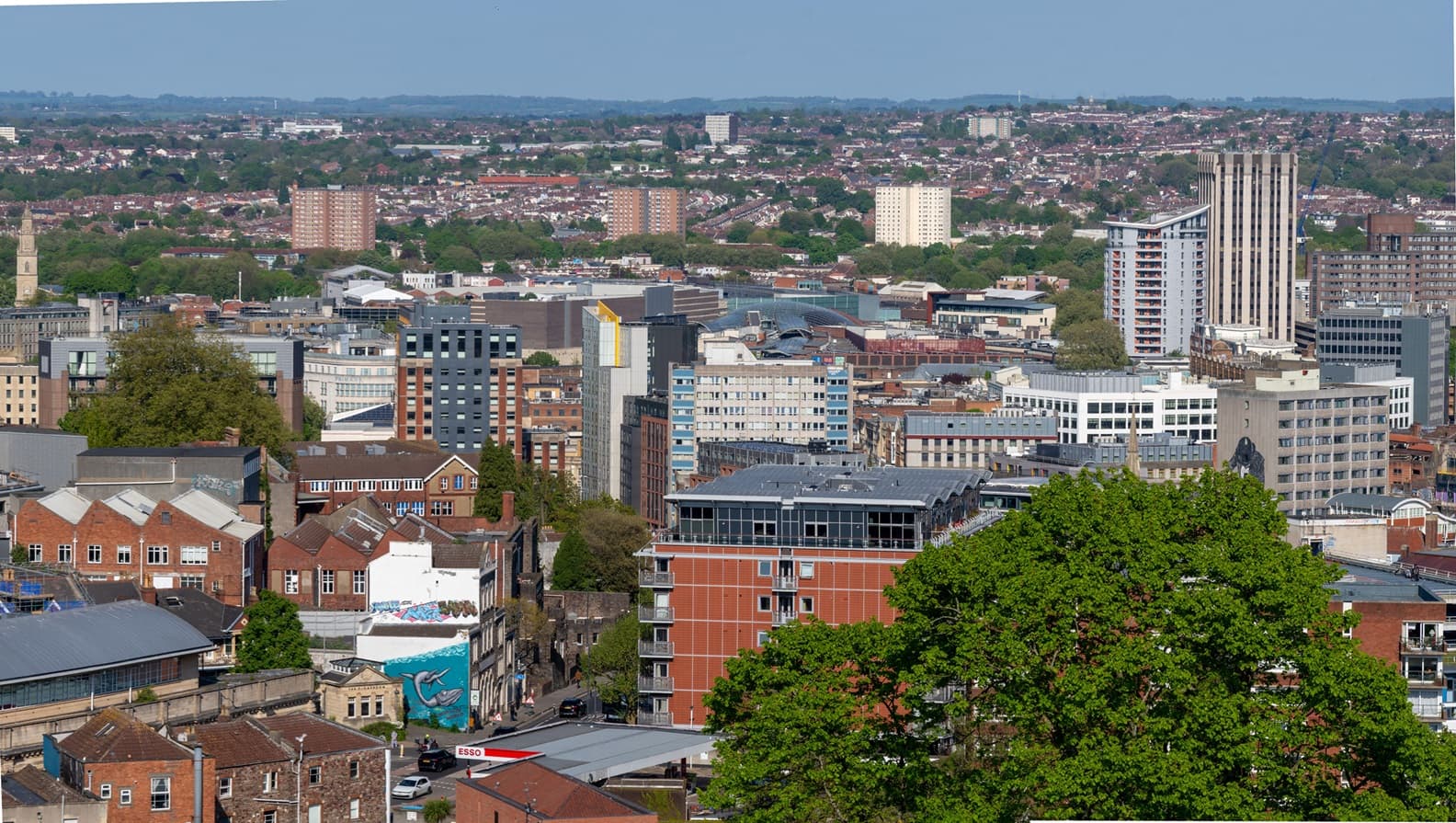
If you own, manage, or control premises in Bristol, you carry legal duties to manage fire risk in a structured and documented way. Fire risk assessments Bristol services sit at the centre of that responsibility. You need an assessment that identifies who faces risk, what could cause a fire, how fire and smoke could spread, and which general fire precautions you must provide and maintain. Article 9 of the Regulatory Reform (Fire Safety) Order 2005 sets the requirement for a suitable and sufficient fire risk assessment, and enforcing authorities in Bristol expect clear evidence that you meet that standard.
This guide explains how fire risk assessments Bristol work in practice, what you should expect from a professional service, and how you use the output to manage risk, satisfy enforcement officers, and protect people in real buildings.
The content reflects the types of property found across Bristol, including city centre offices, harbourside mixed use, student accommodation, warehouses, retail units, and residential blocks with common parts.
Why fire risk assessments Bristol matter
Fire risk assessments Bristol are not a paperwork exercise. They drive day to day safety decisions and long term investment. A well scoped assessment reduces the likelihood of fire and limits harm if a fire occurs. It also protects you from enforcement action, prohibition notices, and prosecution.
Bristol has a dense mix of older buildings, converted premises, and modern developments. Many properties have experienced changes of use, internal alterations, or phased refurbishments. These factors increase fire risk if you do not review fire precautions against current use. A current and well evidenced fire risk assessment allows you to manage these risks proportionately rather than relying on assumptions or outdated documentation.
Who needs fire risk assessments in Bristol
You need a fire risk assessments if you act as the responsible person or dutyholder for premises other than a single private dwelling. In practice, this includes:
- Employers responsible for offices, factories, warehouses, and shops
- Landlords and managing agents of residential buildings with common parts
- Owners of mixed use buildings with commercial and residential elements
- Operators of student accommodation and HMOs
- Charities and public bodies controlling public access buildings
In Bristol, dutyholders often include more than one party. For example, a landlord may control the structure and common parts while tenants control their demised areas. Fire risk assessments Bristol must recognise these shared responsibilities and define scope clearly.
What a suitable and sufficient fire risk assessment looks like
A suitable and sufficient fire risk assessment does four things well.
- Identification of fire hazards. This includes sources of ignition, fuel, and oxygen.
- Identification of people at risk. This includes employees, residents, visitors, and vulnerable occupants.
- Evaluation of existing fire precautions. This covers detection, warning, escape, compartmentation, and management.
- Establishes a clear action plan. Actions must be prioritised, proportionate, and assigned ownership and timescales.
Fire risk assessments in Bristol should record significant findings and keep them under review. Inspectors expect evidence that you act on findings, not just commission reports.
Fire risk assessments for non residential premises
For offices, retail, industrial, and other non housing premises in Bristol, fire risk assessments Bristol follow a structured approach aligned with PAS 79-1. The assessor reviews how the building is used day to day and how people move through it.
Key inspection areas include:
- Fire detection and alarm systems. Coverage, audibility, call points, and testing regimes.
- Means of escape. Travel distances, exit widths, door operation, and signage.
- Emergency lighting. Coverage, testing records, and adequacy for current layouts.
- Fire doors and compartmentation. Condition, gaps, self closing devices, and alterations.
- Fire safety management. Training, drills, maintenance, and contractor control.
Bristol has a high proportion of older commercial buildings converted to modern use. Fire risk assessments Bristol often identify legacy issues such as extended travel distances, altered escape routes, or compromised compartmentation. A competent assessor will explain whether these issues require immediate work or can be managed through alternative measures.
Fire risk assessments for residential buildings
Residential fire risk assessments focus on common parts of blocks of flats, maisonettes, and HMOs. They assess how the building design supports the evacuation strategy, usually stay put or simultaneous evacuation.
Residential assessments typically include:
- Means of escape in common parts. Stairs, corridors, lobbies, and final exits.
- Fire resisting construction. Walls, floors, service penetrations, and risers.
- Fire doors. Flat entrance doors and communal doors.
- Fire detection systems in common areas.
- Fire safety information for residents.
In Bristol, many residential buildings include mixed use ground floors or podiums. Fire risk assessments Bristol must consider how commercial risks interact with residential escape routes and compartmentation.
How fire risk assessments deal with external walls
Fire risk assessments Bristol consider external walls as part of the overall assessment but do not replace specialist external wall appraisals. Where buildings have cladding or complex facades, the assessor records construction details and flags the need for a separate fire risk appraisal of external walls when appropriate.
This distinction matters. A competent fire risk assessment identifies whether external wall risks could undermine the evacuation strategy. It then directs you to the correct next step rather than speculating or overstating risk.
Competence and independence of fire risk assessors
You should expect fire risk assessments Bristol to be completed by competent assessors with appropriate training and experience. Competence covers knowledge of fire safety principles, understanding of legislation, and practical experience in similar buildings.
In Bristol, enforcement officers increasingly scrutinise assessor competence and report quality. A robust assessment explains reasoning clearly and avoids generic wording. It records limitations, assumptions, and areas that require further investigation.
What you receive from professional fire risk assessments in Bristol
A professional fire risk assessments Bristol service delivers more than a checklist. You should receive:
- A clear description of the premises and its use
- A defined scope and type of assessment
- Photographic evidence where appropriate
- An evaluation of fire risk using a recognised methodology
- A prioritised action plan with realistic timescales
- Guidance on review periods and triggers
The report should allow you to brief contractors, budget for works, and demonstrate compliance during inspections.
Review and update of fire risk assessments
Fire risk assessments in Bristol are living documents. You must review them regularly and whenever significant change occurs. Common review triggers include:
- Alterations to layout or structure
- Change of use or occupancy levels
- Introduction of new processes or equipment
- Fire incidents or near misses
- Updates to fire safety legislation
Many Bristol buildings evolve over time. Regular review ensures your assessment reflects reality rather than original design intent.
Enforcement and expectations in Bristol
Fire authorities in Bristol expect dutyholders to understand their buildings and manage fire risk actively. During inspections, officers typically ask for:
- A current fire risk assessment
- Evidence that actions have been completed or planned
- Maintenance records for alarms and emergency lighting
- Training records and fire procedures
Fire risk assessments that are clear, current, and acted upon reduce the likelihood of formal enforcement.
Common issues identified by fire risk assessments
Across Bristol, assessors frequently identify recurring issues.
- Poor fire door condition or missing self closers
- Inadequate signage or emergency lighting in older buildings
- Combustible storage in common parts
- Outdated evacuation information
- Unclear responsibility between landlords and tenants
Addressing these issues early reduces cost and risk. A proportionate action plan avoids unnecessary upgrades while targeting genuine weaknesses.
How fire risk assessments support wider building safety duties
Fire risk assessments Bristol support compliance with wider safety frameworks. They inform fire door surveys, compartmentation surveys, and building safety case preparation. For residential buildings, they underpin evacuation strategies and resident information.
Using your fire risk assessment as a management tool rather than a static report improves outcomes and reduces duplication.
Choosing the right fire risk assessments service
When selecting a provider, focus on clarity, competence, and relevance to your building type. Ask how the assessor scopes mixed use buildings, how they record limitations, and how they prioritise actions. The goal is a report you can use, not one you file away.
Fire risk assessments Bristol should fit your building and your operational reality. A tailored approach delivers better safety and better value.
Conclusion
Fire risk assessments are a legal requirement, but they also offer a practical framework for managing real risk. When carried out competently, they protect people, support informed decision making, and demonstrate compliance to enforcing authorities. By commissioning a thorough and proportionate assessment and acting on its findings, you place your Bristol property on a strong footing for fire safety and regulatory confidence.
FAQs - Fire Risk Assessments Bristol
Who is responsible for fire risk assessments
If you control or manage premises in Bristol, you act as the responsible person for fire safety matters within your control. This can include employers, landlords, managing agents, and owners.
How often should fire risk assessments be reviewed
You should review your fire risk assessment regularly and whenever significant change occurs. Many buildings require an annual review, but higher risk or changing premises may need more frequent checks.
Do residential blocks in Bristol need fire risk assessments
Yes. Residential buildings with common parts require fire risk assessments that cover those areas. Individual flats do not require separate assessments under fire safety legislation.
Are fire risk assessments required for small businesses
Yes. Size does not remove the duty. Even small premises in Bristol must have a suitable and sufficient fire risk assessment.
What happens if you do not have a fire risk assessment in Bristol
Failure to carry out fire risk assessments Bristol can lead to enforcement action, fines, or prosecution. It also increases the risk of harm to occupants.
Do fire risk assessments include fire doors
Yes. Assessments review fire doors as part of compartmentation and means of escape. Where necessary, they recommend detailed fire door surveys.
Can one fire risk assessment cover mixed use buildings in Bristol
Often you need coordinated assessments covering different uses. Fire risk assessments should define scope clearly and address interfaces between residential and commercial areas.
Do fire risk assessments include evacuation planning
Yes. The assessment reviews the evacuation strategy and how it is communicated. It should align with the building layout and occupant profile.
How long does a fire risk assessment take
Timescales depend on building size and complexity. Simple premises may take a few hours on site, while larger or mixed use buildings require longer inspections and reporting.
What documents should you keep with your fire risk assessment
You should retain the assessment report, action plan, maintenance records, training records, and evidence of completed works. These support compliance during inspections.
If you want help commissioning or reviewing fire risk assessments, choose a service that focuses on clarity, proportionality, and practical outcomes for your building.
Need help with a Fire Risk Assessment?
Anstey Horne’s expert team of fire safety professionals are here to assist with legally compliant fire risk assessments, retrospective fire strategies, and FRAEW appraisals for residential buildings across the UK. Whether you manage a single block or a national portfolio, we can help you stay safe and compliant.
Get in touch with us today to arrange a no-obligation consultation - please call 020 4534 3130.
For further information on Fire Risk Assessments please fill in our contact form and we will be in touch.
For further information on all aspects of this service see the collection of articles in our blog.
To commission a Fire Risk Assessment please call 020 4534 3130.
For further information on Fire Risk Assessment, Retrospective Fire Strategies, FRAEWs or advice in respect of your obligations as a building owner, developer or manager, please contact :

Stuart Barrow
AIFireE, MIFSM
Director, Head of Fire Safety
Fire Consultancy
London

Sarah Taylor
Business Support Manager
Building Surveying
London