Fire Risk Assessment FRA and FRAEW – How they fit together
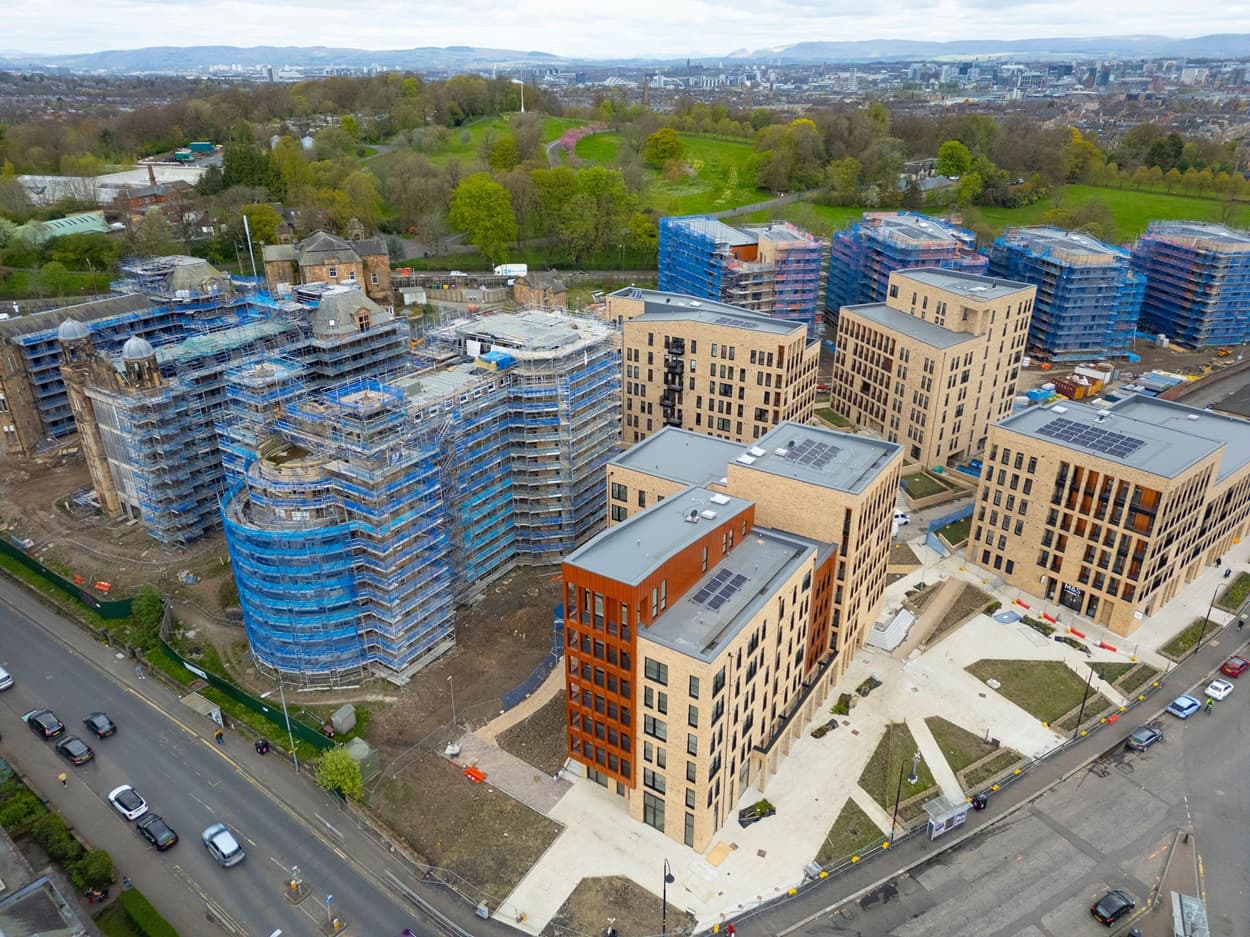
If you manage, own, or control a residential or mixed use building, you will encounter both a Fire Risk Assessment FRA and a Fire Risk Appraisal of External Walls FRAEW. Many dutyholders treat them as separate exercises. That approach creates risk, delay, and enforcement exposure. In reality, a Fire Risk Assessment (FRA) and FRAEW form two connected parts of a single fire safety risk picture. You must understand how they fit together, how information flows between them, and how you use both to make proportionate and defensible decisions.
This guide explains how a Fire Risk Assessment (FRA) and FRAEW work together, when you need each, and how to commission and manage them correctly. It focuses on practical application for managing agents, freeholders, housing associations, and building owners across England and Wales.
What a Fire Risk Assessment actually covers
A Fire Risk Assessment evaluates the risk of fire to people. It focuses on ignition sources, fire growth, smoke spread, and safe evacuation. In residential buildings, the FRA concentrates on common parts and shared systems rather than inside individual dwellings, except where the assessment scope extends further.
In housing, current best practice follows BS 9792. In non housing premises, including commercial parts of mixed use buildings, PAS 79-1 applies. Both standards use a structured, risk based methodology built around identifying hazards, assessing likelihood and consequences, and producing a clear action plan.
A competent assessor will review:
- Fire hazards such as ignition sources and combustible materials
- Fire protection measures including compartmentation, fire doors, alarms, lighting, and smoke control
- Fire safety management arrangements including maintenance, testing, training, and resident information
- Evacuation strategy such as stay put or simultaneous evacuation
The FRA answers a fundamental question. Given the building as it exists today, does fire risk to people remain tolerable, and if not, what actions will reduce it?
What a FRA does not do is assess external wall construction in detail. That gap is intentional and critical to understand.
What a FRAEW actually covers
A Fire Risk Appraisal of External Walls focuses specifically on the fire performance of the external wall system. That includes cladding, insulation, cavity barriers, spandrel panels, balconies, and attachments.
Following post Grenfell regulatory change, PAS 9980 sets the framework for FRAEW assessments. An FRAEW examines whether the external wall system could contribute to rapid fire spread, compromise compartmentation, or undermine evacuation strategies.
An FRAEW will typically assess:
- Materials and combustibility of cladding and insulation
- Cavity barrier presence, continuity, and detailing
- Balconies, brise soleil, and attachments
- Fire stopping at interfaces
- Evidence from intrusive inspection where required
The FRAEW produces a risk rating and recommendations. It does not replace a Fire Risk Assessment. Instead, it feeds critical evidence into it.
Why a Fire Risk Assessment (FRA) and FRAEW must be read together
The Fire Risk Assessment considers consequences. The FRAEW informs likelihood and severity of external fire spread. You cannot judge one without the other.
For example, a residential block may rely on a stay put strategy. That strategy assumes effective compartmentation and limited external fire spread. If an FRAEW identifies combustible materials or missing cavity barriers, that assumption may no longer hold. The FRA must then reassess consequences, evacuation strategy, and interim measures.
Conversely, an FRA may identify no immediate concerns internally. Without an FRAEW, you still cannot conclude that overall fire risk remains tolerable if the external wall system remains unverified.
This is why regulators expect the two documents to align. Treating them as standalone reports leads to contradictions, confused action plans, and enforcement risk.
How information flows from FRAEW into the FRA
A well managed process follows a clear sequence.
First, you commission or update the Fire Risk Assessment to establish baseline internal fire safety and evacuation assumptions.
Second, you commission an FRAEW where required. The FRAEW provides evidence on external fire spread risk, including any need for remediation or interim measures.
Third, the fire risk assessor reviews the FRAEW findings and updates the FRA accordingly. This may affect:
- The overall fire risk rating
- Evacuation strategy justification
- Interim measures such as waking watch or alarm upgrades
- Action plan priorities and timescales
This integration step is critical. A Fire Risk Assessment that ignores an FRAEW is incomplete. An FRAEW that does not inform the FRA remains operationally disconnected.
When you need both a Fire Risk Assessment (FRA) and FRAEW
You need both documents in most multi occupied residential buildings, particularly where height, construction date, or materials raise potential external wall concerns.
Typical triggers include:
- Blocks of flats over 11 metres or with multiple storeys
- Buildings with unknown or complex cladding systems
- Post 2000 developments with composite panels or insulation systems
- Buildings subject to mortgage, insurance, or regulatory scrutiny
- Mixed use buildings with residential above commercial
You should also review both documents following material changes such as refurbishment, replacement cladding, or revised evacuation strategies.
Common mistakes dutyholders make
Many enforcement issues arise from avoidable errors.
One common mistake is commissioning an FRAEW in isolation to satisfy lenders or insurers, without updating the Fire Risk Assessment. That leaves the building with conflicting risk conclusions.
Another mistake involves assuming that a satisfactory FRAEW removes the need for a robust FRA. Even where external walls perform acceptably, internal fire safety and management controls still govern risk to life.
Some dutyholders also rely on outdated Fire Risk Assessments completed before PAS 9980 and before the Fire Safety Act clarified that external walls fall within scope. These documents no longer provide defensible assurance.
How regulators view FRA and FRAEW alignment
Fire and rescue authorities increasingly expect joined up documentation. Inspecting officers look for consistency between evacuation strategies, external wall risk conclusions, and interim controls.
Where inconsistencies appear, regulators may issue enforcement notices requiring reassessment. In serious cases, authorities may challenge the suitability and sufficiency of the Fire Risk Assessment itself.
Clear alignment between the Fire Risk Assessment (FRA) and FRAEW demonstrates competence, control, and proactive risk management.
The role of competence and coordination
Competence sits at the centre of this process. The FRA assessor must understand how to interpret FRAEW findings. The FRAEW team must understand how their conclusions affect evacuation and life safety assumptions.
Best practice involves coordinated commissioning. That may mean appointing a single consultancy with both fire engineering and building pathology expertise, or managing close collaboration between specialists.
Uncoordinated appointments often result in duplicated inspections, inconsistent terminology, and conflicting recommendations.
Practical example. How the documents work together
Consider a 12 storey residential block built in 2008.
The Fire Risk Assessment identifies a stay put strategy supported by compartmentation, fire doors, and smoke ventilation. Internal fire precautions appear broadly acceptable.
The FRAEW identifies combustible insulation and incomplete cavity barriers behind cladding. The risk rating indicates potential for external fire spread.
The Fire Risk Assessment must now reassess consequences. Stay put assumptions may no longer remain valid without mitigation. Interim measures such as enhanced detection or temporary waking watch may become necessary until remediation completes.
Without integrating the FRAEW, the Fire Risk Assessment would understate risk. Without updating the FRA, the FRAEW findings would sit unused.
Fire Safety (Residential Evacuation Plans) Regulations and joined up risk management
From April 2026, residential evacuation planning duties increase for higher risk buildings. Person centred fire risk assessments and building emergency evacuation plans rely on accurate understanding of both internal and external fire risk.
If an FRAEW identifies heightened external spread risk, evacuation planning must reflect that reality. This reinforces the need for a single, coherent fire risk narrative across all documentation.
How Anstey Horne approaches FRA and FRAEW integration
Anstey Horne treats the Fire Risk Assessment (FRA) and FRAEW as complementary tools. Our approach focuses on clarity, coordination, and proportionate action.
We ensure:
- Clear definition of scope at appointment stage
- Sequenced assessments that inform each other
- Consistent terminology and risk ratings
- Action plans that reflect real building risk
- Defensible reporting aligned with current standards
This approach reduces duplication, shortens decision making time, and gives dutyholders confidence when dealing with regulators, insurers, and residents.
Key takeaways for dutyholders
You should view the Fire Risk Assessment (FRA) and FRAEW as two halves of the same risk picture. One assesses internal fire risk and evacuation. The other evaluates external fire spread and construction risk. Together, they inform life safety decisions.
If you manage residential or mixed use buildings, you should ensure that:
- Both assessments exist where required
- Findings align and cross reference
- Action plans reflect combined risk
- Reviews occur following change or new information
This integrated approach protects residents, supports compliance, and reduces exposure to enforcement action.
FAQs - Fire Risk Assessment (FRA) and FRAEW
Is an FRAEW a replacement for a Fire Risk Assessment
No. An FRAEW supplements a Fire Risk Assessment. You still need a suitable and sufficient FRA covering internal fire risk and evacuation.
Can I rely on an old FRA if I have a new FRAEW
No. You should update the Fire Risk Assessment to reflect FRAEW findings. Older FRAs often predate current external wall guidance.
Does every residential building need an FRAEW
Not every building, but many do. Height, construction type, materials, and uncertainty around external walls usually trigger the need.
Who is responsible for ensuring FRA and FRAEW align
The dutyholder remains responsible. While assessors provide advice, you must ensure documentation forms a coherent risk assessment.
Can different consultants carry out the FRA and FRAEW
Yes, but coordination is essential. Without integration, reports often conflict or leave gaps in risk management.
How often should FRA and FRAEW be reviewed together
You should review them following material change, remediation, or significant new information. Periodic review should also reflect evolving guidance.
Conclusion - Fire Risk Assessment (FRA) and FRAEW
If you need clarity on how a Fire Risk Assessment (FRA) and FRAEW apply to your building, Anstey Horne can guide you through the process with coordinated, proportionate advice grounded in current standards and real building risk.
Need help with a Fire Risk Assessment FRA or FRAEW?
Anstey Horne’s expert team of fire safety professionals are here to assist with legally compliant fire risk assessments, retrospective fire strategies, and FRAEW appraisals for residential buildings across the UK. Whether you manage a single block or a national portfolio, we can help you stay safe and compliant.
Get in touch with us today to arrange a no-obligation consultation - please call 020 4534 3130.
If you would rather we called you instead, please fill in our Contact form and we will be in touch.
For further information on all aspects of this service see the collection of articles in our blog.
To commission a Fire Risk Assessment FRA or FRAEW please call 020 4534 3130.
For further information on Fire Risk Assessment, Retrospective Fire Strategies, FRAEWs or advice in respect of your obligations as a building owner, developer or manager, please contact :

Sarah Taylor
Business Support Manager
Building Surveying
London

Thomas Mead-Herbert
BSc (Hons) MRICS C.BuildE MCABE ABBE L6 EWSA
Senior Director
Building Surveying
London

Charlie Powell
BSc (Hons) MRICS
Director
Building Surveying
Manchester