Fire Risk Assessment London: A Complete Guide for Dutyholders
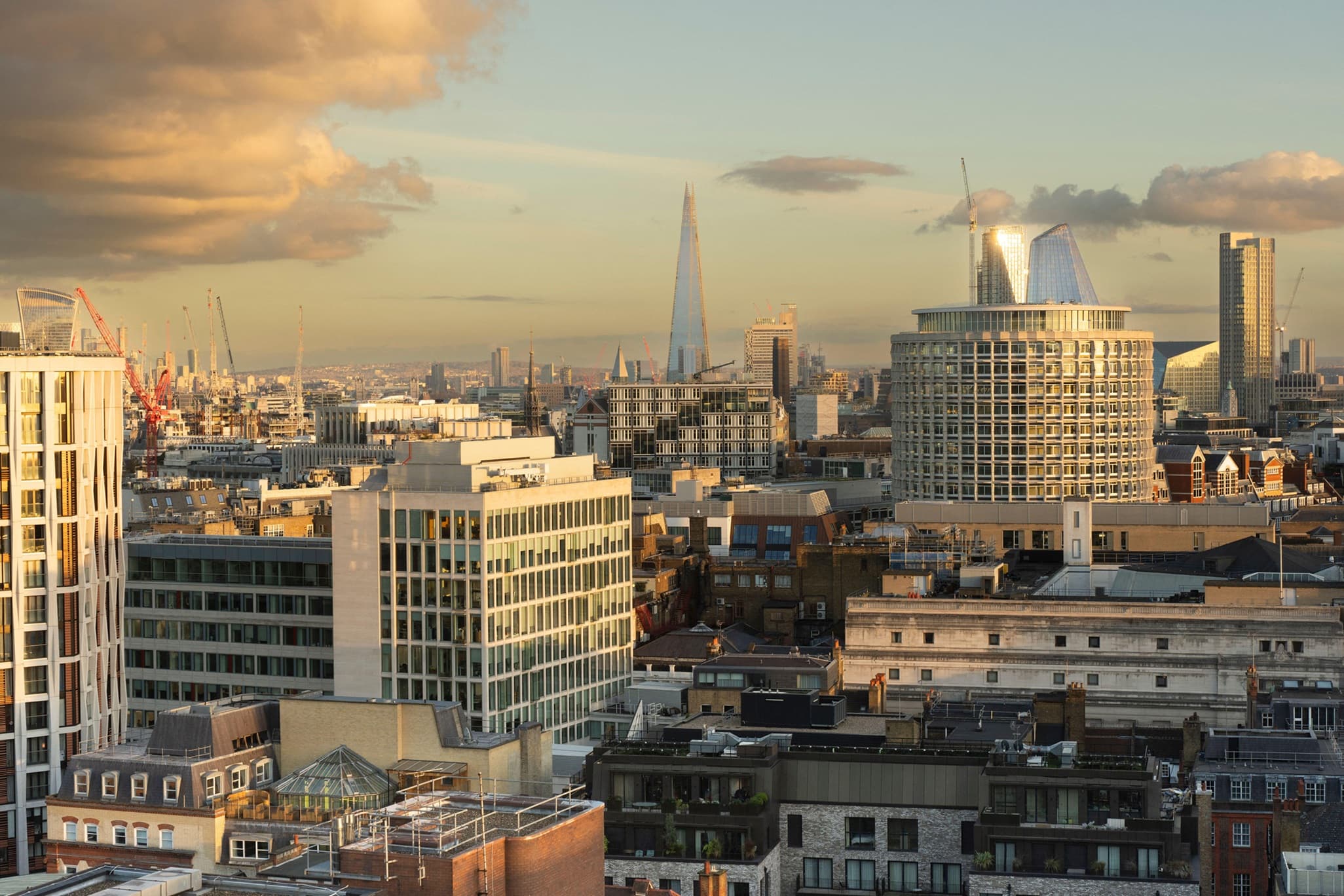
If you manage, own, lease, or control premises in London, you need to understand your fire safety responsibilities clearly. A Fire Risk Assessment London service helps you identify fire hazards, protect occupants, comply with legal duties, and reduce the likelihood of serious enforcement action or fire-related loss.
London presents unique fire safety challenges. The city contains high-rise residential buildings, historic conversions, mixed-use developments, commercial towers, hotels, schools, warehouses, healthcare facilities, retail premises, and complex transport-linked buildings. Many properties operate continuously with high occupancy levels, multiple tenants, and complicated escape arrangements. These factors increase fire risk and demand a structured, competent approach to assessment and management.
A suitable and sufficient fire risk assessment is a legal requirement under the Regulatory Reform (Fire Safety) Order 2005. The duty applies across England and Wales and affects most non-domestic premises and the common parts of residential buildings.
This guide explains how Fire Risk Assessment London services work, who needs them, what standards apply, what assessors inspect, and how you can use the assessment to improve compliance and reduce risk.
What Is a Fire Risk Assessment?
A fire risk assessment identifies fire hazards, evaluates the risks those hazards create, reviews the adequacy of existing fire precautions, and determines whether further action is required.
PAS 79-1:2020 defines a fire risk assessment as:
“the process of identifying fire hazards and evaluating the risks to people arising from them, taking into account the adequacy of existing fire precautions, and deciding whether or not the fire risk is acceptable without further fire precautions”
The assessment should not simply produce a checklist. A competent assessment examines how people use the building, how fire could start, how smoke and fire could spread, how occupants would evacuate, and whether management systems are effective.
The final report should include:
- Significant findings
- Fire hazards identified
- Existing fire precautions
- Risk evaluation
- Persons at risk
- Deficiencies and non-compliances
- Prioritised action plan
- Recommendations for ongoing management and review
Why Fire Risk Assessment London Services Matter
London contains one of the UK’s most varied and densely occupied built environments. Many buildings include:
- Multiple occupancy arrangements
- Basement accommodation
- Historic construction
- Compartmentation defects
- Complex escape routes
- Large numbers of visitors
- Mixed residential and commercial uses
- High-rise evacuation considerations
- External wall system concerns
The consequences of poor fire safety management in London can be severe. Enforcement action by the London Fire Brigade can include:
- Alterations notices
- Enforcement notices
- Prohibition notices
- Criminal prosecution
- Unlimited fines
- Imprisonment in serious cases
Beyond legal compliance, poor fire safety creates operational and reputational risks. A serious fire can stop business operations, displace residents, invalidate insurance positions, and create substantial remediation costs.
A professionally delivered Fire Risk Assessment London service helps you identify problems before they become enforcement or life safety issues.
Who Needs a Fire Risk Assessment in London?
Most non-domestic premises require a fire risk assessment. Common examples include:
- Offices
- Retail units
- Restaurants and bars
- Warehouses
- Industrial premises
- Schools and colleges
- Hotels
- Healthcare premises
- Places of worship
- Leisure facilities
- Construction-related occupied premises
- Residential blocks with common areas
- Mixed-use developments
Landlords and managing agents also require assessments for the common parts of residential buildings, including:
- Stair cores
- Corridors
- Lobbies
- Plant rooms
- Bin stores
- Roof spaces
- External escape routes
The Fire Safety Order applies to these common areas.
Who Is the Responsible Person?
The Fire Safety Order places duties on the “responsible person”.
Depending on the building structure and management arrangement, this may include:
- Employers
- Building owners
- Freeholders
- Managing agents
- Facilities managers
- Commercial tenants
- Operators of licensed premises
In multi-occupied London buildings, several dutyholders may share responsibilities.
PAS 79-1 recognises this directly and notes that there may be more than one dutyholder within premises.
You cannot transfer legal responsibility entirely to a consultant. Even where you appoint an external assessor, the responsible person retains ultimate accountability for the adequacy of the assessment and implementation of recommendations.
Legal Requirements for Fire Risk Assessment London
The key legislation is the Regulatory Reform (Fire Safety) Order 2005.
The legislation requires the responsible person to carry out a “suitable and sufficient” assessment of fire risks to relevant persons. PAS 79-1 explains this requirement in detail and confirms that the assessment should identify the general fire precautions necessary to comply with legislation.
The Fire Safety (England) Regulations 2022 introduced additional duties for residential buildings, especially higher-risk residential buildings.
These regulations impose obligations relating to:
- Fire door checks
- Wayfinding signage
- Secure information boxes
- Provision of building plans
- Information sharing with residents
- Lift and firefighting equipment checks
London contains a significant number of high-rise residential buildings affected by these requirements.
New Residential Evacuation Duties in 2026
Fire safety obligations for residential buildings continue to evolve.
The Fire Safety (Residential Evacuation Plans) (England) Regulations 2025 come into force on 6 April 2026.
These regulations apply to specified residential buildings, including many taller London residential blocks. They introduce duties relating to:
- Identification of residents requiring evacuation assistance
- Person-centred fire risk assessments
- Emergency evacuation statements
- Building emergency evacuation plans
- Information sharing with fire and rescue authorities
The regulations apply to buildings that:
- Are at least 18 metres in height
- Have at least seven storeys
- Or exceed 11 metres and operate simultaneous evacuation strategies
This development makes competent Fire Risk Assessment London services even more important for residential dutyholders and managing agents.
PAS 79-1 and BS 9792: Understanding the Standards
Many clients confuse PAS 79 and BS 9792. The distinction matters.
PAS 79-1:2020 applies to premises other than housing.
It provides a structured methodology for non-domestic fire risk assessments and sets out a recognised framework for competent assessors.
BS 9792 applies to housing fire risk assessments. It replaced PAS 79-2 and now provides guidance for residential premises and common parts.
This distinction matters because many London developments are mixed-use buildings containing:
- Commercial space
- Retail areas
- Residential apartments
- Shared plant and circulation spaces
In these situations, assessors often need to consider both standards.
What Does a Fire Risk Assessment London Survey Include?
A competent fire risk assessment typically includes a physical inspection and review of management systems.
The assessor normally reviews:
Means of Escape
- Escape route layouts
- Travel distances
- Final exits
- Stair protection
- Refuge arrangements
- Emergency evacuation strategies
- Exit signage
Fire Detection and Alarm Systems
- Alarm category suitability
- Detector coverage
- Maintenance records
- False alarm management
- Audible alarm effectiveness
Emergency Lighting
- Coverage adequacy
- Test records
- Escape route illumination
- Luminaire condition
Fire Doors
- Certification where available
- Self-closing operation
- Intumescent strips and smoke seals
- Damage and gaps
- Hold-open devices
Compartmentation
- Service penetrations
- Fire stopping defects
- Ceiling void breaches
- Risers and shafts
- Structural separation
Firefighting Equipment
- Extinguisher provision
- Hose reels
- Dry risers
- Wet risers
- Sprinkler systems
Fire Safety Management
- Training records
- Fire drills
- Maintenance arrangements
- Contractor controls
- Housekeeping standards
- Hot works procedures
External Wall Considerations
Modern London buildings increasingly require assessors to consider external wall risks and cladding issues.
PAS 79-1 specifically references external wall construction and cladding considerations arising from the Grenfell Tower fire.
Where necessary, a separate FRAEW assessment under PAS 9980 may also be required.
Common Problems Found During Fire Risk Assessments in London
Many London properties contain recurring fire safety issues.
Common findings include:
- Wedged open fire doors
- Poor compartmentation above ceilings
- Unsealed service penetrations
- Inadequate fire alarm coverage
- Excessive storage in escape routes
- Missing emergency lighting
- Poor record keeping
- Inadequate resident communication
- Defective self-closing devices
- Poorly managed contractors
- Incomplete evacuation planning
In converted buildings, assessors frequently identify historic alterations that compromise fire separation or means of escape.
High occupancy levels and ongoing refurbishment activity in London buildings often increase risk further.
Fire Risk Assessment London for Offices
London offices range from small serviced spaces to major commercial towers.
Office fire risk assessments focus heavily on:
- Occupancy levels
- Escape capacity
- Electrical ignition risks
- Server room protection
- Evacuation management
- Staff training
- Disabled evacuation procedures
Hybrid working arrangements have also changed occupancy patterns. Buildings may experience inconsistent occupancy and changing tenant configurations. Fire safety management arrangements should reflect these operational realities.
Fire Risk Assessment London for Residential Buildings
Residential fire risk assessments commonly apply to:
- Purpose-built flats
- High-rise blocks
- Student accommodation
- Build-to-rent developments
- Supported housing
- Mixed-use schemes
Residential assessments often focus heavily on:
- Stay put strategies
- Compartmentation integrity
- Smoke control systems
- Fire doors
- Resident information
- Evacuation arrangements
- External wall systems
London managing agents increasingly require integrated fire safety management approaches combining:
- FRA
- FRAEW
- Fire door inspections
- Compartmentation surveys
- Resident engagement
- Golden thread information
Fire Risk Assessment London for Heritage Buildings
London contains many listed and historic buildings.
These premises create particular challenges because fire safety improvements must often balance:
- Heritage protection
- Structural limitations
- Occupant safety
- Operational practicality
Competent assessors use risk-proportionate approaches rather than relying solely on modern prescriptive standards.
PAS 79-1 recognises that older buildings may have been designed to standards acceptable at the time of construction.
Assessors therefore need experience in applying practical and proportionate recommendations to heritage assets.
How Often Should a Fire Risk Assessment Be Reviewed?
A fire risk assessment is not a one-off exercise.
You should review the assessment regularly and whenever significant changes occur.
Typical review triggers include:
- Building alterations
- Change of use
- Increase in occupancy
- New tenants
- Fire incidents
- Enforcement action
- Significant defects identified
- Changes to evacuation strategy
Higher-risk London buildings may require more frequent formal reviews.
Best practice often includes annual reviews combined with periodic full reassessments depending on building complexity and risk profile.
Choosing a Competent Fire Risk Assessor in London
Competence matters significantly.
PAS 79-1 places strong emphasis on assessor competence and recognises the importance of appropriate knowledge, training, and practical experience.
When appointing a Fire Risk Assessment London provider, you should consider:
- Professional qualifications
- Third-party certification
- Experience with similar premises
- Knowledge of London building types
- Understanding of current legislation
- Clarity of reporting
- Quality of action plans
- Professional indemnity insurance
A low-cost assessment that fails to identify major issues may create substantial future liability.
What Happens After the Assessment?
The assessment itself is only part of the process.
You must also:
- Review the findings
- Prioritise actions
- Allocate budgets
- Implement improvements
- Maintain records
- Train staff
- Review procedures
- Monitor ongoing compliance
Action plans should prioritise life safety issues first.
Examples may include:
- Fire door remediation
- Alarm upgrades
- Compartmentation repairs
- Emergency lighting improvements
- Evacuation planning updates
Effective fire safety management requires ongoing attention rather than a reactive approach.
Why London Buildings Need Specialist Fire Safety Expertise
London properties often require specialist knowledge because of:
- Complex occupancy arrangements
- Tall building strategies
- Historic structures
- Transport infrastructure interfaces
- Mixed-use configurations
- Cladding considerations
- High resident density
- Premium commercial environments
Assessors working in London need practical experience with these building types and operational challenges.
Generic template-based assessments rarely provide sufficient detail for complex premises.
FAQs: Fire Risk Assessment London
Is a Fire Risk Assessment a legal requirement in London?
Yes. Most non-domestic premises and residential common areas require a suitable and sufficient fire risk assessment under the Regulatory Reform (Fire Safety) Order 2005.
How much does a Fire Risk Assessment London service cost?
Costs vary depending on building size, complexity, occupancy type, and risk profile. Small office assessments may cost several hundred pounds, while large or complex multi-occupied buildings may require significantly more detailed surveys and reporting.
How long does a fire risk assessment take?
A small premises assessment may take a few hours. Complex London buildings can require multiple site visits, intrusive investigations, document reviews, and coordination with managing agents or contractors.
Who can carry out a fire risk assessment?
The law allows responsible persons to complete their own assessments if competent. However, many London buildings require specialist knowledge and experienced third-party assessors.
Does a residential block require a fire risk assessment?
Yes. The common parts of residential buildings require assessment. Additional duties may also apply under the Fire Safety (England) Regulations 2022 and the Fire Safety (Residential Evacuation Plans) (England) Regulations 2025.
What is the difference between an FRA and FRAEW?
An FRA assesses general fire risks within premises. An FRAEW specifically examines external wall systems and cladding fire risks under PAS 9980 methodology.
How often should fire doors be inspected?
Inspection frequency depends on building type and risk profile. Residential buildings covered by the Fire Safety (England) Regulations 2022 have specific legal requirements for routine fire door checks.
Can the London Fire Brigade inspect my building?
Yes. The London Fire Brigade acts as the enforcing authority for fire safety legislation and may inspect premises to assess compliance.
What happens if I do not have a fire risk assessment?
Failure to carry out a suitable and sufficient assessment may result in enforcement action, prosecution, substantial fines, or imprisonment in serious cases.
What buildings need evacuation plans under the 2025 Regulations?
The Fire Safety (Residential Evacuation Plans) (England) Regulations 2025 apply to certain taller residential buildings and introduce obligations relating to residents who may require evacuation assistance.
Conclusion
Fire Risk Assessment London services play a critical role in legal compliance, life safety, and operational risk management.
London buildings present unique fire safety challenges because of their density, complexity, age, occupancy patterns, and evolving regulatory obligations. A suitable and sufficient fire risk assessment helps you identify hazards, understand risk exposure, and implement practical measures to protect occupants and property interests.
The legal framework continues to evolve, particularly for residential buildings. Dutyholders who adopt a proactive approach to fire safety management place themselves in a stronger position to comply with legislation, satisfy insurers, protect residents and staff, and reduce long-term remediation and enforcement risks.
Competent assessment, clear action planning, and ongoing management remain the foundation of effective fire safety compliance across London’s built environment.
Need help with a Fire Risk Assessment?
Anstey Horne’s expert team of fire safety professionals are here to assist with legally compliant fire risk assessments, retrospective fire strategies, and FRAEW appraisals for commercial and residential buildings across the UK. Whether you manage a single block or a national portfolio, we can help you stay safe and compliant.
Get in touch with us today to arrange a no-obligation consultation - please call 020 4534 3130.
If you would rather we called you instead, please fill in our Contact form and we will be in touch.
For further information on all aspects of this service see the collection of articles in our blog.
To commission a Fire Risk Assessment please call 020 4534 3130.
For further information on Fire Risk Assessment, Retrospective Fire Strategies, FRAEWs or advice in respect of your obligations as a building owner, developer or manager, please contact :

Stuart Barrow
AIFireE, MIFSM
Director, Head of Fire Safety
Fire Consultancy
London

Sarah Taylor
Business Support Manager
Building Surveying
London