Fire safety compliance has become one of the most significant challenges facing building owners, developers, housing providers, managing agents and investors across London. Following the Grenfell Tower tragedy, changes in legislation, increased scrutiny from regulators, lender requirements and the introduction of the Building Safety Act 2022 have placed greater emphasis on understanding how existing buildings perform in a fire. This is where a retrospective fire strategy in London becomes essential.
Many buildings across London were constructed decades ago, converted from other uses, altered repeatedly over time, or developed under historic Building Regulations standards. In many cases, the original fire strategy is incomplete, unavailable, out of date or no longer reflects the building as it currently exists.
If you are responsible for an existing building, understanding what a retrospective fire strategy involves and what to expect from the process can help you manage risk, demonstrate compliance and plan remediation works effectively.
In this guide, we explain everything clients need to know about obtaining a retrospective fire strategy London assessment, including when one is required, what the process involves, what information is needed and how the resulting report can support compliance and building safety objectives.
What Is a Retrospective Fire Strategy?
A retrospective fire strategy is a detailed technical assessment of an existing building that evaluates how the building achieves an acceptable level of fire safety.
Unlike a fire strategy prepared during the design stage of a new development, a retrospective fire strategy examines a building that has already been constructed and occupied.
The assessment reviews:
- Means of escape
- Fire compartmentation
- Fire doors
- Smoke control systems
- Structural fire protection
- Active fire protection systems
- Fire service access
- Firefighting facilities
- Evacuation arrangements
- Building management procedures
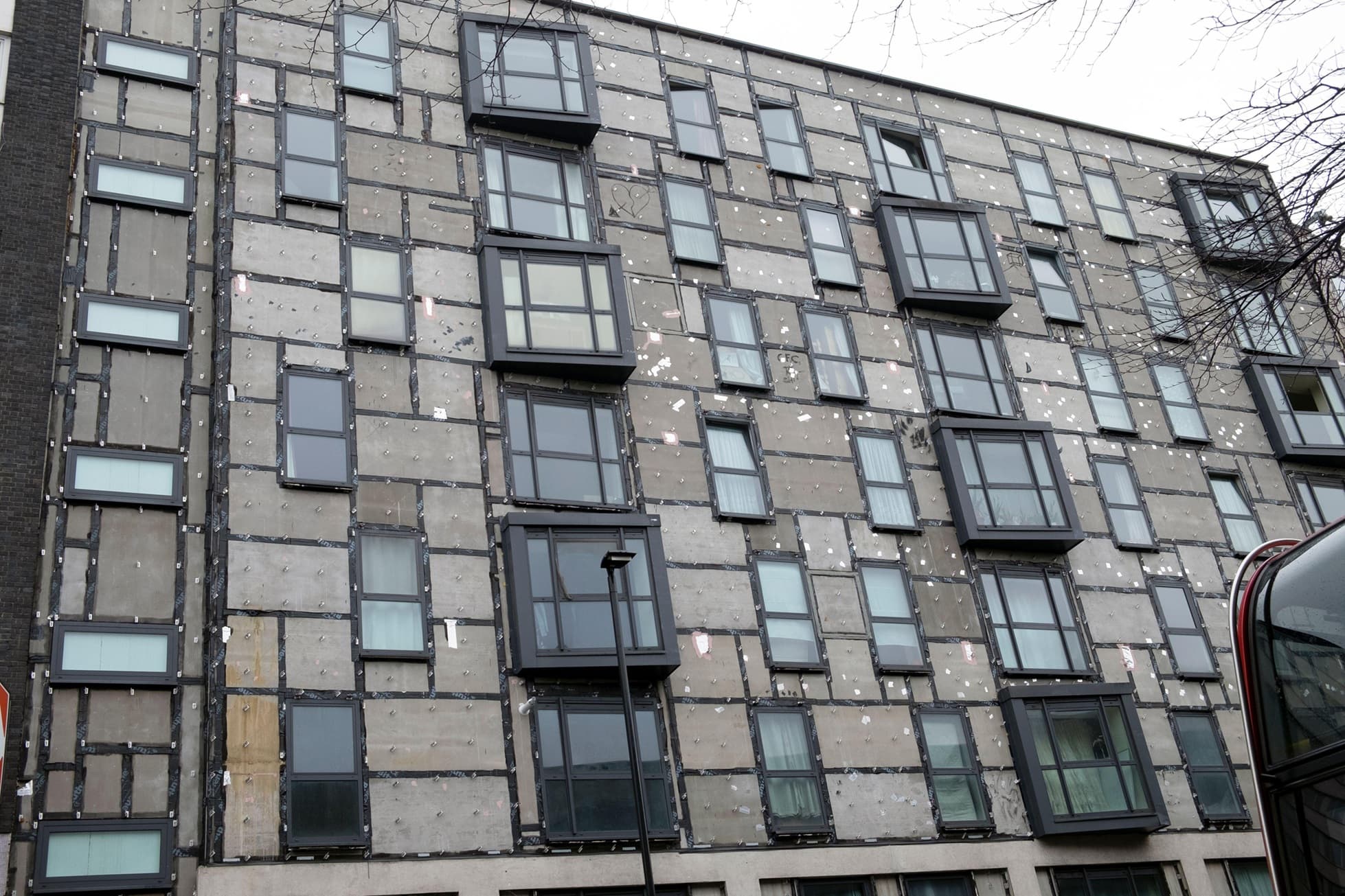
- External wall construction
- Fire safety information and documentation
The objective is to understand how the building currently performs in a fire and identify whether any deficiencies, risks or compliance issues require attention.
A retrospective fire strategy often forms the foundation for future fire safety improvements and remediation programmes.
Why Are Retrospective Fire Strategies Increasingly Important in London?
London contains one of the UK’s most diverse building stocks.
Many buildings have undergone:
- Office-to-residential conversions
- Loft extensions
- Additional storeys
- Internal reconfigurations
- Change of use applications
- Refurbishment projects
- Cladding replacement works
- Building safety upgrades
Over time, these changes can significantly alter the assumptions that originally underpinned a building’s fire safety design.
In some cases, no original fire strategy exists.
In others, available fire strategies no longer accurately reflect the building.
As a result, clients increasingly commission retrospective fire strategy London assessments to establish a clear understanding of fire safety performance and identify any remedial actions required.
When Is a Retrospective Fire Strategy Needed?
A retrospective fire strategy may be required in numerous circumstances.
Missing Fire Safety Information
Many older buildings lack complete fire safety records.
Original drawings may be unavailable, fire strategies may never have been prepared, or documentation may have been lost through multiple ownership changes.
A retrospective fire strategy provides a structured assessment where historical information is unavailable.
Building Safety Act Requirements
Higher-risk residential buildings are subject to extensive regulatory requirements.
Accountable Persons and Principal Accountable Persons must understand how their buildings manage fire and structural safety risks.
A retrospective fire strategy can support compliance and provide evidence for safety case preparation.
Cladding Remediation Projects
Many external wall remediation schemes require a detailed understanding of the building’s fire safety provisions before design work can commence.
The retrospective fire strategy often becomes a key document supporting remediation planning.
Building Alterations
Where significant alterations have occurred over time, the original fire design assumptions may no longer be valid.
The assessment identifies whether current arrangements remain appropriate.
Fire Risk Assessment Findings
A fire risk assessment may identify concerns relating to:
- Means of escape
- Compartmentation
- Fire doors
- Smoke control
- Fire service access
A retrospective fire strategy provides a more detailed engineering review to understand these issues.
Lender or Insurer Requirements
Mortgage lenders, investors and insurers increasingly seek evidence that fire risks have been properly assessed and managed.
A retrospective fire strategy can provide technical justification and support decision-making.
What Does a Retrospective Fire Strategy Assessment Involve?
A professional retrospective fire strategy London assessment generally follows a structured methodology.
1. Initial Information Review
The process typically begins with a desktop review of available information.
This may include:
- Existing drawings
- Fire risk assessments
- Building control approvals
- Historic fire strategies
- O&M manuals
- Fire alarm documentation
- Smoke control reports
- Fire door surveys
- FRAEW reports
- Cladding assessments
The review helps establish the building’s history and identifies information gaps.
2. Site Inspection
The next stage involves a detailed site survey.
The fire engineer assesses the building’s actual condition and compares this with available documentation.
Inspections may examine:
- Escape routes
- Protected stairways
- Common corridors
- Fire doors
- Compartment walls
- Service penetrations
- Smoke ventilation systems
- Fire alarm systems
- Sprinkler installations
- Firefighting shafts
- Dry risers
- External wall systems
Depending on the building, intrusive investigations may also be required.
3. Assessment of Fire Safety Measures
The fire engineer evaluates how individual fire safety systems work together to achieve overall life safety objectives.
This may involve reviewing:
- Occupant evacuation arrangements
- Travel distances
- Stair capacities
- Smoke control effectiveness
- Fire resistance provisions
- Structural fire protection
- Active fire protection measures
The assessment considers the building as a complete fire safety system rather than reviewing individual elements in isolation.
4. Compliance Review
The building is assessed against relevant legislation, guidance and standards.
This may include consideration of:
Approved Document B guidance for means of escape, compartmentation, external fire spread and firefighting access.
BS 9991 recommendations for residential buildings, including means of escape, smoke control, compartmentation and management arrangements.
BS 7974 fire engineering principles where performance-based analysis is required.
The assessment also considers the age and construction of the building, recognising that historic buildings may have been designed under earlier standards.
5. Identification of Deficiencies
The report identifies any deficiencies that may affect fire safety performance.
Examples include:
- Missing compartmentation
- Defective fire doors
- Inadequate smoke ventilation
- Excessive travel distances
- Inadequate firefighting facilities
- Poor fire stopping
- Unprotected structural elements
- Deficient evacuation arrangements
Each issue is typically categorised according to risk and priority.
6. Recommendations
The final stage provides practical recommendations for improvement.
Recommendations may include:
- Remedial works
- Further investigations
- Fire engineering analysis
- Management measures
- Maintenance improvements
- Additional surveys
The objective is to provide a clear and proportionate route towards compliance.
What Does the Final Report Contain?
A comprehensive retrospective fire strategy London report generally includes:
Building Description
- Location
- Occupancy
- Height
- Construction type
- Use classification
Fire Safety Objectives
The report identifies the life safety objectives that the building should achieve.
Existing Fire Safety Provisions
A detailed review of all passive and active fire protection measures.
Compliance Assessment
Analysis of how the building compares with current guidance and standards.
Risk Assessment
Identification of significant fire safety concerns.
Recommendations
Prioritised actions with technical justification.
Conclusions
A summary of overall fire safety performance and required next steps.
How Long Does a Retrospective Fire Strategy Take?
Timescales vary depending on building size and complexity.
For a typical residential block:
- Desktop review: approximately one week
- Site inspection: one day to several days
- Report preparation: two to four weeks
More complex buildings may require additional investigation work.
Where intrusive surveys are needed, programmes may extend further.
Who Commissions a Retrospective Fire Strategy?
Common clients include:
- Freeholders
- Managing agents
- Housing associations
- Local authorities
- Resident management companies
- Developers
- Investors
- Asset managers
- Educational institutions
- Healthcare providers
Increasingly, building owners commission retrospective fire strategies proactively to reduce future risk and avoid delays during transactions or remediation projects.
How Does a Retrospective Fire Strategy Differ from a Fire Risk Assessment?
This is one of the most common points of confusion.
A fire risk assessment focuses primarily on management arrangements, fire hazards and day-to-day operational risks.
A retrospective fire strategy is significantly broader.
It examines the building’s physical fire safety design and engineering principles.
While both documents are important, they serve different purposes.
A fire risk assessment identifies hazards and management actions.
A retrospective fire strategy evaluates whether the building’s design provides an appropriate level of fire safety.
Many buildings benefit from both.
Does a Retrospective Fire Strategy Include External Wall Assessments?
Not necessarily.
However, external wall construction is often reviewed as part of the assessment.
Where concerns exist regarding cladding, insulation, cavity barriers or combustible materials, further investigation may be recommended.
The retrospective fire strategy often works alongside:
- FRAEW surveys
- PAS 9980 assessments
- EWS1 assessments
- Cladding remediation programmes
Together, these documents provide a comprehensive understanding of building fire safety.
Benefits of a Retrospective Fire Strategy
A professionally prepared retrospective fire strategy London report provides several important benefits.
Improved Understanding
Clients gain a detailed understanding of how their building performs in a fire.
Compliance Support
The report supports compliance with modern regulatory expectations.
Risk Reduction
Identifying deficiencies enables proactive remediation before issues escalate.
Better Investment Decisions
Owners can budget and prioritise works more effectively.
Support for Building Safety Cases
Higher-risk buildings can use the assessment to support Building Safety Act obligations.
Increased Confidence
Lenders, insurers, residents and regulators gain confidence that fire safety has been properly considered.
Choosing the Right Fire Engineer
The quality of a retrospective fire strategy depends heavily on the competence and experience of the assessor.
Clients should look for consultants with expertise in:
- Existing buildings
- Fire engineering
- Building Regulations
- Residential buildings
- External wall systems
- Building safety legislation
- Cladding remediation
A multidisciplinary consultancy can often provide additional value by coordinating related surveys and remediation advice.
Why Choose Anstey Horne?
Anstey Horne provides specialist retrospective fire strategy London services for residential, mixed-use and commercial buildings throughout the capital.
Our fire engineers work closely with building owners, managing agents, developers and housing providers to understand how existing buildings perform and identify practical, proportionate solutions.
Our services include:
- Retrospective fire strategies
- FRAEW surveys
- Fire engineering assessments
- External wall reviews
- Building safety consultancy
- Cladding remediation support
- Fire risk assessment support
- Building Safety Act compliance advice
We focus on delivering clear, evidence-based recommendations that support compliance while recognising the practical realities of managing existing buildings.
Conclusion
Demand for retrospective fire strategy London assessments continues to grow as building owners face increasing regulatory scrutiny and heightened expectations around fire safety.
Whether documentation is missing, remediation works are planned, a building has been altered over time, or compliance concerns have been identified, a retrospective fire strategy provides a structured and technically robust assessment of how a building performs in a fire.
The process delivers far more than a simple compliance review. It creates a comprehensive understanding of fire safety performance, identifies deficiencies, prioritises improvements and provides a clear roadmap towards safer, more resilient buildings.
For London building owners, developers and managing agents, commissioning a retrospective fire strategy is increasingly becoming an essential part of responsible building management.
Frequently Asked Questions
What is a retrospective fire strategy?
A retrospective fire strategy is a detailed assessment of an existing building’s fire safety design, examining how the building achieves life safety objectives and identifying any deficiencies that require remediation.
Who needs a retrospective fire strategy in London?
Freeholders, housing associations, developers, managing agents, local authorities and building owners often require retrospective fire strategies to support compliance, remediation projects and building safety obligations.
Is a retrospective fire strategy a legal requirement?
Not specifically. However, it is often required to demonstrate compliance, support Building Safety Act obligations, satisfy lenders or insurers, and inform remediation works.
How much does a retrospective fire strategy cost?
Costs vary depending on building size, complexity, occupancy type and whether intrusive investigations are required.
How long does a retrospective fire strategy take?
Most projects take between three and six weeks, although complex buildings may require additional investigation and analysis.
Does a retrospective fire strategy replace a fire risk assessment?
No. The two documents serve different purposes. A fire risk assessment focuses on fire hazards and management arrangements, while a retrospective fire strategy assesses the building’s fire safety design.
Can a retrospective fire strategy identify cladding issues?
Yes. The assessment may identify concerns relating to external wall construction and recommend further investigation such as a FRAEW or PAS 9980 assessment.
What buildings commonly require retrospective fire strategies?
Residential blocks, mixed-use developments, office conversions, student accommodation, care facilities and older buildings frequently benefit from retrospective fire strategy assessments.
Can a retrospective fire strategy help with Building Safety Act compliance?
Yes. The report can support safety case preparation, risk management and broader Building Safety Act obligations for higher-risk buildings.
Why should I appoint Anstey Horne?
Anstey Horne combines fire engineering expertise with extensive experience in building safety, external wall assessments, remediation projects and regulatory compliance, providing practical solutions tailored to existing buildings.
How we can help – Retrospective Fire Strategy London
If you need a retrospective fire strategy for a single building or a portfolio, we can scope, survey, and produce a clear, actionable plan that prioritises life-safety critical items and aligns with your budgets and programme. We combine survey expertise with fire engineering, integrate FRAEW where needed, and deliver a living document that supports lenders, insurers, and regulators while keeping occupants safe.
To commission a retrospective fire strategy in London, share your address, height and use, the latest FRA, any known issues, and your target timescales. We will respond with a tailored scope, programme, and fee that suits the risk profile of your asset.
To commission a retrospective fire strategy please call 020 4534 3130.
For further information on Retrospective Fire Strategies please fill in our contact form and we will be in touch.
For further information on all aspects of this service see the collection of articles in our blog.