Fire Risk Assessments Nottingham
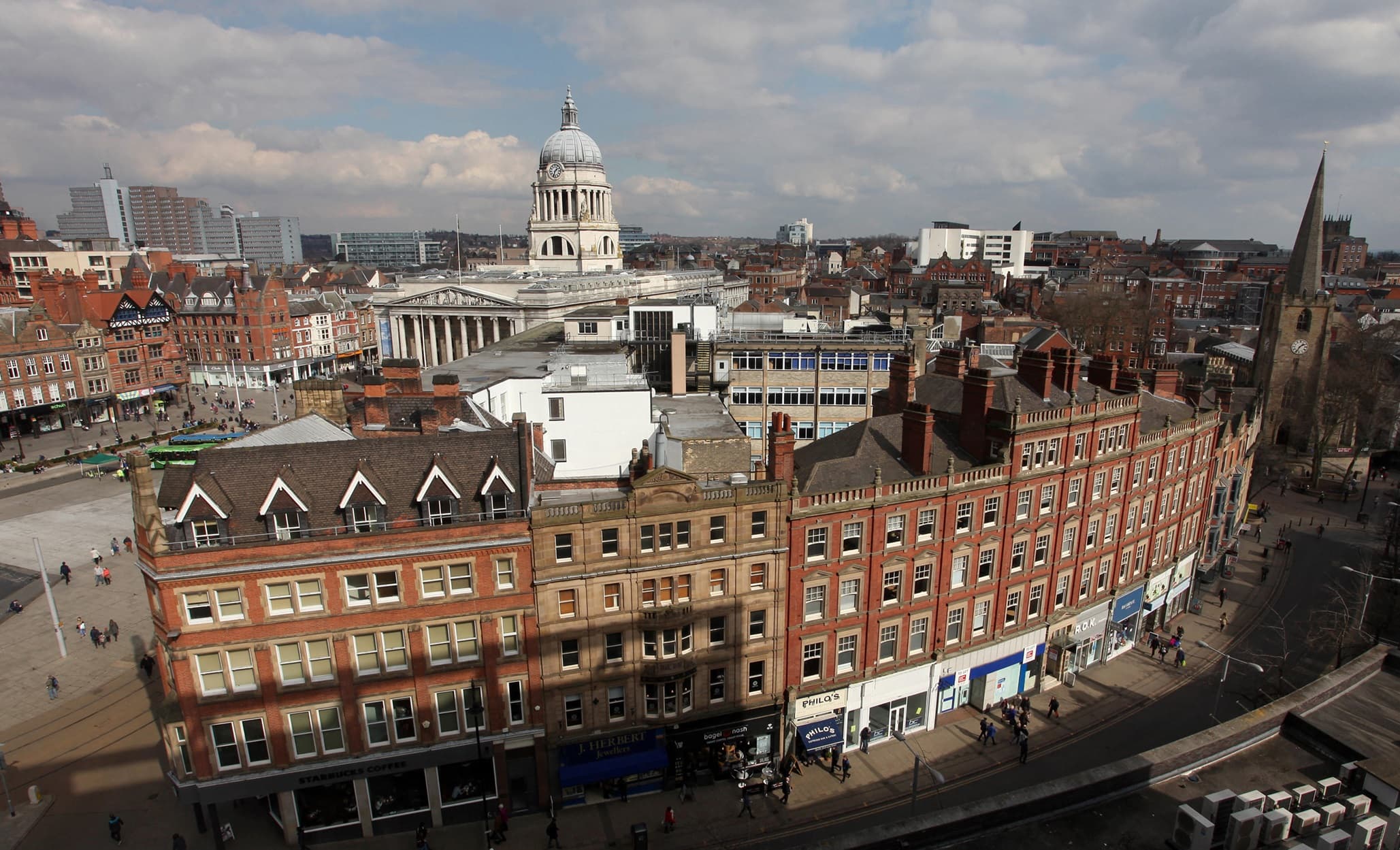
If you manage, own, or operate premises in Nottingham, you need a fire risk assessment that matches your building type, your occupancy, and your legal duties. A Fire Risk Assessment for Nottingham covers a wide range of premises, from city-centre offices and retail units to industrial sites, care environments, HMOs, and blocks of flats with communal areas. Your assessment must do more than “tick boxes”. It must identify credible fire hazards, evaluate risk to people, confirm the adequacy of existing fire precautions, and set out a practical action plan that you can deliver.
In England and Wales, the Regulatory Reform (Fire Safety) Order 2005 places a clear duty on the responsible person to take general fire precautions and to carry out a suitable and sufficient risk assessment. The Order also requires you to keep the assessment up to date through regular review, and to record significant findings and measures taken.
Nottinghamshire Fire and Rescue Service enforces fire safety law for many premises in the county and can take action where responsible persons fail to comply. You can also request a fire safety advice visit, but the service makes clear it cannot complete a fire risk assessment for you. That means you need a competent assessor and a defined scope that aligns with the legal framework and the right guidance documents for your building.
This service description explains exactly what you get when you commission Fire Risk Assessments Nottingham, how we carry them out, and how we apply PAS 79-1 for non-housing premises and BS 9792 for housing.
Why You Need Fire Risk Assessments Nottingham
You need a Fire Risk Assessments in Nottingham if any of the following apply:
- You employ people, serve the public, or control a workplace or non-domestic premises
- You manage the common parts of a block of flats or mixed-use building
- You operate premises with sleeping risk such as hotels, HMOs, supported living, or certain care settings
- You run public-facing spaces with variable occupancy such as bars, gyms, places of assembly, or venues
- You occupy older buildings with complex layouts, protected routes, or legacy fire safety measures
- You plan to change your layout, tenancy arrangements, use class, or staffing model
- You receive enforcement correspondence or an audit request from Nottinghamshire Fire and Rescue Service
A good fire risk assessment gives you three outcomes:
- A clear view of the life safety risk in your premises
- A prioritised action plan that you can deliver with realistic timescales
- A defensible record that shows you manage fire safety actively and systematically, not reactively
Legal Duties You Must Meet
The Fire Safety Order places the primary duty on the responsible person to take general fire precautions and to make a suitable and sufficient fire risk assessment, with regular review where it may no longer remain valid or where significant change occurs.
For residential buildings with communal areas, additional duties apply under the Fire Safety (England) Regulations 2022, in force from 23 January 2023. These include duties around providing information, and specific fire door checking regimes. For example, in buildings above 11 metres with two or more sets of domestic premises, you must use best endeavours to check flat entrance fire doors at least every 12 months and check communal fire doors at least every 3 months, including self-closers, and keep records.
You also need to understand how building information supports ongoing fire safety management. Regulation 38 of the Building Regulations requires fire safety information to be handed over to the responsible person when relevant building work completes or the building becomes occupied. That information should support implementation of the fire safety strategy, maintenance of systems, and an effective fire risk assessment.
From 6 April 2026, further requirements apply in England under the Fire Safety (Residential Evacuation Plans) (England) Regulations 2025. These Regulations require a building emergency evacuation plan for specified residential buildings and introduce person-centred fire risk assessment duties linked to residents whose ability to evacuate without assistance may be compromised. The building emergency evacuation plan must be reviewed at least every 12 months and updated sooner where needed. The Regulations define specified residential buildings by height, storeys, and whether the building operates a simultaneous evacuation strategy.
In practice, Fire Risk Assessments Nottingham must align with this legal landscape, not sit alongside it as a separate document.
Which Standard Applies. PAS 79-1 for Non-Housing. BS 9792 for Housing
PAS 79-1 (2020) applies to non-housing fire risk assessments. It supports a structured approach and sets out a nine-step process for completing an FRA, starting with gathering information about the premises and occupants, then identifying hazards and control measures, and moving through assessment of likelihood, protection measures, management arrangements, and action planning. PAS 79-1 also links directly to Article 9 of the Fire Safety Order and explains the duty to make a suitable and sufficient assessment.
BS 9792 (2025) applies to housing. It provides a code of practice and a model pro forma for documenting an FRA. If a competent person completes the pro forma properly, the format and scope should satisfy the recommendations of the standard. BS 9792 also sets expectations for recording key life safety features relevant to housing, including systems and facilities for fire and rescue service use such as dry or wet mains, hydrants, access, lifts for firefighters, secure information boxes, evacuation alert systems, smoke control systems, and wayfinding signage. It also highlights secure information boxes as a legal requirement for some buildings and expects the FRA to verify that relevant information gets reviewed by the dutyholder.
So when you commission Fire Risk Assessments Nottingham, we start by confirming your building type and selecting the correct framework:
- Non-housing premises. We apply PAS 79-1 as the core methodology and reporting structure.
- Housing premises and residential common parts. We apply BS 9792 as the core methodology and reporting structure.
- Mixed-use buildings. We split scope by use and apply each framework where it fits, while keeping one joined-up action plan that avoids duplicated or conflicting recommendations.
What You Get From Our Fire Risk Assessments Nottingham Service
1. Scope Definition and Pre-Assessment Information Gathering
We start every Fire Risk Assessments Nottingham instruction by defining scope properly. This is where many poor FRAs fail.
For non-housing premises we gather the “given factors” that PAS 79-1 expects you to collect early, typically via management interview and document review. PAS 79-1 emphasises early collection of information about the premises, processes, occupants, and those especially at risk, as well as reviewing relevant existing documentation such as the building’s fire strategy and Regulation 38 handover information.
For housing premises we gather the building profile needed for BS 9792 documentation and confirm whether additional duties apply, such as secure information box requirements, wayfinding, evacuation alert systems, and inspection and maintenance regimes for fire safety systems.
You can speed this stage up by providing:
- Existing FRA and action plan history
- Fire alarm and emergency lighting certificates and logbooks
- Fire door inspection records, including the checks required by the Fire Safety (England) Regulations 2022 where applicable
- As-built plans and fire strategy documents, including Regulation 38 information where available
- Maintenance contracts, inspection schedules, and recent remedial works evidence
- Occupancy details and operating hours
- Details of vulnerable occupants, sleeping risk, and any evacuation arrangements
2. Site Inspection and Fire Risk Assessment
We carry out a thorough site inspection tailored to your premises. We focus on life safety outcomes, not generic observations.
Non-housing assessment using PAS 79-1
PAS 79-1 defines fire risk assessment as identifying fire hazards, evaluating risks to people, considering existing fire precautions, and deciding whether risk remains acceptable, with an action plan where it does not. We apply that definition practically, usually through these workstreams:
- Fire hazards and ignition sources: electrical, hot works, cooking, storage, arson vulnerability
- Fuel load: storage, waste management, combustible build-ups, displays, and housekeeping
- People at risk: staff, visitors, contractors, lone workers, mobility impairment, sleeping risk
- Means of detection and warning: alarm type, coverage, audibility, zoning, manual call points
- Means of escape: travel distances, route protection, exit capacity, escape lighting, signage
- Compartmentation and fire stopping: obvious defects, service penetrations, door integrity, risers
- Fire doors: correct specification, condition, self-closers, gaps, glazing, misuse, wedging
- Firefighting equipment: extinguishers, hose reels where relevant, staff training and drills
- Fire safety management: training, drills, permits, contractor control, housekeeping, testing regimes
Housing assessment using BS 9792
In housing, you deal with different risk drivers. BS 9792 expects you to cover a wide range of life safety measures that directly affect residents and the fire and rescue service response. For example, BS 9792 expects the FRA to include as a minimum details or descriptions of systems and facilities for use by the fire and rescue service, including smoke control, wayfinding signage, secure information boxes, and evacuation alert systems where relevant. We specifically test the building reality against what the fire strategy assumes, because BS 9792 prompts you to record where systems no longer support the strategy or show lack of maintenance.
We also align findings with relevant duties such as:
- Secure information box: legal requirement for some buildings and a practical control measure for firefighting support. BS 9792 expects the FRA to verify the box exists, contains relevant information, and receives regular review.
- Wayfinding signage: a legal requirement for some buildings.
- Fire doors: statutory checking and record keeping for relevant residential buildings under the Fire Safety (England) Regulations 2022.
- Evacuation strategy: stay put vs simultaneous evacuation, and what triggers review and communication.
- Preparation for Residential Evacuation Plans Regulations coming into force on 6 April 2026, including building emergency evacuation plan review cycles.
3. Risk Evaluation, Prioritised Actions, and Evidence
A useful FRA does two things well:
- It makes the risk understandable.
- It makes the actions deliverable.
For non-housing premises, PAS 79-1 supports a structured, step-by-step approach and expects you to address relevant issues systematically. For housing, BS 9792 provides a model pro forma and expects explicit coverage of key factors, with flexibility on format as long as you satisfy the recommendations of the standard.
Your action plan will typically include:
- Immediate life safety fixes. Items that directly threaten safe escape or early warning
- Short-term compliance tasks. Testing gaps, signage, emergency lighting defects
- Medium-term improvements. Fire door repairs, compartmentation remediation, management systems
- Long-term works. Larger upgrades aligned with planned refurbishments
Where relevant, we support your record keeping duties. For example, if you manage a residential building above 11 metres, the Fire Safety (England) Regulations 2022 require you to keep records of steps taken to comply with fire door checking obligations, including cases where you cannot gain access.
4. Reporting Format and What the Report Looks Like
Fire Risk Assessments Nottingham reports need to be readable for the people who will actually implement them: building managers, facilities teams, dutyholders, and directors.
Non-housing reports follow PAS 79-1 structure. PAS 79-1 includes a widely used reporting template and explicitly frames the report as assisting compliance with Article 9 of the Fire Safety Order.
Housing reports follow BS 9792 structure and pro forma principles. BS 9792 states that proper completion by a competent person should satisfy the standard’s recommendations.
Where your premises includes building features that impact firefighter operations, we record them in line with BS 9792 expectations. For example, BS 9792 lists systems and facilities such as fire mains, hydrants, access, lifts, secure information boxes, evacuation alert systems, smoke control systems, and wayfinding signage as minimum items to describe.
5. Review, Re-Assessment, and Change Control
The Fire Safety Order requires you to review your risk assessment regularly and specifically where it may no longer remain valid or where significant change occurs.
We help you set sensible review triggers, such as:
- Change of occupancy or operating hours
- Material layout changes or new partitions
- Refurbishment works affecting escape routes, fire doors, or compartmentation
- Changes in fire safety management, staffing, or maintenance providers
- Change to evacuation strategy, including temporary moves to simultaneous evacuation in residential blocks
- New evidence that the existing assessment no longer reflects the building as managed
If you manage specified residential buildings under the Residential Evacuation Plans Regulations 2025, you will also need to review the building emergency evacuation plan at least every 12 months and sooner if you have reason to believe it needs amendment.
Nottingham-Specific Considerations That Affect Your Fire Risk Assessment
Fire Risk Assessments Nottingham should reflect local building stock and operating patterns. Nottingham includes dense city-centre mixed-use buildings, older conversions, student accommodation clusters, industrial and logistics premises, healthcare settings, and a wide rental market that includes HMOs and licensed property.
You should also keep in mind enforcement reality. Nottinghamshire Fire and Rescue Service states it enforces the Fire Safety Order for premises where it acts as the enforcing authority and highlights that failure to comply can constitute an offence under the Order. It also publishes fire risk assessment guidance materials that set out the types of information and premises details many dutyholders overlook, including occupants at risk, plans, hazards, and protection measures.
If you manage HMOs or similar rental properties, you should also align your fire safety management with local authority licensing conditions where applicable. Nottingham City Council publishes landlord guidance for HMO licensing that includes specific references to fire safety related requirements, including furniture and furnishings fire safety obligations.
How We Build Value Beyond the Report
A strong Fire Risk Assessments Nottingham service improves outcomes across three layers:
- Compliance layer: you meet statutory duties and can evidence them
- Operational layer: you reduce false alarms, prevent defects from accumulating, and make testing manageable
- Risk layer: you reduce the chance of a severe outcome if a fire occurs, especially where evacuation needs change
We also integrate building information that often sits unused. For example, Regulation 38 fire safety information exists specifically to help you understand and implement the fire safety strategy, maintain systems, and carry out effective risk assessment. If you have that pack, we use it. If you do not have it, we identify the gap and explain what it means in practical terms.
Fees and Programme. How Fire Risk Assessments Nottingham Are Typically Built Up
In practice, we build scope and fees around the real inputs that drive competent work:
- Building size and complexity: number of floors, compartments, plant areas, escape routes
- Occupancy risk: sleeping risk, vulnerability, public access, high turnover
- Systems: alarm category and complexity, smoke control, suppression systems, firefighting shafts
- Information quality: whether you have current plans, strategy, logbooks, previous reports
- Access: number of tenancies, out-of-hours requirements, lift access, roof and plant access
- Intrusive scope: whether you require opening up, ceiling void sampling, riser inspections, or fire stopping inspections
- Reporting requirements: format, asset tagging, photographic evidence, action tracking
A simple office with straightforward escape routes needs a different level of input than a mixed-use block with multiple responsible persons, residential common parts, and additional regulatory duties around fire doors, wayfinding, and information boxes.
FAQs - Fire Risk Assessments Nottingham
Who needs Fire Risk Assessments Nottingham?
If you act as the responsible person for a workplace or non-domestic premises in Nottingham, you must carry out a suitable and sufficient fire risk assessment and keep it under review.
If you manage residential common parts, you also need an assessment and you may have extra duties under the Fire Safety (England) Regulations 2022.
What does “suitable and sufficient” mean in practice?
You must identify the risks relevant persons face, confirm the general fire precautions you need, record significant findings, and keep the assessment up to date through review. The Fire Safety Order sets out these expectations directly, including review triggers linked to validity and significant change.
How do PAS 79-1 and BS 9792 differ?
PAS 79-1 supports non-housing fire risk assessments and sets out a structured nine-step FRA approach.
BS 9792 applies to housing and includes a model pro forma which, when completed properly by a competent person, should satisfy the standard’s recommendations.
Do I need to check fire doors in residential buildings in Nottingham?
If your building contains two or more sets of domestic premises and exceeds 11 metres in height, the Fire Safety (England) Regulations 2022 require best endeavours annual checks of flat entrance fire doors and at least three-monthly checks of communal fire doors, including self-closing devices, with record keeping.
What new residential evacuation plan duties start in 2026?
From 6 April 2026, the Fire Safety (Residential Evacuation Plans) (England) Regulations 2025 come into force in England.
They require a building emergency evacuation plan for specified residential buildings and set a minimum 12-month review cycle for that plan, with earlier review where needed.
What information should a housing FRA cover for fire and rescue service operations?
BS 9792 expects the FRA to include, as a minimum, details of systems and facilities for use by the fire and rescue service, such as fire mains, hydrants, access arrangements, lifts for firefighters, secure information boxes, evacuation alert systems, smoke control systems, and wayfinding signage.
Can Nottinghamshire Fire and Rescue Service do my fire risk assessment?
Nottinghamshire Fire and Rescue Service offers advice visits but states it cannot complete a fire risk assessment for you. You still need a competent assessor to carry out the assessment and document findings.
How often should I review Fire Risk Assessments Nottingham?
You should review regularly and also when you have reason to suspect the assessment no longer remains valid or after significant change to premises, measures, or organisation of work.
For specified residential buildings, you must also review the building emergency evacuation plan at least every 12 months once that duty applies.
What documents should I keep after the assessment?
You should keep the FRA report, the action plan, evidence of completed actions, maintenance and testing records, training records, and fire door check records where the Regulations require them.
What is the first step to commissioning Fire Risk Assessments Nottingham?
Send the building address, building type, height and storeys, occupancy profile, and any existing fire safety documentation. We will confirm whether PAS 79-1 or BS 9792 applies, define scope, and set the inspection and reporting programme.
Need help with a Fire Risk Assessment?
Anstey Horne’s expert team of fire safety professionals are here to assist with legally compliant fire risk assessments, retrospective fire strategies, and FRAEW appraisals for residential buildings across the UK. Whether you manage a single block or a national portfolio, we can help you stay safe and compliant.
Get in touch with us today to arrange a no-obligation consultation - please call 020 4534 3130.
For further information on Fire Risk Assessments please fill in our contact form and we will be in touch.
For further information on all aspects of this service see the collection of articles in our blog.
To commission a Fire Risk Assessment please call 020 4534 3130.
For further information on Fire Risk Assessment, Retrospective Fire Strategies, FRAEWs or advice in respect of your obligations as a building owner, developer or manager, please contact :

Stuart Barrow
AIFireE, MIFSM
Director, Head of Fire Safety
Fire Consultancy
London

Sarah Taylor
Business Support Manager
Building Surveying
London