Fire Risk Assessment Maisonettes: Do you need one?
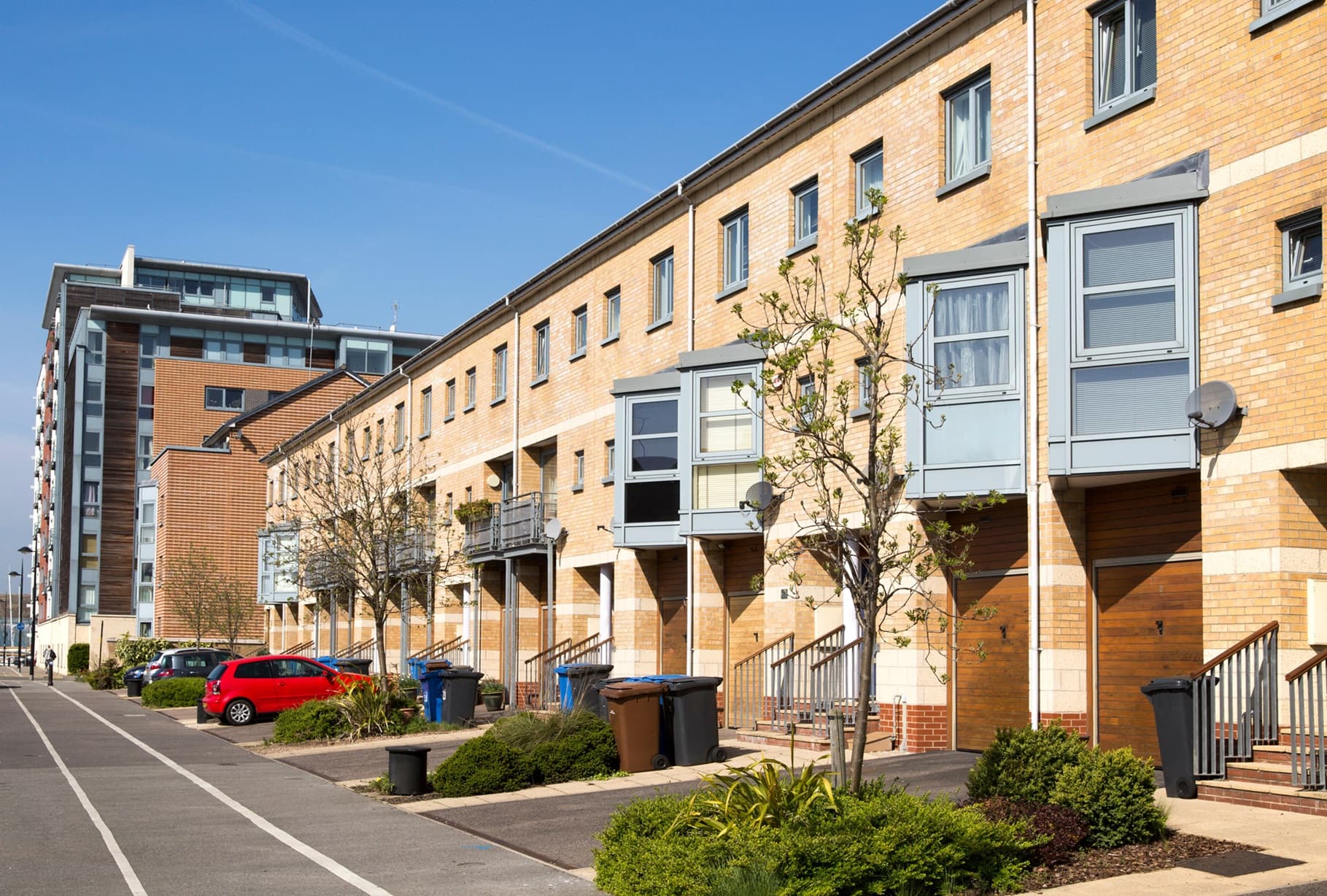
If you own, manage, or occupy a maisonette, you can easily end up with the wrong answer to a simple question: do you need a fire risk assessment. The answer depends on how your maisonette connects to other dwellings, and whether you share any “common parts” such as a shared entrance, hallway, lobby, staircase, bin store, meter cupboard, or internal corridor.
You will also see confusion because people use “maisonette” to describe two very different building arrangements.
Scenario 1: a self-contained maisonette with its own front door directly to the street. You do not share internal common parts with anyone else.
Scenario 2: a maisonette within a converted building or a small block where you share common parts with other flats or maisonettes.
That difference matters because the legal duty to carry out a fire risk assessment sits with the “responsible person” for the premises, and the duty focuses on relevant persons who could face risk in the premises, including common parts and shared areas. The Regulatory Reform (Fire Safety) Order 2005 places a specific duty on the responsible person to carry out a suitable and sufficient risk assessment and to review it.
This guide explains when a fire risk assessment for a maisonette is required, who must arrange it, what it should cover, and what you should do next.
What a maisonette is for fire risk purposes
A “maisonette” usually means a dwelling on more than one level, often with internal stairs. From a fire safety risk perspective, two features matter most:
- Means of escape from upper levels, including internal stair layout, protected route, and whether you rely on a single direction of escape.
- Interfaces with common parts, such as a shared stair or corridor, and the fire-resisting separation between your dwelling and the rest of the building.
BS 9792:2025, which supports housing fire risk assessments, specifically prompts assessors to consider “means of escape from upper levels of any maisonettes” when a housing fire risk assessment includes dwellings on a sample basis.
So, the label “maisonette” does not create the duty by itself. The shared building arrangement and who controls the shared areas usually decide the legal position.
When a fire risk assessment for a maisonette is required
You should assume you need a fire risk assessment for a maisonette when you share any part of the building with another dwelling, or when you have any non-domestic area attached to the building (for example a shop below, an office, or shared plant space).
The Fire Safety Order requires the responsible person to make a suitable and sufficient assessment of the risks to relevant persons and to identify the general fire precautions needed.
In practical terms, the fire risk assessment requirement will typically apply to:
- Common parts in a converted house split into two maisonettes that share a front lobby and stairs.
- Common parts in a small block where your maisonette sits above or beside other dwellings and you share a staircase or corridor.
- Common parts serving a “pair” of maisonettes, for example two front doors off a shared internal hallway.
- Shared bin stores, cycle stores, meter cupboards, intake rooms, or plant rooms serving more than one dwelling.
- Any workplace areas or non-domestic spaces within the building. The Fire Safety Order treats workplaces differently, and the responsible person must ensure duties are complied with for those premises.
When you probably do not need a fire risk assessment
If your maisonette is genuinely self-contained and you do not share internal common parts, you may not need a fire risk assessment under the Fire Safety Order for the dwelling itself.
A common example is a street-level front door that opens directly into your maisonette, with no shared lobby or shared stair.
However, you still need to manage fire safety inside your home. You should maintain smoke alarms, keep escape routes clear, and manage risks from cooking, smoking, chargers, and portable heaters. A fire risk assessment may still make sense as a voluntary risk management exercise, particularly if you rent the property, house vulnerable occupants, or have complex internal layouts.
The key decision test you can use: do you control only your private dwelling, or do you have responsibility for any shared area where another household could face risk.
Who the responsible person is likely to be in a maisonette
This is where many maisonette owners and occupiers get stuck. The Fire Safety Order uses the concept of a “responsible person” and also places duties on others who have control of premises.
The Fire Safety Order makes the duty apply not only to the responsible person but also to any other person who has, to any extent, control of the premises so far as the requirements relate to matters within their control. That matters in small buildings because more than one party can have duties at the same time.
PAS 79-1 describes this clearly: the Fire Safety Order places the fire risk assessment duty on the responsible person, and the same duty also applies to every other person who has control of the premises to the extent the duty relates to matters within their control.
In a maisonette context, the responsible person will usually be one of the following:
1. A freeholder who owns the building and controls the common parts
If you own the freehold of the whole building that contains two maisonettes, you will usually act as the responsible person for the common parts. You control the structure, the shared stair, the shared lobby, and maintenance decisions. In practice, you should commission and maintain the fire risk assessment for the common parts and then action the recommendations.
2. A managing agent acting for the freeholder
If a managing agent runs the building, they may manage the day-to-day compliance activities, but the duty still sits with the responsible person. The Fire Safety Order also makes clear that any party with control to any extent has duties for matters within their control. So if the managing agent controls maintenance contracts, inspections, and resident communications, they must act competently in those areas.
3. A residents’ management company or right to manage company
Where leaseholders set up a management company or exercise right to manage, that entity often controls the common parts. In that case, the company will typically act as the responsible person for the shared areas. You should ensure the company can demonstrate control, governance, and competent oversight.
4. A shared freehold arrangement with joint decisions
In a two-maisonette building with a shared freehold, both owners can have duties. One party may hold the “lead” role, but both can still have responsibilities if they have control over maintenance, repairs, or safety measures.
5. Leaseholders and occupiers with control over specific elements
Even if you are not the responsible person for the building, you can still have duties for items you control. For example, if your lease places obligations on you to maintain your flat entrance door, internal alterations, or services, you may control risks that affect the common parts and other residents.
How you work this out quickly You can usually identify the responsible person by answering three questions:
- Who controls repairs and maintenance to the common parts and structure.
- Who holds the building insurance and places contracts for maintenance.
- Who can actually instruct works and enforce rules in shared areas.
Your lease, transfer, and management arrangements will normally make the answer clear. If you still cannot identify the responsible person, treat it as a red flag. You should resolve it before you rely on any fire risk assessment document.
What the fire risk assessment should cover for a maisonette building
If the assessment applies to common parts, it should focus on the shared routes and measures that protect residents as they escape. The Fire Safety Order requires the assessment to identify the general fire precautions needed.
In a typical maisonette building, the assessor should look at:
Means of escape in common parts
Protected stair enclosure, travel distances, final exits, lighting, signage, and whether residents can escape without keys.
Compartmentation and fire separation
Integrity of walls and floors between dwellings, service penetrations, loft spaces, and any weak points at meter cupboards or risers.
Flat entrance doors
Whether doors provide effective fire and smoke resistance and self-closing where required by the building’s strategy. Even in small buildings, the front doors often represent the biggest single weakness.
Fire detection and warning in common parts
Many small two-unit buildings do not need a communal fire alarm system, but you still need to verify the fire strategy and whether any detection or emergency lighting exists and works.
Emergency lighting
Older conversions often lack compliant emergency lighting on the shared stair. The assessment should identify whether the risk warrants it.
Housekeeping and ignition sources in common parts
Storage in shared stairs, charging e-bikes, prams, mobility scooters, refuse build-up, or combustible items in meter cupboards.
Firefighting access and facilities
Access for fire and rescue service, hydrants, and any dry riser requirements in larger buildings. BS 9792 expects the assessor to record relevant facilities and whether maintenance arrangements exist.
Resident information and communication
In buildings containing two or more sets of domestic premises, the Fire Safety Order includes a duty to provide residents with comprehensible and relevant information about fire safety matters, including risks identified by the risk assessment, measures in place, the name of the responsible person, and other specified items. This becomes practical in maisonette buildings because residents often make alterations or store items in shared areas without understanding the impact.
How often you should review a maisonette fire risk assessment
The Fire Safety Order requires the responsible person to review the assessment regularly, keep it up to date, and review it when it is no longer valid or when significant changes occur.
In practice, you should review the assessment:
- After any material alteration, such as conversion works, stair alterations, new front doors, or major changes to services.
- After any fire incident, even a small one.
- When residents change behaviours that affect risk, such as storing items in the stair or charging devices in common parts.
- On a periodic cycle that matches building risk.
PAS 79-1 explains that there is no single correct frequency, but annual review is a common best-practice default, with frequency driven by risk and change.
For housing, BS 9792 also recognises that review cycles should reflect risk and building factors. It gives examples of review and replacement intervals based on building height and risk profile.
Maisonette-specific risk issues you should not ignore
Internal stairs inside the dwelling
A maisonette usually includes internal stairs that create a potential chimney effect for smoke and heat. If a fire starts on the lower level, it can cut off the upper level quickly. If the only escape route passes through the fire area, you need to manage the risk with detection, early warning, and protected routes.
Single direction of escape
Many maisonettes rely on a single exit path. That increases risk for sleeping occupants. You should ensure you have suitable smoke alarms, consider heat alarm coverage in kitchens, and keep routes clear.
Loft voids and hidden spread in conversions
Converted houses often have poor fire stopping in loft voids and service runs. Even a simple two-maisonette conversion can allow fire and smoke spread if compartmentation fails.
Flat entrance door condition and alterations
People change locks, letter plates, glazing panels, and door closers. Those small alterations can undermine performance. Your fire risk assessment should flag the issue, but you also need a process to keep doors compliant.
Storage in common parts
In small buildings, residents treat the shared stair as a personal store. That can seriously increase fire load and obstruct escape. Your resident communication needs to set rules clearly and enforce them.
E-bikes, e-scooters, and battery charging
Battery charging in escape routes creates risk. If you allow charging, you need a controlled approach, safe locations, and clear housekeeping rules. BS 9792 highlights that dutyholders should engage with residents and communicate expectations clearly.
If you rent out a maisonette: what you should do
If you let a maisonette, you should separate your duties:
- Inside the dwelling: you should comply with housing safety duties, keep alarms maintained where required, and manage repair obligations.
- For common parts: if you control them as freeholder or via a management role, you should commission the fire risk assessment and implement actions.
If you only own a leasehold maisonette and you do not control common parts, you should still:
- Ask the freeholder or managing agent for the current fire risk assessment and the action plan.
- Ask for evidence of review and completion of actions.
- Report any defects you see in common parts, such as damaged fire doors or blocked routes.
- Keep your own flat entrance door in good repair if your lease makes you responsible for it.
What “suitable and sufficient” looks like in practice
The Fire Safety Order does not accept a generic template or a tick-box document. It expects the responsible person to assess risks to relevant persons to identify necessary precautions, and to record prescribed information including findings and people at particular risk.
You can use this quick quality test:
- The assessment describes the building you actually have, not a generic building.
- The assessment identifies the fire strategy or assumptions about how residents escape.
- The assessment identifies defects clearly, prioritises actions, and sets realistic timescales.
- The assessment identifies who must act, and how you will verify completion.
- The assessment sets review triggers and an appropriate review date.
PAS 79-1 reinforces that you should treat the assessment as a living document, study it carefully, and implement the action plan.
Practical next steps for you
Step 1: Identify the building arrangement Confirm whether you share any internal common parts. If you do, assume you need a fire risk assessment for those shared areas.
Step 2: Identify the responsible person Use your lease and management documents to confirm who controls common parts and who can instruct works. If more than one party controls different elements, map that control now.
Step 3: Get the current assessment and action plan If you are not the responsible person, request it. If you are the responsible person, commission it.
Step 4: Validate the key high-risk items Prioritise flat entrance doors, compartmentation weaknesses, common stair obstructions, and emergency lighting.
Step 5: Set your review cycle and resident communication Use review triggers aligned to change and risk. Provide residents with clear information and contact details as required for buildings with two or more domestic premises.
FAQs: Fire Risk Assessment Maisonette
Is a fire risk assessment required for a maisonette?
You usually need a fire risk assessment when your maisonette sits within a building that contains shared common parts serving more than one dwelling. If your maisonette has its own front door to the street and you share no internal common parts, you may not need a fire risk assessment for the dwelling itself. You should still manage fire safety risks inside your home.
Who is the responsible person in a maisonette building?
The responsible person usually sits with whoever controls the common parts and structure. In practice this is often the freeholder, a residents’ management company, or a managing agent acting for the freeholder. The Fire Safety Order also places duties on any person who has control of the premises to the extent matters sit within their control.
If there are only two maisonettes in the building, do we still need a fire risk assessment?
Yes, if you share any common parts such as a lobby or stairs, you should have an assessment covering those common parts. A small building size does not remove the duty. It often increases the need for clarity because informal arrangements lead to gaps.
Does the leaseholder of a maisonette have any fire safety duties?
You can have duties for matters within your control, even if you are not the responsible person for the building. For example, you may control your flat entrance door condition, internal alterations, and certain services. The Fire Safety Order places duties on people with control to the extent of that control.
How often should you review a fire risk assessment for a maisonette building?
You should review it regularly and whenever it becomes invalid or when significant changes occur. In practice, many dutyholders set an annual review as a baseline, with additional reviews after works, incidents, or major occupancy changes. PAS 79-1 explains why review frequency should match change and risk.
Do you need to inspect inside the maisonette as part of the building fire risk assessment?
It depends on the scope. Many housing assessments focus on common parts only, but BS 9792 recognises different types of housing fire risk assessment, including assessments that include dwellings on a sampling basis, and it specifically includes items relevant to maisonettes such as escape from upper levels.
What are the most common failings in maisonette buildings?
You will most often see poor compartmentation in conversions, compromised flat entrance doors, lack of emergency lighting in shared stairs, and storage in common parts. These issues combine to create rapid smoke spread and blocked escape routes.
Can you do your own fire risk assessment for a maisonette building?
You can carry it out if you are competent. In practice, most dutyholders use a competent assessor because liability increases when an assessment misses key issues, and you still need to implement a workable action plan. PAS 79-1 stresses the importance of assessor competence and the dutyholder’s responsibility to ensure it.
What should you do if the freeholder will not provide the fire risk assessment?
Start by requesting it formally and asking for the action plan status. If you have evidence of serious risk in common parts, you should escalate to the relevant enforcing authority. You should also document defects you observe and the date you reported them, because the Fire Safety Order expects the responsible person to keep the assessment up to date and manage fire precautions.
Need help with a Fire Risk Assessment?
Anstey Horne’s expert team of fire safety professionals are here to assist with legally compliant fire risk assessments, retrospective fire strategies, and FRAEW appraisals for residential buildings across the UK. Whether you manage a single block or a national portfolio, we can help you stay safe and compliant.
Get in touch with us today to arrange a no-obligation consultation - please call 020 4534 3130.
If you would rather we called you instead, please fill in our Contact form and we will be in touch.
For further information on all aspects of this service see the collection of articles in our blog.
To commission a Fire Risk Assessment please call 020 4534 3130.
For further information on Fire Risk Assessment, Retrospective Fire Strategies, FRAEWs or advice in respect of your obligations as a building owner, developer or manager, please contact :

Stuart Barrow
AIFireE, MIFSM
Director, Head of Fire Safety
Fire Consultancy
London

Sarah Taylor
Business Support Manager
Building Surveying
London