EWS1 Bristol
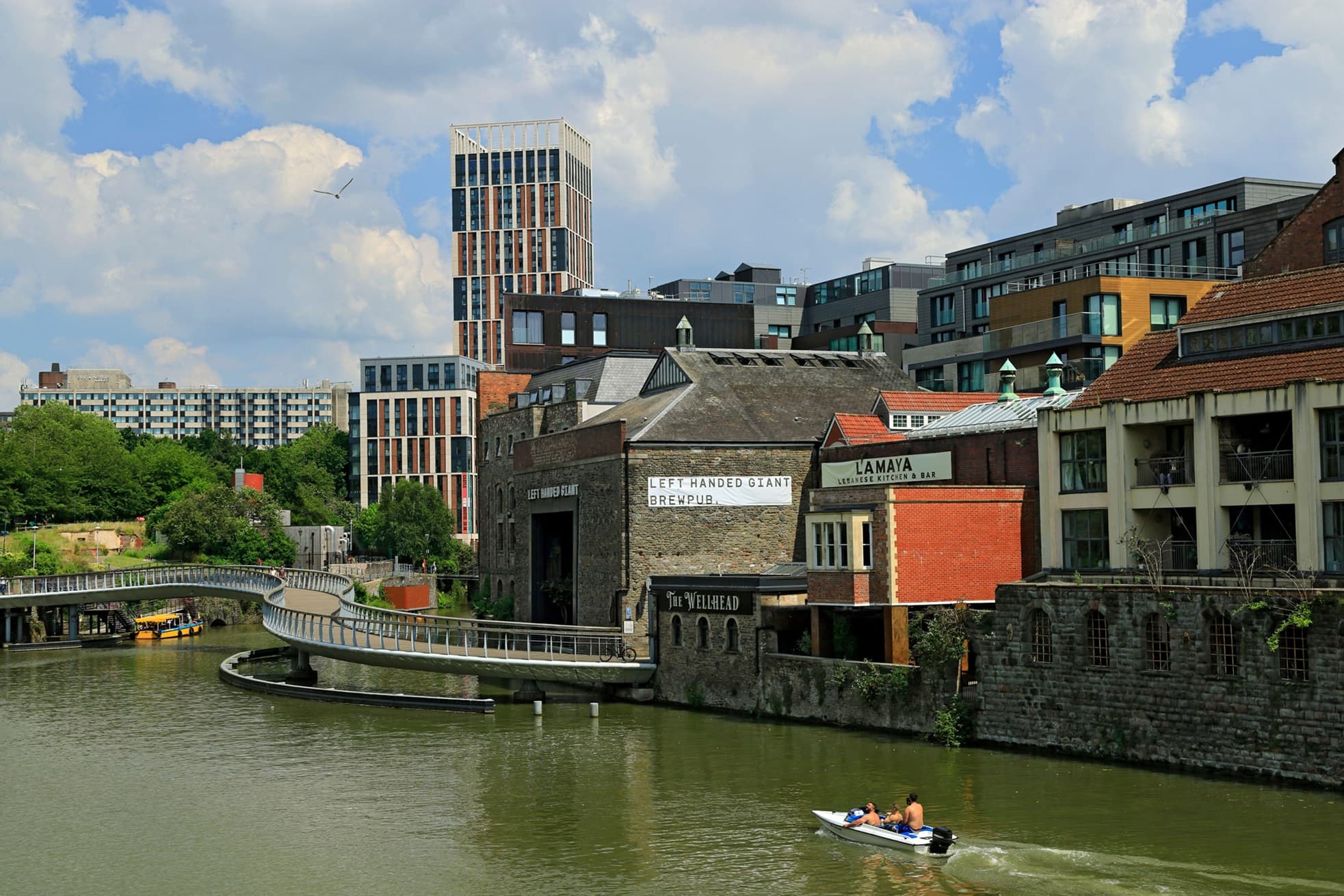
If you own, manage, or control a residential building with flats in Bristol, you will almost certainly encounter requests for an EWS1 form. Mortgage lenders, valuers, and buyers continue to rely on EWS1 assessments to understand external wall fire risk. In Bristol, where the housing stock includes post-war blocks, 1990s developments, and a significant number of modern waterfront schemes, EWS1 Bristol assessments remain a critical part of transactions and risk management.
This guide explains what EWS1 Bristol means in practice, when you need an EWS1 form, how the assessment works, what ratings mean, and how Anstey Horne delivers EWS1 Bristol services with clarity, competence, and realistic timescales.
What EWS1 Bristol means and why it matters
An EWS1 form is a standardised way for a building owner to confirm that an external wall system has been reviewed for fire safety risk. The form focuses only on the external wall construction and attachments such as balconies. It does not confirm overall fire safety and it does not replace a Fire Risk Assessment.
Lenders use EWS1 Bristol assessments to inform mortgage decisions. Valuers rely on the form to determine whether cladding or façade construction could affect value or saleability. Without a valid EWS1 form, many Bristol flats become difficult or impossible to sell or remortgage.
The current EWS1 form is the third edition issued in March 2022. Forms remain valid for up to five years unless significant changes occur to the external wall system. The form includes two routes. Option A applies where materials are unlikely to support combustion. Option B applies where combustible materials are present and a fire risk judgement is required. These requirements are defined within the EWS1 form itself and supported by PAS 9980 guidance.
When you need an EWS1 form in Bristol
You do not need an EWS1 form for every building. In practice, you need EWS1 Bristol assessments in the following situations.
- You are selling or remortgaging a flat and the lender or valuer requests an EWS1 form.
- You own or manage a building with cladding, balconies, or modern façade systems.
- You manage a block where historic construction records are incomplete or unclear.
- You oversee a building that has already been flagged by a valuer as potentially higher risk.
Although early guidance focused on buildings above 18 metres, lenders often request EWS1 forms for buildings below this height. This is particularly common in Bristol where many developments fall between four and six storeys but still include composite cladding, timber balconies, or insulated render systems.
What an EWS1 Bristol assessment covers
An EWS1 Bristol assessment focuses on the external wall system only. This includes:
- Cladding materials and build-up
- Insulation type and fixing method
- Cavity barriers and fire stopping, where visible or confirmed by records
- Balconies and attachments including decking, soffits, and balustrades
- Ancillary features that form part of the external wall construction
The assessment does not confirm compliance with Building Regulations at the time of construction. It also does not certify life safety. The purpose is narrower. It assesses the likelihood that the external wall system presents a fire risk that could require remediation.
How EWS1 Bristol assessments are carried out
At Anstey Horne, EWS1 Bristol assessments follow a structured and transparent process aligned with current guidance.
Desktop review and initial screening
We start by reviewing available construction information. This includes drawings, specifications, O&M manuals, planning records, and previous surveys. The desktop stage allows us to identify likely wall types and attachments and to plan the appropriate inspection scope.
Site inspection by a competent professional
A qualified professional inspects the external wall system. This may involve visual inspection from ground level, balconies, or accessible areas. Where necessary, we advise on intrusive inspection to confirm materials that cannot be reliably identified visually.
Assessment against Option A or Option B
We assess whether the wall system meets the criteria for Option A or whether Option B applies. This decision depends on material combustibility, configuration, and attachment risk.
Professional judgement supported by PAS 9980
Where Option B applies, we assess fire risk using the principles set out in PAS 9980. This includes consideration of fire spread likelihood, mitigation measures, and overall proportionality of remediation.
Issue of the EWS1 form
We complete and sign the EWS1 form where competence criteria are met and sufficient information exists to do so with reasonable skill and care.
Understanding EWS1 ratings in Bristol
The EWS1 form results in one of five possible outcomes.
A1
The external wall materials are of limited combustibility and there are no relevant combustible attachments.
A2
The external wall materials are of limited combustibility and attachments have been risk assessed with no remedial works required.
A3
The external wall materials are of limited combustibility but attachments may require remedial works.
B1
Combustible materials are present, but the assessed fire risk is sufficiently low that no remedial works are required.
B2
Combustible materials are present and the assessed fire risk is sufficiently high that remedial works are required.
In Bristol, many modern residential schemes fall into B1 rather than B2. A B1 outcome can still support lending, provided the assessment is carried out by a suitably competent professional and supported by a clear PAS 9980 based review.
Who can sign an EWS1 Bristol form
Competence is central to EWS1 Bristol assessments. The form sets out clear requirements.
For Option A, the signatory must be a member of a relevant professional body with expertise in identifying external wall materials and cavity barriers.
For Option B, a higher level of expertise is required. This typically means a Chartered or Incorporated Engineer with demonstrable fire engineering competence, or an equivalent professional who has completed the RICS EWS Assessment Training Programme for buildings below 18 metres.
Anstey Horne works within these competence requirements and does not issue EWS1 forms unless the appropriate expertise is in place. This protects building owners and avoids invalid or rejected forms. The RICS maintains a public list of successful EWS Assessment Training Programme completers.
Common Bristol building types and EWS1 issues
Bristol presents a wide range of building typologies, each with its own EWS1 challenges.
Waterfront and city centre apartment blocks
Many schemes include composite cladding panels, insulated render systems, and extensive balconies. Attachments often drive the outcome even where wall materials perform well.
Post-war local authority blocks
These buildings may include concrete frames with later over-cladding or replacement balcony systems. Records are often incomplete, making intrusive inspection more likely.
Converted warehouses and historic buildings
External walls may appear traditional but include modern internal insulation or rainscreen systems added during conversion. Hybrid construction can complicate assessment.
Low-rise modern developments
Buildings under 18 metres still attract lender scrutiny, especially where timber balconies or HPL panels are present.
Timescales for EWS1 Bristol services
Timescales vary depending on complexity, access, and the need for intrusive works.
Desktop review typically completes within one week once information is available.
Site inspection usually follows within one to two weeks subject to access.
Reporting and form completion generally takes two to three weeks after inspection.
Where intrusive inspection is required, timescales extend to allow for contractor availability, making good, and review of findings.
How EWS1 Bristol fits with PAS 9980
PAS 9980 provides the methodology for assessing external wall fire risk. It allows assessors to consider mitigation measures and proportionality rather than assuming that all combustible materials require removal.
EWS1 Bristol assessments rely on PAS 9980 principles, particularly for Option B outcomes. This approach supports more nuanced decisions and avoids unnecessary remediation where risk is demonstrably low.
The role of EWS1 Bristol in sales and lending
An EWS1 form does not guarantee mortgage approval, but it removes a major obstacle. Lenders use the form to inform underwriting decisions. Valuers use it to justify valuations without zero value assumptions.
In Bristol’s competitive housing market, a valid EWS1 Bristol form can make the difference between a sale progressing or collapsing.
Why choose Anstey Horne for EWS1 Bristol
Anstey Horne brings a multi-disciplinary approach to EWS1 Bristol services.
- We understand how lenders and valuers interpret EWS1 forms.
- We work within current guidance and competence frameworks.
- We provide clear explanations of outcomes and implications.
- We integrate EWS1 with broader building safety advice where required.
Our focus remains on proportionate, evidence-based assessment rather than defensive over-classification.
FAQs - EWS1 Bristol
What is an EWS1 form?
An EWS1 form is a standardised confirmation that a building’s external wall system has been assessed for fire risk by a competent professional.
Is an EWS1 form a fire safety certificate?
No. It only relates to external walls and attachments. It does not confirm overall fire safety.
Do all Bristol flats need an EWS1 form?
No. You only need one where a lender or valuer requests it, usually due to cladding or façade concerns.
Does building height matter for EWS1 Bristol?
Height influences competence requirements, but lenders may still request EWS1 forms for buildings below 18 metres.
How long is an EWS1 form valid?
Up to five years, unless significant changes occur to the external wall system.
Can a B1 rating still allow sales and mortgages?
Yes. Many lenders accept B1 outcomes where no remedial works are required.
What happens if a building receives a B2 rating?
A B2 rating indicates that remedial works are required. Building owners should seek further advice on remediation strategy and funding.
Does an EWS1 replace a Fire Risk Assessment?
No. You still need a suitable and sufficient Fire Risk Assessment for the building.
Can leaseholders commission an EWS1 form?
The form is commissioned by the building owner or their agent. Leaseholders cannot usually instruct one independently.
How do I start an EWS1 Bristol assessment?
You start by gathering available construction information and instructing a competent professional to review and inspect the external wall system.
Conclusion
If you manage or own a residential building in Bristol and need clarity on EWS1 requirements, Anstey Horne provides practical, proportionate EWS1 Bristol services designed to support transactions and long-term risk management.
Contact Us
For more information or to commission an EWS1 get in touch with us today. To arrange a no-obligation consultation - please call 020 4534 3130.
If you'd rather we called you, or for further information on EWS1 forms and FRAEW Surveys please fill in our contact form and we will be in touch.
For further information on all aspects of this service see the collection of articles in our blog.
To commission an EWS1 or FRAEW please call 020 4534 3130.
For further information on Fire Risk Assessment, Retrospective Fire Strategies, FRAEWs or advice in respect of your obligations as a building owner, developer or manager, please contact :

Sarah Taylor
Business Support Manager
Building Surveying
London