EWS1 B2 Rating Explained
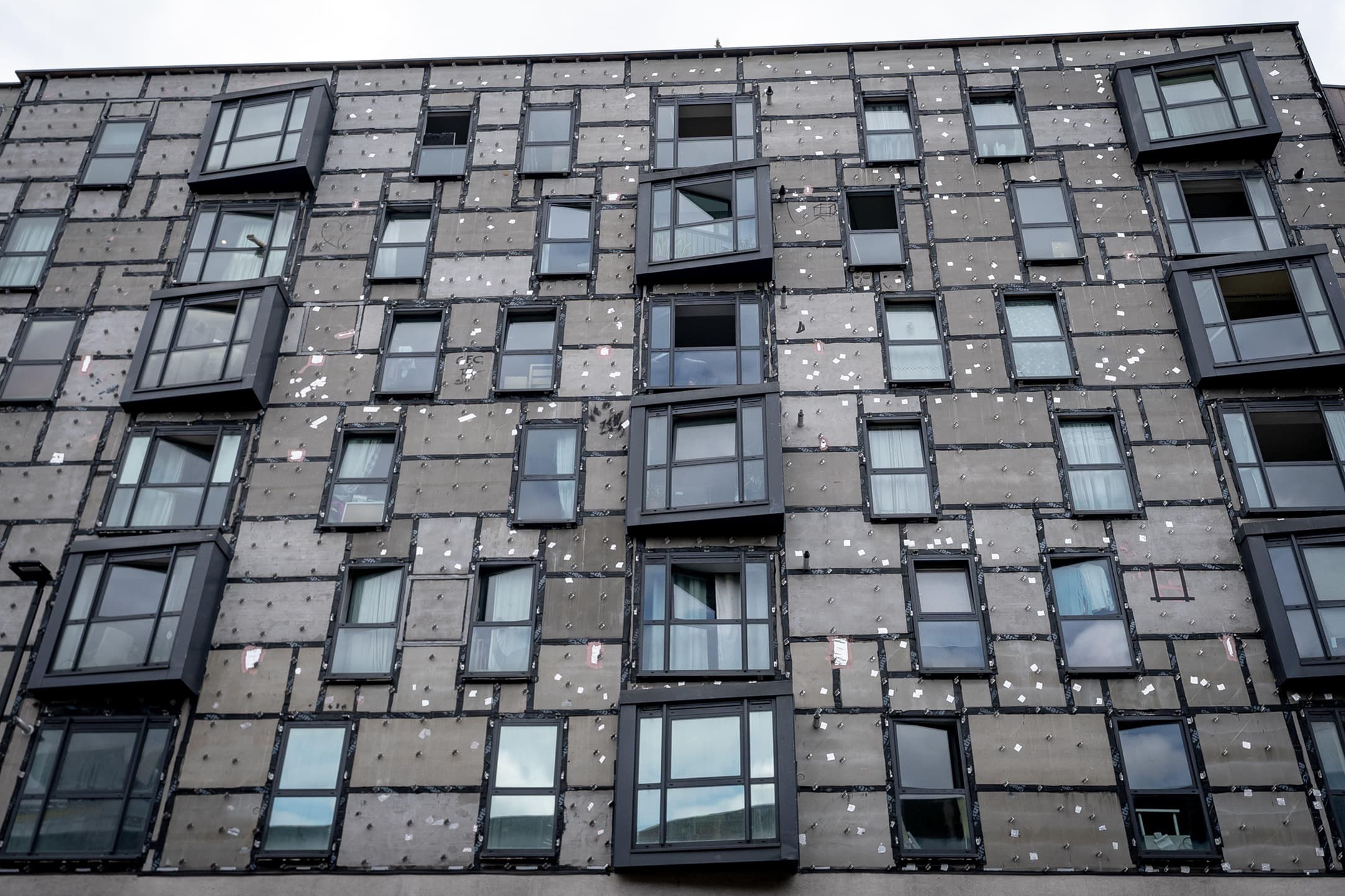
If you own, manage or want to buy a flat in a building with cladding, you will almost certainly come across the term “EWS1 B2 rating”. Understanding exactly what an ews1 b2 rating means will help you make better decisions about sales, remortgages, service charges and long term building safety.
The EWS1 form is an industry tool created by the Royal Institution of Chartered Surveyors (RICS), UK Finance and the Building Societies Association to give valuers and lenders a consistent way to understand external wall fire risk on blocks of flats. It focuses only on the external wall system and attachments, not the whole building fire strategy.
In simple terms:
- An “A” rating usually means limited or no combustible materials in the external wall system.
- A “B” rating means combustible materials are present and a higher level of fire expertise is needed to assess risk.
- A B2 rating is the worst outcome under the form. It signals that the external wall fire risk is high enough that remedial works are required.
This rating affects how lenders view the building, whether buyers can get a mortgage, and how quickly responsible entities must move to plan and fund remediation.
This guide explains the ews1 b2 rating in depth: how it is reached, how it links to PAS 9980 and FRAEWs, what it means for owners and buyers, and what you can do if your building has a B2 outcome.
What is an EWS1 B2 Rating?
The EWS1 form has two main routes:
- Option A – where external wall materials are unlikely to support combustion.
- Option B – where combustible materials are present in the external wall.
Under Option B, the signatory assesses the level of fire risk presented by the external wall construction and attachments and then selects one of two outcomes:
- B1 – Combustible materials are present but, in the assessor’s view, the fire risk is sufficiently low that no remedial works are required.
- B2 – Combustible materials are present and, in the assessor’s view, the fire risk is sufficiently high that remedial works are required.
In summary an ews1 b2 rating means:
- Combustible materials are part of the external wall system and/or attachments such as balconies.
- A competent professional, following PAS 9980 methodology, considers the external wall fire risk unacceptably high.
- The building requires remediation or other significant mitigation to reduce the risk to a tolerable level.
You should treat B2 as a clear signal that something material needs to change in the external wall design, detailing or fire protection strategy.
How The EWS1 Process Works
The EWS1 form is not a statutory certificate. It is an agreed industry process used mainly for valuation and mortgage purposes on multi-occupancy residential buildings with cladding or other higher risk features.
Key points about the process:
1) Purpose
The form allows a building owner or responsible entity to confirm to valuers and lenders that a competent expert has assessed the external wall system and attachments, and has reached a reasoned conclusion on whether proportionate remediation is required.
2) Scope
The EWS1 form covers only the external wall system and attachments such as balconies. It is not a life safety certificate and does not replace the building’s fire risk assessment or overall fire strategy.
3) Options and competence
- Option A can be signed by appropriately qualified construction professionals who understand materials, cavity barriers and fire stopping but are not necessarily fire engineers.
- Option B requires a higher level of fire engineering competence, usually a Chartered or Incorporated Fire Engineer or an equivalent professional with specialist expertise in external wall fire risk.
For buildings under 18 m, Option B can also be signed by members of relevant professional bodies who have successfully completed the RICS EWS Assessment Training Programme and who are able to demonstrate competence.
4) Methodology – PAS 9980 and FRAEWs
EWS1 Option B assessments should follow BSI PAS 9980:2022, which sets out a structured methodology for carrying out a Fire Risk Appraisal of External Walls (FRAEW).
The FRAEW looks at materials, detailing, building height and use, likely fire spread routes, and the potential for mitigation before concluding whether risk is tolerable or requires remediation. The EWS1 B1 or B2 conclusion should reflect that FRAEW.
What Typically Leads To A B2 Rating?
You usually see an ews1 b2 rating where the FRAEW identifies one or more high risk features that cannot be adequately controlled with simple management measures or minor works. Typical drivers include:
1) Combustible cladding materials
High risk cladding types such as ACM or some HPL systems, especially on taller residential buildings, often lead to a B2 outcome where they are combined with combustible insulation or poor fire compartmentation.
2) Combustible insulation behind the façade
Expanded polystyrene (EPS), certain foam insulations or thick layers of other combustible insulation, combined with inadequate cavity barriers or fire stopping, increase the likelihood of rapid external fire spread and may result in B2.
3) Missing or defective cavity barriers
Even if the outer cladding material is not highly combustible, widespread defects in cavity barriers or fire stopping at floor levels, around openings and at compartment lines can significantly increase fire spread potential. PAS 9980 highlights these as key risk factors.
4) Timber or composite balconies
Timber decks, undersides and privacy screens, particularly when stacked or closely spaced, can contribute to external fire spread. Without robust mitigation such as replacement or encapsulation, they can push the assessment towards B2.
5) Inadequate mitigation or management measures
If the FRAEW concludes that realistic mitigation measures (for example, improving detection, adding sprinklers, or limited panel replacement) will not reduce the risk sufficiently, the assessor is likely to recommend more extensive remediation and record a B2 rating.
In practice, you often see combinations of these factors rather than a single issue. The key is the overall fire risk, not just the presence of one material.
Impact Of An EWS1 B2 Rating On Owners, Buyers And Lenders
An ews1 b2 rating has direct consequences for residents, sellers, buyers and lenders.
1) Mortgageability and lending
Most mainstream lenders treat B2 as a high risk outcome. Many will not lend until:
- There is a clear, costed and funded remediation plan in place, and
- The risk is expected to reduce following works, often evidenced by a future target rating (such as A2 or B1).
Nationwide, for example, has indicated that where a building holds an EWS1 rating of A3 or B2, it expects confirmation of a clear path to remediation, including who will pay. Other lenders apply similar logic, often aligned with the UK Finance and industry statements on cladding and leaseholder protections.
For owners, this can mean difficulty remortgaging. For sellers, it often restricts the buyer pool to cash purchasers unless funding and works are clearly progressing.
2) Property values
Valuers are expected to reflect the cost and risk of remediation when assessing properties in B2-rated buildings. This can include:
- The estimated cost of works per flat.
- Who is expected to pay (developer, government scheme, freeholder, leaseholders).
- The timing and certainty of remediation.
Until you have clarity on funding and programme, you should expect valuations to be cautious.
3) Building safety and management
From a safety perspective, a B2 rating signals that the external wall fire risk is not tolerable without significant works. That should trigger:
- A review of the building’s Fire Risk Assessment in light of the FRAEW findings.
- Consideration of interim measures where appropriate, such as enhanced detection, staff or waking watch, and revised evacuation strategies.
- Engagement with residents to explain the findings, risk and planned next steps.
B2, PAS 9980 And The Role Of FRAEW
Modern practice has shifted from a simple “pass or fail” mindset to a more nuanced, risk-based approach under PAS 9980.
PAS 9980:2022 sets out a methodology for competent professionals to conduct Fire Risk Appraisals of External Walls for existing multi-storey, multi-occupied residential buildings.
Key principles of PAS 9980 include:
1) Risk factors
Assessors look at: materials, fixings, detailing, height, building use, means of escape, expected fire loads, and potential for fire and smoke spread via the façade.
2) Risk-based outcomes
The FRAEW should result in a reasoned conclusion about whether external wall risk is tolerable, tolerable with mitigation, or intolerable and requiring remediation.
3) Link to EWS1
RICS expects EWS1 assessments to be undertaken in accordance with PAS 9980. Where the FRAEW identifies intolerable risk that needs remediation, the corresponding EWS1 is very likely to be recorded as B2.
4) Interaction with the building’s FRA
An FRAEW informs the building’s main Fire Risk Assessment and vice versa. Both should be kept aligned and reviewed regularly, especially where B2 outcomes or major works are in play.
B2 Rating And The Path To Remediation
If your building has an ews1 b2 rating, you should view it as the start of a remediation journey rather than the end of the story. A typical path looks like this.
1) Understand the evidence
You should obtain and read:
- The full FRAEW report completed under PAS 9980.
- The current Fire Risk Assessment.
- The EWS1 form itself, including date, signatory details and B2 outcome.
This will clarify exactly why the rating is B2 and which elements drive the risk.
2) Explore funding routes
Many buildings with B2 ratings are eligible, or potentially eligible, for government support schemes such as the Cladding Safety Scheme or the Building Safety Fund, depending on height, tenure and cladding type. These schemes rely on FRAEWs under PAS 9980 to evidence eligibility and scope.
You should confirm:
- Whether the building has already applied for or been accepted into a funding scheme.
- Whether the original developer has agreed to fund works.
- Whether leaseholder protections under the Building Safety Act limit or prevent costs being passed to leaseholders.
3) Plan remediation works
Once funding is clearer, the responsible entity should work with competent fire engineers, designers and contractors to:
- Develop a remediation strategy that addresses the specific risks highlighted in the FRAEW.
- Design replacement systems and detailing that will achieve an acceptable risk outcome under PAS 9980.
- Sequence works to manage safety, disruption and logistics.
4) Manage interim risk
Until works are complete, the fire risk management plan may need to include interim measures. These should be proportionate and guided by the FRA and FRAEW findings, not applied generically.
5) Reassess and update the EWS1
After remediation, the building should undergo a fresh FRAEW and EWS1 assessment. The goal is usually to achieve an A2, A1 or B1 outcome that reflects a significantly improved risk profile.
EWS1 B2 Rating And The “Five Year” Question
The EWS1 form itself notes that forms are valid for “up to five years” from the date of signature, but they must be reassessed if significant changes occur to the external wall or attachments.
Originally, the industry treated five years as a practical shelf life. More recent updates from UK Finance, the BSA and RICS have moved towards a more risk-based position:
- Lenders can, in some circumstances, rely on EWS1 forms that are more than five years old if the risk remains unchanged and well evidenced.
- They need to consider whether the original signatory was competent and remains valid, and whether any changes or incidents since the form date might undermine the assessment.
For a B2 building, however, the emphasis is not on stretching the life of the form. It is on demonstrating that there is a funded, realistic plan to remove or adequately mitigate the high risk conditions. Lenders will usually want to see progress on remediation rather than relying on an old B2 form with no updated evidence.
Practical Steps If Your Building Has A B2 Rating
If you are a leaseholder or resident:
1) Get the facts
Request copies of the EWS1, FRAEW and current FRA from your managing agent or responsible person. Confirm what specific issues drive the B2 outcome and what interim measures are in place.
2) Ask about funding and programme
You should ask:
- Has the building applied to the Cladding Safety Scheme or Building Safety Fund, or has the developer agreed to remediate?
- What stage is the application or negotiation at?
- What is the provisional programme for works?
3) Engage collectively
Residents’ associations or recognised tenants’ associations can help coordinate questions, share updates and commission independent advice where needed.
4) Plan your own finances
Expect service charges to reflect investigation, interim measures and project management costs, subject to lease terms and any leaseholder protections. You should also factor a B2 rating into your timing for any sale or remortgage.
If you are a buyer:
1) Check the EWS1 and supporting documents
Before you commit to a purchase in a B2-rated building, you should review the EWS1, the FRAEW and evidence of funding or signed agreements for remediation.
2) Speak to lenders early
You should have honest conversations with brokers or lenders about whether they will consider lending where a B2 rating is in place but remediation is funded and scheduled. Some lenders have more flexibility than others, especially where government or developer funding is confirmed.
3) Price and risk
You may wish to reflect the cost and disruption of remediation in any offer and ensure that your solicitor reviews the position on service charges, protections and the detail of any funding agreements.
FAQs – EWS1 B2 Rating
Q1. What does an ews1 b2 rating actually mean?
A B2 rating means combustible materials are present in the external wall system or attachments, and the competent professional who completed the FRAEW and EWS1 considers that the fire risk is sufficiently high that remedial works are required.
Q2. Can I get a mortgage with an EWS1 B2 rating?
Most mainstream lenders treat B2 as high risk and will not lend unless there is a clear, funded remediation plan in place and a credible route to a safer rating such as B1 or A2 once works are complete. Some specialist or smaller lenders may consider cases on an individual basis, particularly where works are fully funded under a government scheme or by the developer, but you should not assume lending will be available.
Q3. Does a B2 rating mean my building is unsafe to live in?
A B2 rating means the external wall fire risk is not tolerable without significant remediation or robust mitigation. It does not automatically mean that residents must leave the building, but it does mean the responsible entity should review the overall fire strategy and put in place any necessary interim measures while planning works. The detailed FRA and FRAEW will describe the risk in more precise terms.
Q4. How long does an EWS1 B2 rating last?
EWS1 forms are generally considered valid for up to five years, but they must be reassessed if significant changes occur to the external wall or attachments. In practice, a B2 rating should trigger remedial works well before the five year mark, and lenders are now encouraged to look at risk and evidence rather than treating five years as an automatic cut off.
Q5. Is an EWS1 the same as a Fire Risk Appraisal of External Walls (FRAEW)?
No. A FRAEW is a detailed technical appraisal of the external wall carried out in accordance with PAS 9980. The EWS1 form is a short, standardised summary used for valuation and lending purposes that records the key conclusion of that appraisal as a rating such as B1 or B2. The EWS1 outcome should reflect the FRAEW, but the FRAEW remains the substantive technical document. See our detailed guide on the difference between an FRAEW and EWS1.
Q6. Who can sign an EWS1 B2 rating?
Option B on the EWS1, which includes B2 ratings, should be signed by a competent professional with specific fire engineering or external wall fire risk expertise. This is typically a Chartered or Incorporated Fire Engineer registered with the Engineering Council through a relevant professional body, or an equivalent construction professional with demonstrable expertise. For some buildings below 18 m, appropriately qualified professionals who have completed the RICS EWS Assessment Training Programme can also sign, provided they meet the competence criteria.
Q7. Can a B2 rating be changed to B1 or an A rating?
Yes. Once the building has undergone appropriate remediation or robust mitigation, a new FRAEW and EWS1 assessment can be carried out. If the updated appraisal finds that the residual fire risk is sufficiently low, the new EWS1 may record a B1 or A rating. The key is that works must genuinely reduce the risk in line with PAS 9980, not simply replace like with like.
Q8. My building is under 11 m or 18 m. Can it still get a B2 rating?
Yes. While earlier guidance focused heavily on taller buildings, EWS1 and PAS 9980 now apply based on risk factors, not just height. Buildings under 11 m or under 18 m can still have combustible cladding, missing cavity barriers or problematic balconies that result in a B2 outcome if the overall risk is assessed as high. Lenders’ appetite to request EWS1 forms on smaller buildings will vary, but the fire risk principles are the same.
Q9. Does a B2 rating automatically mean I will have to pay for remediation?
Not necessarily. Responsibility for costs depends on a mix of factors including the Building Safety Act protections, government funding schemes, developer commitments and the detail of individual leases. In many cases, leaseholders are now protected from some or all cladding related costs, but you should obtain legal advice and check how protections apply to your building.
Q10. I am thinking of buying in a B2-rated building. What should I do?
You should:
- Review the EWS1, FRAEW and FRA in detail.
- Confirm whether remediation is funded, designed and programmed.
- Speak to lenders before committing, to understand whether they will lend once works are underway or completed.
- Ask your solicitor to review the position on service charges, protections and any cost caps.
An ews1 b2 rating does not make a purchase impossible, but you should go in with open eyes about timescales, disruption and marketability.
Understanding exactly what an ews1 b2 rating means, how it was reached and how it links to PAS 9980 will help you manage risk, plan finances and make informed decisions about your building or intended purchase.
Contact Us
For more information on the EWS1 B2 rating get in touch with us today. To arrange a no-obligation consultation - please call 020 4534 3130.
If you'd rather we called you, or for further information on EWS1 forms and FRAEW Surveys please fill in our contact form and we will be in touch.
For further information on all aspects of this service see the collection of articles in our blog.
To commission an EWS1 or FRAEW please call 020 4534 3130.
For further information on Fire Risk Assessment, Retrospective Fire Strategies, FRAEWs or advice in respect of your obligations as a building owner, developer or manager, please contact :

Sarah Taylor
Business Support Manager
Building Surveying
London

Thomas Mead-Herbert
BSc (Hons) MRICS C.BuildE MCABE ABBE L6 EWSA
Senior Director
Building Surveying
London

Charlie Powell
BSc (Hons) MRICS
Director
Building Surveying
Manchester