Building Fabric Risk Assessment vs Condition Survey
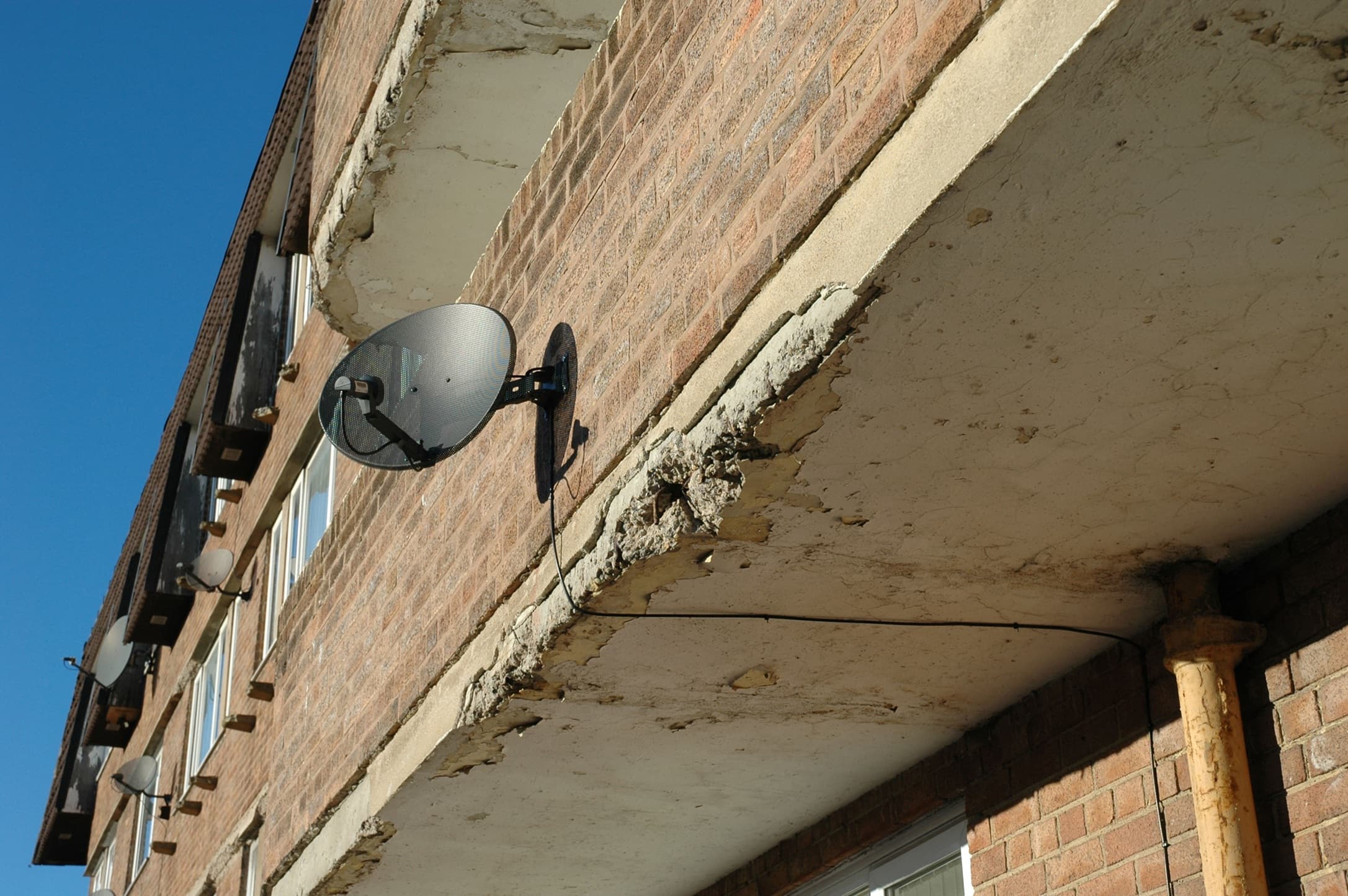
Property owners, investors, managing agents, developers, and facilities managers all rely on building assessments to make informed decisions. Yet many people still confuse a Building Fabric Risk Assessment vs a Condition Survey. While both evaluate the physical state of a building, they serve different purposes, answer different questions, and support different strategic outcomes.
Understanding the distinction matters. Choosing the wrong assessment can lead to unexpected maintenance costs, compliance issues, operational disruption, or missed risks that affect long term asset performance.
This guide explains the differences between a Building Fabric Risk Assessment and a Condition Survey, when each assessment is appropriate, and how they support effective building management.
What Is a Building Fabric Risk Assessment?
A Building Fabric Risk Assessment is a structured assessment of the risks associated with the external and internal fabric of a building. It focuses on identifying defects, deterioration, vulnerabilities, and failure risks that could affect safety, operational continuity, asset value, compliance, or future maintenance liabilities.
The building fabric includes all physical elements that form the building envelope and structure, including:
- Roof coverings
- External walls
- Cladding systems
- Windows and doors
- Structural frame elements
- Balconies and terraces
- Drainage systems
- Waterproofing systems
- Internal finishes linked to moisture or structural deterioration
A Building Fabric Risk Assessment evaluates not only the current condition of these elements but also the consequences and likelihood of failure.
The assessment typically prioritises risks according to severity and urgency. It helps clients understand:
- Which defects present immediate concerns
- Which issues could escalate into major failures
- Where water ingress or structural deterioration may develop
- What maintenance actions should take priority
- The likely impact on building operation and lifecycle costs
- Whether hidden risks could affect future investment decisions
Unlike a standard inspection report, a Building Fabric Risk Assessment focuses heavily on risk management and forward planning.
What Is a Condition Survey?
A Condition Survey is a broad inspection of a property's physical condition at a specific point in time. Its primary purpose is to document the state of building elements and identify visible defects or maintenance requirements.
Condition Surveys usually assess:
- Structural elements
- Roofs
- External walls
- Internal finishes
- Mechanical and electrical systems
- General wear and tear
- Maintenance backlog
The surveyor records defects, deterioration, and areas requiring repair or replacement. The report may also include estimated maintenance priorities and lifecycle recommendations.
A Condition Survey provides a snapshot of the building's current condition. It is often used for:
- Property acquisition
- Asset management
- Planned preventative maintenance
- Insurance purposes
- Dilapidations
- Capital expenditure planning
- Compliance reviews
While a Condition Survey identifies defects and maintenance needs, it may not fully analyse the operational or strategic risks associated with those defects.
The Core Difference Between a Building Fabric Risk Assessment vs Condition Survey
The key difference between a Building Fabric Risk Assessment vs Condition Survey lies in the purpose of the assessment.
A Condition Survey answers:
“What condition is the building in?”
A Building Fabric Risk Assessment answers:
“What risks does the condition of the building fabric create?”
This distinction changes the depth, focus, and outcome of the inspection.
Condition Surveys Focus on Condition
A Condition Survey primarily records:
- Existing defects
- General deterioration
- Maintenance requirements
- Asset lifecycle information
It provides an overview of physical condition and maintenance priorities.
Building Fabric Risk Assessments Focus on Risk
A Building Fabric Risk Assessment goes further by evaluating:
- Probability of failure
- Consequences of failure
- Health and safety implications
- Water ingress risks
- Structural vulnerabilities
- Operational disruption risks
- Compliance exposure
- Financial impact of inaction
This creates a more strategic and risk based evaluation.
Why the Difference Matters
Many buildings appear acceptable during a routine condition inspection but still present significant risks.
For example:
- A roof may appear generally serviceable but contain hidden drainage vulnerabilities that could cause severe water ingress during extreme weather.
- Cladding systems may show limited visible deterioration but present fire compartmentation risks.
- Minor façade cracking may indicate wider structural movement.
- Defective waterproofing could create long term corrosion or internal decay risks.
A standard Condition Survey may record these observations. A Building Fabric Risk Assessment evaluates the likelihood, severity, and potential consequences of failure.
This distinction becomes critical for:
- High value property portfolios
- Commercial buildings
- Healthcare facilities
- Educational estates
- Residential towers
- Historic buildings
- Infrastructure assets
- Buildings with complex façades or roofing systems
Scope of a Building Fabric Risk Assessment
A Building Fabric Risk Assessment often includes:
External Envelope Assessment
The surveyor evaluates the performance and integrity of:
- Roofing systems
- Cladding
- Curtain walling
- Masonry
- Glazing systems
- Waterproofing details
- Drainage arrangements
The assessment identifies vulnerabilities that may lead to:
- Water ingress
- Structural deterioration
- Heat loss
- Safety hazards
- Premature failure
Risk Prioritisation
Each issue receives a risk rating based on:
- Severity
- Likelihood
- Urgency
- Consequence of failure
This helps building owners prioritise remedial action.
Lifecycle and Failure Analysis
The assessment considers:
- Remaining service life
- Future deterioration patterns
- Potential escalation of defects
- Long term maintenance exposure
Strategic Recommendations
The report often includes:
- Immediate actions
- Short term repairs
- Medium term maintenance planning
- Capital replacement strategies
- Risk mitigation measures
Scope of a Condition Survey
A Condition Survey typically includes:
Visual Inspection
The surveyor inspects accessible building elements and records:
- Damage
- Deterioration
- Defects
- Maintenance issues
Condition Ratings
Building components may receive ratings such as:
- Good
- Fair
- Poor
- End of life
Maintenance Recommendations
The report identifies:
- Required repairs
- Replacement needs
- Routine maintenance actions
Budget Planning
Some Condition Surveys include estimated costs for future maintenance and repairs.
When You Need a Building Fabric Risk Assessment
A Building Fabric Risk Assessment is particularly valuable when risk exposure matters more than general condition reporting.
Typical situations include:
Commercial Property Portfolios
Investors and asset managers use Building Fabric Risk Assessments to identify buildings with elevated maintenance or operational risk.
High Rise Residential Buildings
Building owners require detailed understanding of façade performance, waterproofing, fire related vulnerabilities, and structural risks.
Buildings with Water Ingress Problems
Recurring leaks often indicate hidden building fabric failures. A risk assessment identifies root causes and future exposure.
Aging Building Stock
Older buildings may contain concealed deterioration that standard condition inspections do not fully evaluate.
Insurance and Compliance Concerns
Insurers increasingly expect proactive risk management of building fabric defects.
Capital Planning
A Building Fabric Risk Assessment helps organisations prioritise investment based on risk rather than appearance alone.
When You Need a Condition Survey
A Condition Survey is often appropriate when you need a broad overview of physical condition.
Typical uses include:
Property Acquisition
Buyers use Condition Surveys to understand maintenance liabilities before purchase.
Planned Preventative Maintenance
Facilities managers use Condition Surveys to develop maintenance schedules.
Lease Dilapidations
Landlords and tenants rely on Condition Surveys during lease negotiations and end of tenancy assessments.
General Estate Management
Condition Surveys help organisations monitor large property portfolios.
Insurance Reinstatement and Asset Records
Insurers and asset managers use Condition Surveys for documentation and lifecycle planning.
How Survey Methodology Differs
The methodology also differs significantly between the two assessments.
Building Fabric Risk Assessment Methodology
A Building Fabric Risk Assessment often includes:
- Detailed defect analysis
- Risk scoring systems
- Failure scenario evaluation
- Moisture investigations
- Thermal performance review
- Structural movement analysis
- Drone inspections
- Targeted intrusive investigations where required
The approach is analytical and risk focused.
Condition Survey Methodology
A Condition Survey usually involves:
- Visual inspections
- Photographic records
- Condition grading
- General maintenance observations
The approach is broader and less forensic.
Reporting Differences
Building Fabric Risk Assessment Reports
These reports usually include:
- Risk matrices
- Priority rankings
- Defect causation analysis
- Consequence assessments
- Strategic recommendations
- Long term risk forecasting
The report supports decision making at operational and strategic level.
Condition Survey Reports
Condition Survey reports generally provide:
- Condition summaries
- Defect schedules
- Maintenance recommendations
- Photographic evidence
- Lifecycle observations
The report supports maintenance management and budgeting.
Which Assessment Is More Detailed?
Neither assessment is automatically more detailed. The level of detail depends on the brief and the building itself.
However, a Building Fabric Risk Assessment usually provides deeper analysis of critical defects and failure risks.
A Condition Survey generally provides broader coverage across all building systems.
In many cases, organisations commission both assessments together.
Can a Condition Survey Replace a Building Fabric Risk Assessment?
Not always.
A Condition Survey may identify visible defects, but it may not fully assess:
- Failure probability
- Safety exposure
- Water ingress pathways
- Hidden deterioration risks
- Operational impact
- Strategic maintenance risks
Where buildings present complex fabric issues or high operational importance, a Building Fabric Risk Assessment provides a more suitable level of analysis.
Can a Building Fabric Risk Assessment Replace a Condition Survey?
Not completely.
A Building Fabric Risk Assessment focuses heavily on risk related fabric issues. It may not provide:
- Comprehensive asset inventories
- Full lifecycle condition data
- Detailed mechanical and electrical condition assessments
- Estate wide maintenance schedules
For complete asset management, many organisations combine both assessments.
Why Building Owners Increasingly Commission Building Fabric Risk Assessments
Several industry trends have increased demand for Building Fabric Risk Assessments across the UK property sector.
Greater Focus on Risk Management
Building owners now face greater scrutiny regarding building safety, maintenance responsibilities, and asset resilience.
Climate and Weather Exposure
Extreme rainfall, storm events, and temperature fluctuations increase pressure on building envelopes.
Rising Repair Costs
Deferred maintenance creates greater financial exposure when defects escalate into major failures.
Insurance Requirements
Insurers increasingly assess how building owners manage fabric related risks.
Regulatory Pressure
Post Grenfell reforms have increased attention on façade performance, waterproofing, and structural safety.
Benefits of a Building Fabric Risk Assessment
A Building Fabric Risk Assessment helps organisations:
- Reduce unplanned repair costs
- Improve maintenance prioritisation
- Protect asset value
- Reduce operational disruption
- Identify hidden vulnerabilities
- Support compliance obligations
- Improve lifecycle planning
- Reduce long term capital expenditure risk
The assessment supports proactive rather than reactive building management.
Choosing the Right Assessment for Your Building
The correct assessment depends on your objectives.
You may need a Condition Survey if your goal is:
- Understanding general condition
- Developing maintenance schedules
- Supporting property transactions
- Recording asset condition
You may need a Building Fabric Risk Assessment if your goal is:
- Managing operational risk
- Identifying critical failures
- Understanding water ingress exposure
- Prioritising high risk defects
- Supporting strategic asset planning
- Evaluating façade or envelope vulnerabilities
For complex buildings, combining both approaches often provides the strongest outcome.
The Value of Specialist Expertise
Both assessments require experienced surveyors with strong technical knowledge.
However, Building Fabric Risk Assessments often require additional expertise in:
- Building pathology
- Moisture diagnostics
- Façade engineering
- Structural behaviour
- Waterproofing systems
- Risk analysis
- Lifecycle modelling
The quality of the assessment directly affects the reliability of future maintenance and investment decisions.
Conclusion - Building Fabric Risk Assessment vs Condition Survey
Understanding the difference between a Building Fabric Risk Assessment and a Condition Survey helps building owners commission the right service for their needs.
A Condition Survey provides a broad overview of a building's condition and maintenance requirements. A Building Fabric Risk Assessment evaluates the risks associated with defects, deterioration, and potential failures within the building fabric.
Both assessments play important roles in effective property management. However, they deliver different types of insight and support different strategic objectives.
As buildings become more complex and regulatory expectations increase, Building Fabric Risk Assessments provide valuable intelligence for managing risk, protecting assets, and improving long term building performance.
For property owners, investors, and asset managers, choosing the correct assessment can reduce costs, improve resilience, and support better decision making across the entire lifecycle of a building.
FAQs - Building Fabric Risk Assessment vs Condition Survey
What is the main difference between a Building Fabric Risk Assessment and a Condition Survey?
The main difference is focus. A Condition Survey records the physical condition of a building, while a Building Fabric Risk Assessment evaluates the risks associated with defects and deterioration in the building fabric.
Does a Building Fabric Risk Assessment include structural issues?
Yes. A Building Fabric Risk Assessment may assess structural vulnerabilities where they affect the performance, safety, or integrity of the building fabric.
Is a Building Fabric Risk Assessment more detailed than a Condition Survey?
A Building Fabric Risk Assessment often provides deeper analysis of critical defects, risk exposure, and failure consequences. A Condition Survey usually provides broader condition coverage across the building.
Who needs a Building Fabric Risk Assessment?
Commercial landlords, asset managers, property investors, housing associations, developers, facilities managers, and owners of complex or aging buildings often require Building Fabric Risk Assessments.
Can a Condition Survey identify water ingress risks?
A Condition Survey may identify visible signs of water ingress, but a Building Fabric Risk Assessment provides more detailed analysis of causes, vulnerabilities, and future risk exposure.
Are Building Fabric Risk Assessments required for compliance?
Requirements vary depending on the building type and risk profile. However, many organisations commission them to support compliance, risk management, and building safety responsibilities.
How often should a Building Fabric Risk Assessment be carried out?
Frequency depends on building age, condition, exposure, and operational importance. Many organisations commission assessments every three to five years or after major incidents or refurbishment works.
What types of buildings benefit most from Building Fabric Risk Assessments?
High rise residential buildings, commercial offices, healthcare facilities, schools, industrial sites, and buildings with complex façades or recurring defects benefit significantly from Building Fabric Risk Assessments.
Can a Building Fabric Risk Assessment reduce maintenance costs?
Yes. Identifying defects early and prioritising risk based maintenance can reduce emergency repair costs and prevent major failures.
Should I commission both a Condition Survey and a Building Fabric Risk Assessment?
In many cases, yes. A Condition Survey provides broad condition data, while a Building Fabric Risk Assessment delivers deeper analysis of critical risks and vulnerabilities.
Contact - Building Fabric Risk Assessment vs Condition Survey
Anstey Horne provides expert Building Fabric Risk Assessments for residential, commercial, mixed-use, and higher-risk buildings across the UK.
Our experienced specialists deliver detailed assessments that help building owners, developers, housing providers, freeholders, and asset managers identify defects, understand risk exposure, support compliance obligations, and plan effective remediation and maintenance strategies.
Whether you require a BFRA as part of a building safety review, planned maintenance programme, refurbishment project, due diligence exercise, or asset management strategy, our team can provide clear, practical, and technically robust advice tailored to your building and operational requirements.
Our assessments can include:
- External wall and facade inspections
- Cladding and compartmentation reviews
- Condition and defect surveys
- Water ingress investigations
- Fire safety-related fabric assessments
- Lifecycle and maintenance planning support
- Risk prioritisation and remediation recommendations
- Multidisciplinary technical consultancy services
To discuss your requirements or commission a BFRA, contact Anstey Horne today. Our team will help you understand the condition, safety, and long-term performance of your building assets.
To arrange a no-obligation consultation – please call 020 4534 3130.
If you rather we called you, or for further information please fill in our contact form and we will be in touch.
For more information on all aspects of this service see the collection of articles in our blog.
To discuss Building Fabric Risk Assessments please call 020 4534 3130.
For further information, please contact :

Paul Phillips
BSc (Hons) MRICS C.BuildE MCABE
Senior Director
Building Surveying
London

Alex Hayward
MSc MRICS
Director
Building Surveying
London

Will Mantell-Sayer
BSc (Hons) MRICS
Associate Director
Building Surveying
Norwich