What Is a Building Fabric Risk Assessment?
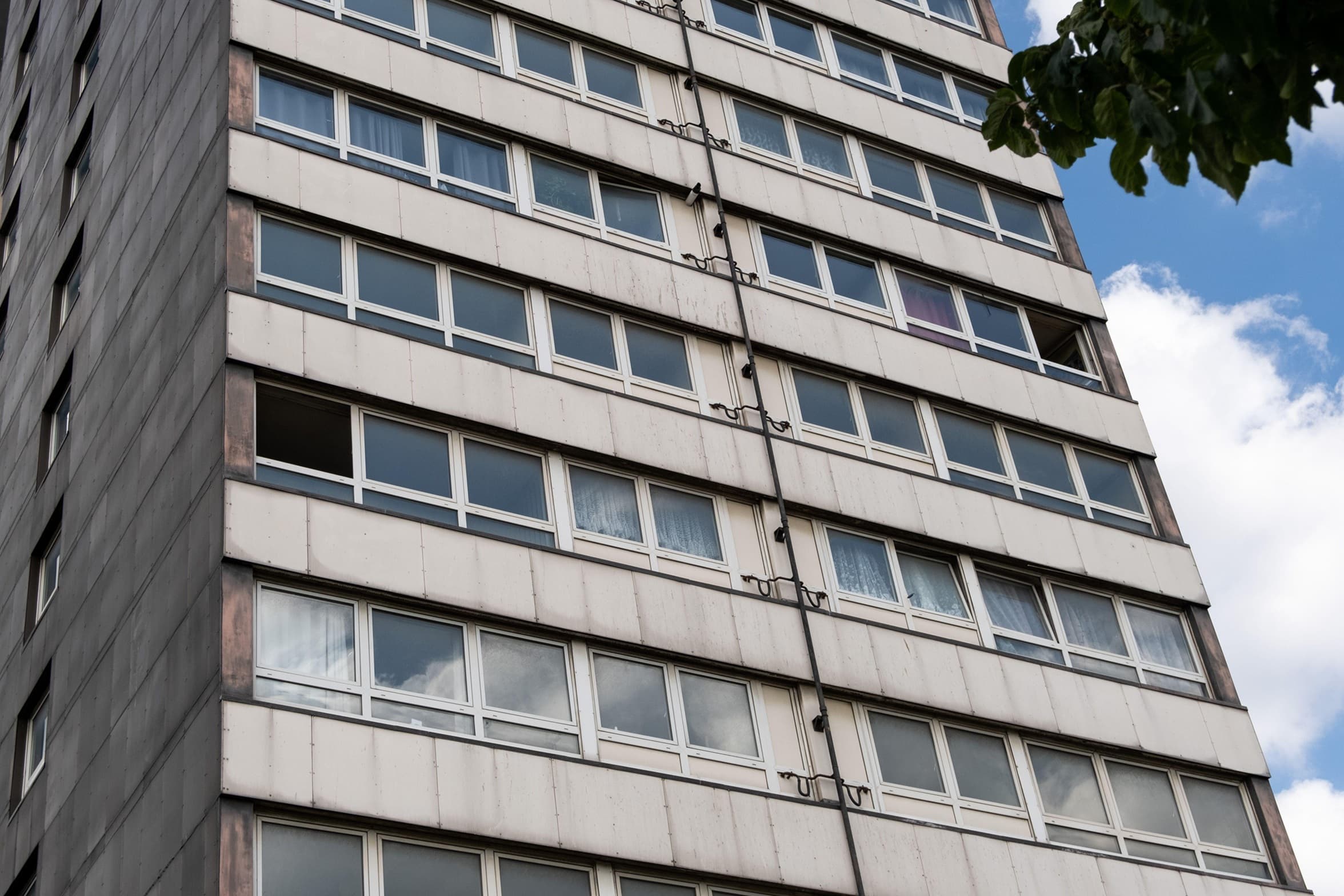
Building owners, developers, housing providers, asset managers, and responsible persons face increasing pressure to understand the condition, safety, and long-term performance of their buildings. Regulatory changes, fire safety reforms, ageing stock, sustainability targets, and rising remediation costs have all increased demand for a thorough Building Fabric Risk Assessment (BFRA).
A Building Fabric Risk Assessment provides a structured evaluation of the physical elements that make up a building. It identifies defects, deterioration, safety concerns, performance failures, and future risks affecting the external envelope and internal structural fabric of a property. The assessment helps organisations understand where immediate action is required and where future investment should be prioritised.
For many property portfolios, a BFRA has become an essential part of risk management, compliance planning, lifecycle maintenance, and asset strategy.
What Is a Building Fabric Risk Assessment?
A Building Fabric Risk Assessment is a detailed inspection and analysis of the physical construction and condition of a building’s fabric. The term “building fabric” refers to the structural and non-structural elements that form the building itself, including:
- External walls
- Roofs
- Cladding systems
- Facades
- Windows and glazing
- Balconies
- Fire stopping
- Structural framing
- Insulation systems
- Internal compartmentation
- Waterproofing
- Masonry and concrete elements
- Fixings and attachments
The purpose of a BFRA is to identify risks associated with deterioration, poor construction, unsafe materials, fire spread, water ingress, structural failure, thermal inefficiency, and maintenance backlog.
The assessment provides building owners with a clear understanding of:
- Current condition
- Defects and hazards
- Safety implications
- Compliance concerns
- Urgency of remedial works
- Future maintenance liabilities
- Long-term asset performance
A professionally completed BFRA supports informed decision-making and reduces the likelihood of unexpected failures, expensive emergency repairs, or regulatory enforcement action.
Why Building Fabric Risk Assessments Matter
The consequences of poor building fabric management can be severe. Defective external walls, unsafe cladding, deteriorating balconies, inadequate fire stopping, and water ingress can create major safety and financial risks.
A Building Fabric Risk Assessment helps organisations move from reactive maintenance to proactive risk management.
Key benefits include:
Improved Safety
Defects within the building envelope can create serious risks for occupants, visitors, and the public. A BFRA identifies issues that may contribute to:
- Fire spread
- Falling debris
- Structural instability
- Moisture damage
- Mould growth
- Thermal discomfort
- Unsafe access conditions
Early identification allows organisations to implement mitigation measures before incidents occur.
Better Compliance
The UK building safety landscape has changed significantly in recent years. Building owners must now demonstrate greater accountability for understanding and managing building risks.
A BFRA supports compliance with obligations arising from:
- The Building Safety Act
- Fire safety legislation
- Health and safety regulations
- Housing standards
- Asset management requirements
- Insurance obligations
The assessment also provides evidence that risks have been actively reviewed and managed.
Reduced Lifecycle Costs
Ignoring defects often leads to accelerated deterioration and significantly higher future repair costs. Small failures in waterproofing, movement joints, sealants, or facade systems can quickly escalate into major remediation projects.
A Building Fabric Risk Assessment identifies issues early, helping building owners prioritise works strategically and reduce long-term expenditure.
Stronger Asset Management
Property owners and asset managers require accurate condition data to plan future investment effectively.
A Building Fabric Risk Assessment provides detailed information that supports:
- Capital expenditure planning
- Maintenance forecasting
- Reserve fund calculations
- Stock condition programmes
- Portfolio risk analysis
- Planned preventative maintenance strategies
Enhanced Sustainability Performance
The building fabric directly affects energy efficiency and operational carbon performance.
Assessments often identify:
- Insulation defects
- Air leakage
- Thermal bridging
- Moisture-related heat loss
- Poor facade performance
Improving building fabric performance helps organisations reduce energy consumption and support net zero objectives.
What Does an Assessment Include?
A comprehensive Building Fabric Risk Assessment normally includes several stages of investigation and reporting.
Desktop Review
The assessment begins with a review of available documentation, which may include:
- Original design drawings
- Construction details
- Fire strategy reports
- O&M manuals
- Previous surveys
- Maintenance records
- Remediation history
- External wall reports
- Product information
- Planning documents
This helps assessors understand the building’s construction type, age, materials, and known issues before the physical inspection begins.
Site Inspection
The site inspection forms the core of the Building Fabric Risk Assessment.
Inspectors examine accessible areas of the building to identify visible defects, deterioration, poor workmanship, safety concerns, and signs of material failure.
Inspections may involve:
- Visual surveys
- Close-up facade inspections
- Drone surveys
- Rope access inspections
- Thermal imaging
- Moisture testing
- Intrusive investigations
- Photographic recording
The level of inspection depends on the building type, risk profile, and scope of assessment.
Risk Identification
Assessors identify and categorise risks affecting the building fabric. These risks may include:
- Cracking and movement
- Water ingress
- Corrosion
- Spalling concrete
- Defective cladding
- Inadequate fire barriers
- Unsafe balconies
- Failed sealants
- Loose masonry
- Thermal inefficiency
- Structural deterioration
- Compartmentation failures
Each issue is evaluated based on severity, likelihood, and potential consequences.
Risk Prioritisation
A Building Fabric Risk Assessment should not simply list defects. It should help building owners prioritise action.
Issues are usually categorised according to:
- Immediate risks
- High-priority defects
- Medium-term maintenance needs
- Long-term lifecycle considerations
This allows organisations to allocate budgets and resources effectively.
Recommendations
The report provides recommendations for remedial works, further investigation, monitoring, or ongoing maintenance.
Recommendations may include:
- Urgent repairs
- Temporary mitigation measures
- Replacement programmes
- Fire safety improvements
- Waterproofing upgrades
- Structural investigations
- Maintenance strategies
- Monitoring regimes
The report should provide practical guidance aligned with the building owner’s operational and financial objectives.
Types of Buildings That Need a Building Fabric Risk Assessment
A Building Fabric Risk Assessment can apply to almost any type of property.
Common building types include:
- Residential towers
- Social housing
- Student accommodation
- Hotels
- Commercial offices
- Healthcare facilities
- Schools and universities
- Retail developments
- Mixed-use schemes
- Industrial properties
- Historic buildings
Higher-risk buildings often require more detailed assessments due to increased regulatory scrutiny and occupant safety considerations.
Building Fabric Risk Assessment and Fire Safety
One of the main drivers behind increased demand for Building Fabric Risk Assessments is fire safety.
Following major changes in UK building regulation and external wall scrutiny, building owners now require a better understanding of how facade systems and building fabric contribute to fire risk.
A Building Fabric Risk Assessment may review:
- Cladding materials
- Cavity barriers
- Fire stopping
- Combustible components
- Compartmentation integrity
- Balcony construction
- Interface detailing
- External wall attachments
The assessment helps identify where the building fabric may undermine fire strategy objectives or create pathways for fire and smoke spread.
Common Defects Identified During a Building Fabric Risk Assessment
Many recurring issues appear across residential and commercial buildings throughout the UK.
Water Ingress
Water penetration remains one of the most common building fabric failures. Causes may include:
- Failed sealants
- Cracked render
- Defective roofing
- Blocked drainage
- Poor facade detailing
- Failed waterproof membranes
Unresolved moisture issues can lead to mould growth, structural damage, insulation failure, and internal deterioration.
Cracking and Structural Movement
Movement within the building structure can create risks to stability and weather resistance.
Assessors investigate:
- Settlement cracking
- Thermal movement
- Structural distortion
- Masonry displacement
- Concrete degradation
Understanding the cause of movement is critical before repairs begin.
Cladding Defects
External wall systems may contain unsafe or poorly installed materials.
Common concerns include:
- Combustible insulation
- Inadequate cavity barriers
- Poor fixings
- Water penetration
- Delamination
- Corrosion
A Building Fabric Risk Assessment helps identify whether remediation is required.
Balcony Deterioration
Balconies are exposed to harsh weather conditions and often suffer from:
- Corrosion
- Water ingress
- Structural movement
- Failed waterproofing
- Timber decay
- Inadequate fire separation
Defects can create serious safety risks if not addressed promptly.
Thermal Performance Failures
Older buildings frequently perform poorly from an energy perspective.
Assessments may identify:
- Heat loss
- Air leakage
- Thermal bridging
- Failed insulation
- Condensation risks
Improving the building fabric can significantly improve occupant comfort and operational efficiency.
Who Carries Out a Building Fabric Risk Assessment?
A Building Fabric Risk Assessment should be completed by suitably qualified professionals with expertise in building pathology, construction technology, facade systems, fire safety, and asset management.
Depending on the building and scope, this may involve:
- Chartered building surveyors
- Fire engineers
- Facade specialists
- Structural engineers
- Building envelope consultants
- Building safety professionals
Complex buildings often require multidisciplinary input to ensure all risks are properly understood.
When Should You Carry Out a Building Fabric Risk Assessment?
A Building Fabric Risk Assessment may be required at several stages during a building’s lifecycle.
During Asset Ownership
Property owners often commission assessments to understand current risk exposure and future liabilities.
Before Major Refurbishment
Assessments help identify hidden defects before refurbishment or remediation projects begin.
Following Water Ingress or Structural Concerns
Unexpected failures may indicate wider fabric issues requiring investigation.
As Part of Building Safety Reviews
Higher-risk buildings increasingly require detailed understanding of external wall systems and compartmentation performance.
Before Acquisition
Investors and purchasers may require a Building Fabric Risk Assessment during due diligence.
Following Regulatory Changes
New legislation or guidance may require reassessment of existing buildings and facade systems.
How a Building Fabric Risk Assessment Supports Long-Term Planning
A Building Fabric Risk Assessment provides valuable data that supports strategic property planning.
Organisations can use assessment findings to:
- Develop capital investment programmes
- Prioritise remediation works
- Improve maintenance planning
- Reduce reactive repair costs
- Improve occupant safety
- Support insurance discussions
- Inform reserve funding
- Improve ESG performance
- Extend asset lifespan
The assessment becomes a key part of broader asset management strategy.
The Importance of Accurate Reporting
The value of a Building Fabric Risk Assessment depends heavily on the quality of reporting.
A strong report should include:
- Clear executive summary
- Detailed defect analysis
- Risk prioritisation
- Photographic evidence
- Location plans
- Condition ratings
- Practical recommendations
- Lifecycle considerations
- Remediation priorities
Reports should remain clear, actionable, and understandable for both technical and non-technical stakeholders.
Choosing the Right Building Fabric Risk Assessment Provider
Selecting an experienced consultant is essential.
When choosing a provider, building owners should consider:
- Technical expertise
- Relevant project experience
- Understanding of building regulations
- Fire safety knowledge
- Facade investigation capability
- Reporting quality
- Multidisciplinary support
- Knowledge of remediation strategies
An experienced consultant will not only identify defects but also help clients understand risk exposure, prioritise actions, and develop realistic long-term solutions.
The Future of Building Fabric Risk Assessments
Demand for Building Fabric Risk Assessments is expected to continue growing across the UK property sector.
Several factors are driving this trend:
- Stricter building safety regulations
- Increased scrutiny of external wall systems
- Ageing housing stock
- Net zero targets
- Rising remediation costs
- Insurance pressures
- Greater accountability for building owners
As buildings become more complex and regulatory expectations increase, organisations require better information about the condition and performance of their assets.
A proactive Building Fabric Risk Assessment helps building owners stay ahead of emerging risks while protecting occupants, assets, and long-term investment value.
FAQs
What is the purpose of a Building Fabric Risk Assessment?
A BFRA identifies defects, deterioration, safety concerns, and performance risks affecting a building’s physical structure and envelope. The assessment helps building owners prioritise repairs, manage compliance, and reduce long-term costs.
Who needs a Building Fabric Risk Assessment?
Building owners, housing associations, developers, freeholders, managing agents, local authorities, and commercial property investors may all require a Building Fabric Risk Assessment.
What does building fabric include?
Building fabric includes the structural and non-structural elements that form the building, such as walls, roofs, facades, cladding, windows, balconies, insulation, and compartmentation systems.
Is a Building Fabric Risk Assessment a legal requirement?
Specific legal requirements depend on the building type and associated risks. However, many organisations commission assessments to support compliance with building safety, fire safety, and health and safety obligations.
How long does a Building Fabric Risk Assessment take?
The duration depends on building size, complexity, accessibility, and scope. Smaller buildings may take a few days, while large or high-risk developments may require several weeks of investigation and reporting.
What are the most common risks identified?
Common risks include water ingress, cladding defects, inadequate fire stopping, structural movement, corrosion, balcony deterioration, thermal inefficiency, and failed waterproofing systems.
Does a Building Fabric Risk Assessment include fire safety?
Yes. Many assessments include review of external wall systems, compartmentation, fire barriers, and facade construction where these elements contribute to overall building risk.
Can a Building Fabric Risk Assessment reduce maintenance costs?
Yes. Early identification of defects allows building owners to address issues before they become major failures, reducing emergency repair costs and extending asset lifespan.
How often should a Building Fabric Risk Assessment be carried out?
Frequency depends on building age, condition, occupancy type, and risk profile. Higher-risk buildings and ageing assets may require more frequent assessments.
What happens after the assessment?
The client receives a detailed report outlining identified risks, defect severity, recommended actions, and remediation priorities. The findings can then support maintenance planning, capital investment, and compliance management.
Contact
Anstey Horne provides expert Building Fabric Risk Assessments for residential, commercial, mixed-use, and higher-risk buildings across the UK.
Our experienced specialists deliver detailed assessments that help building owners, developers, housing providers, freeholders, and asset managers identify defects, understand risk exposure, support compliance obligations, and plan effective remediation and maintenance strategies.
Whether you require a BFRA as part of a building safety review, planned maintenance programme, refurbishment project, due diligence exercise, or asset management strategy, our team can provide clear, practical, and technically robust advice tailored to your building and operational requirements.
Our assessments can include:
- External wall and facade inspections
- Cladding and compartmentation reviews
- Condition and defect surveys
- Water ingress investigations
- Fire safety-related fabric assessments
- Lifecycle and maintenance planning support
- Risk prioritisation and remediation recommendations
- Multidisciplinary technical consultancy services
To discuss your requirements or commission a BFRA, contact Anstey Horne today. Our team will help you understand the condition, safety, and long-term performance of your building assets.
To arrange a no-obligation consultation – please call 020 4534 3130.
If you rather we called you, or for further information please fill in our contact form and we will be in touch.
For more information on all aspects of this service see the collection of articles in our blog.
To discuss Building Fabric Risk Assessments please call 020 4534 3130.
For further information, please contact :

Paul Phillips
BSc (Hons) MRICS C.BuildE MCABE
Senior Director
Building Surveying
London

Alex Hayward
MSc MRICS
Director
Building Surveying
London

Will Mantell-Sayer
BSc (Hons) MRICS
Associate Director
Building Surveying
Norwich