Mandatory Injunctions In Rights To Light Disputes
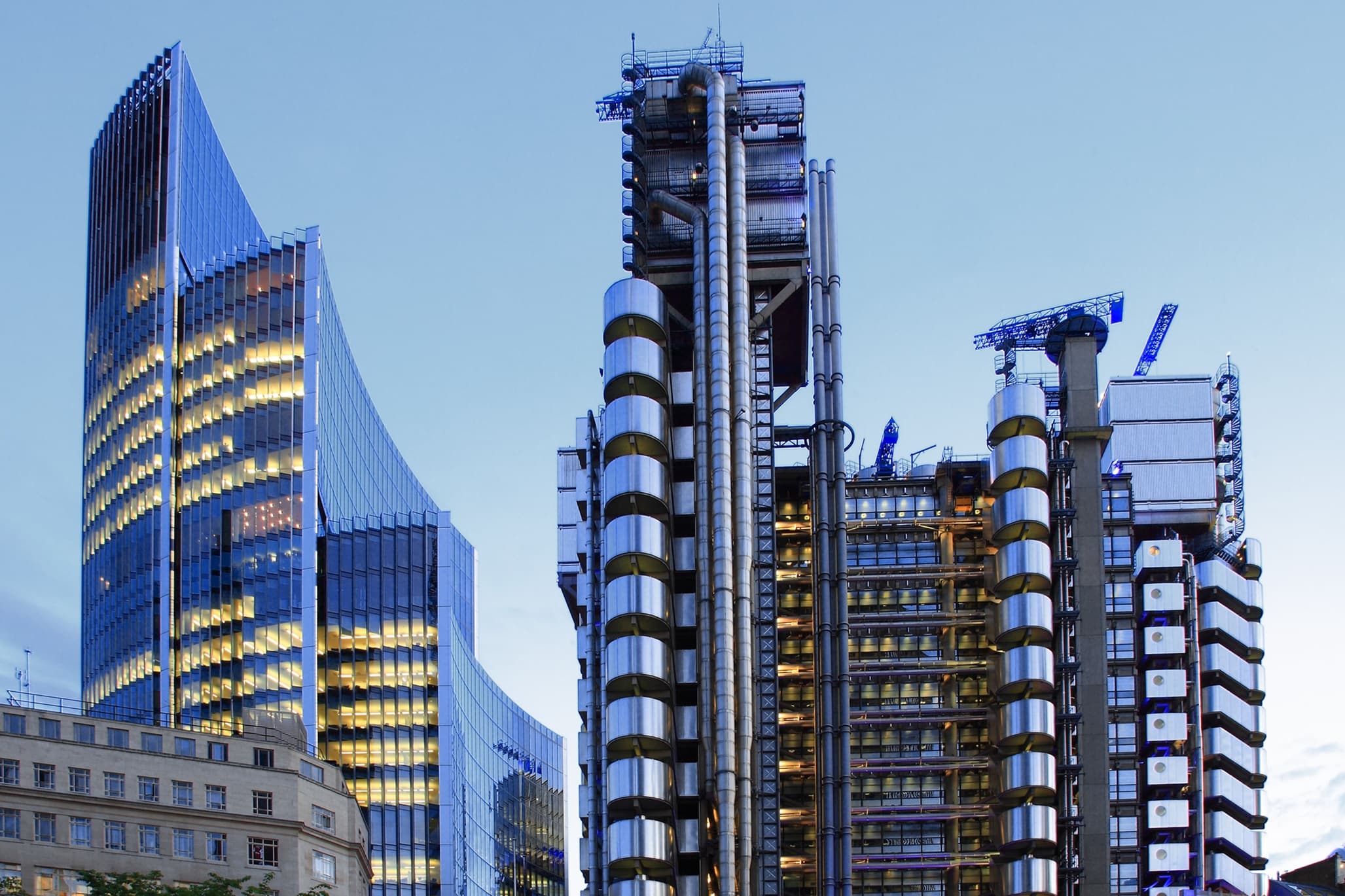
If you develop in a dense urban area, you cannot treat rights to light as a pricing issue you can solve late with compensation. Courts can still grant a rights to light mandatory injunction and force you to cut back or remove built works. In practice, that means demolition or redesign after you have committed to structure, programme, funding, and tenant commitments.
HKRUK II (CHC) Ltd v Heaney shows the point clearly. The court ordered removal of an extension even though the dominant owner did not obtain an interim injunction before completion.
This article explains how a rights to light mandatory injunction works, why courts grant it in some cases, and how you reduce the risk of cut-backs through early technical work, disciplined neighbour strategy, and the right legal mechanisms.
What A Rights To Light Mandatory Injunction Actually Does
A mandatory injunction requires a party to take specific positive actions. In rights to light terms, the court can order you to remove or cut back the offending parts of a development so the claimant’s windows regain adequate light. That differs from a prohibitory injunction, which stops you from starting or continuing works.
When people say “cut-back” in this context, they usually mean one of these outcomes:
- Reduce height. Remove upper storeys, plant rooms, roof enclosures, or set-backs.
- Reduce depth or massing. Pull the building line back from the boundary.
- Remove a specific element. Take down an extension, oversailing volume, or projecting façade feature.
Courts have long had power to grant injunctions (including interim and final injunctions) and to decide whether to grant an injunction or leave the claimant to damages.
Why Courts Grant A Mandatory Injunction In Some Rights To Light Cases
Courts treat rights to light as a property right. Once a claimant proves an actionable interference, the key issue becomes remedy. Historically, practitioners often spoke as if injunctions “normally” follow, with damages as an exception. Modern case law moved the analysis toward a broader balancing exercise, but injunctions remain a live and sometimes decisive risk.
You should understand the practical reason why rights to light mandatory injunctions feel different from many nuisance injunctions. In a noise or activity nuisance, the court can tailor a remedy by limiting hours or imposing controls. In rights to light, the built mass blocks light. If the building stands, the interference continues. That reality pushes the court toward an “all or nothing” remedy unless it substitutes damages.
The Core Legal Framework. Discretion, Not Automation
The Shelfer Test and why it still matters
The traditional reference point comes from Shelfer v City of London Electric Lighting Co (1895). The court framed four questions that help decide when damages can replace an injunction:
- Is the injury small?
- Can you measure it in money?
- Can a small payment adequately compensate it?
- Would an injunction oppress the defendant?
Courts used to apply these tests as a default assessment, most recently referenced in Beaumont v Florala Properties Ltd (2019). You still see these tests in rights to light analysis and in professional guidance.
Coventry v Lawrence. “All the circumstances” now drives the outcome
The Supreme Court in Coventry v Lawrence (Fen Tigers) guided courts away from a rigid approach and toward a broader assessment of what is fair and proportionate in the circumstances. Professional standards reflect that shift. They explain that even if you do not satisfy all four Shelfer tests, the court does not have to grant an injunction. Conversely, even if one test fails, the court does not have to grant an injunction either.
In other words: you cannot rely on a single metric or threshold. You need to build a mitigation strategy the same way you build a liability strategy. You need evidence, conduct, timing, and credibility.
The Biggest Factors That Push Courts Toward Cut-Backs
Developer conduct. Courts dislike a fait accompli
If you build on regardless of protests, you increase the risk that the court orders removal. Courts do not like you presenting them with a fait accompli, especially if you received credible warnings that your massing would infringe rights of light.
Heaney illustrates the point (HKRUK v Heaney 2010). The servient owner admitted infringement, yet the court still ordered removal of the extension. Contemporary commentary explained why courts find it hard to sympathise with a defendant who proceeds unlawfully despite protests.
Practical implication for your development : if a neighbour gives you a coherent technical objection and you keep building without a robust answer, you hand the claimant a strong narrative for a mandatory injunction.
Claimant conduct, early engagement, and realism matter
Injunctions sit in equitable discretion. Courts weigh how the claimant behaved in the dispute itself. A claimant who refuses to engage at all, ignores reasonable design mitigation offers, or refuses to discuss settlement can damage their position.
Courts also look at whether the claimant raised concerns early. A claimant would be well advised to make their position known as soon as they become aware of a potentially infringing development and they should try to cooperate on design and settlement discussions.
Timing and the Interim Injunction trap
Many people assume a claimant must seek an interim injunction or lose the chance of a final mandatory injunction. That is not true as a hard rule, but the failure to seek interim relief remains relevant.
Interim injunctions exist to preserve the status quo while the court determines rights and remedy at trial. Without them, a defendant can sometimes “ride roughshod” over the claimant’s rights by building fast and arguing demolition creates waste.
That said, a claimant who waits, watches construction proceed, and does nothing can struggle to justify a cut-back later, especially if they clearly understood the scheme.
Developer takeaway: you should not assume “they did not injunct us early, so we are safe.” Claimant takeaway: you should not assume “we can always cut it back later.” Both sides must treat interim strategy as a core decision early.
Completed building. Waste matters, but it does not decide the case
Courts consider the waste of resources in ordering demolition of recently completed works. That reality can tilt the court toward damages in lieu in some cases, most recently in the Bankside Yards judgement.
However, the same commentary also makes the point that waste does not give you a free pass. The judgement in Heaney again shows the court can still order removal even after completion if the equities and conduct justify it.
Public interest and planning permission
Rights to light disputes are private law matters, but courts can take public interest into account when exercising discretion on injunctions. The Supreme Court considered these themes in Coventry v Lawrence.
You should not overplay planning permission as a shield. Planning permission does not extinguish private property rights. It may influence remedy in some instances, but it does not eliminate the risk.
What Evidence Wins Or Loses A Rights To Light Mandatory Injunction
You need clear proof of the right, not just the loss
Injunction risk starts with establishing the easement. If you advise a developer, you want early due diligence on whether the neighbouring apertures enjoy established rights, how they arose, and whether anything interrupts them. If you advise a neighbour, you want window history and evidence of long enjoyment.
You need a technical case the court can trust
Courts rely heavily on expert evidence in rights to light cases although judges may view premises and will weigh technical evidence when assessing interference and remedy.
Your technical work should do three things:
- Define the apertures that matter and the rooms they light.
- Model existing and proposed conditions using accepted methodology.
- Translate the model into what changes for the occupier in real terms.
If you push for a mandatory injunction, you need to show why money does not solve the problem. Residential context often supports that argument because people value light for amenity, not only for financial reasons.
How Recent Case Law Affects The “Injunction v Damages” Decision
The Bankside Yards dispute (Cooper & Ors v Ludgate House Ltd) matters because it deals directly with injunction discretion and damages methodology in a modern London development context.
Multiple commentary pieces published in 2025 explain that the court refused an injunction and awarded damages instead, reinforcing that courts will scrutinise remedy closely even where infringement exists.
What this means for you in practice:
- You cannot treat “no injunction” as a default outcome. Courts still start from the seriousness of enforcing property rights, then move into discretion factors.
- You must plan for both outcomes. Build an injunction-risk plan and a damages-exposure plan.
- You should expect deeper analysis on negotiating damages versus diminution in value where the court refuses an injunction.
Practical Measures to Reduce The Risk Of Cut-Backs
Start rights to light assessment early enough to change massing cheaply
You reduce injunction risk most effectively when you can still change the building. Do a preliminary model at concept stage, then re-test at each planning design freeze. If your team only tests after planning submission, you usually leave yourself with only expensive mitigation options.
Use neighbour engagement as a risk control tool, not as a courtesy
If you act for a developer:
- Identify the high-risk neighbours early.
- Share enough information to let them assess properly.
- Offer a structured process. Pay their reasonable surveyor costs if that speeds resolution and prevents adversarial escalation.
- Record all offers and responses.
This is a prudent strategy for developers to take and it can reduce the risk of injunction by avoiding the “surprise build” narrative.
If you act for an injured owner:
- Write early with a clear technical basis, not just objection language.
- Ask for information and propose mitigation options.
- Keep the door open to resolution if the developer improves the design.
Treat interim injunction strategy as a decision point, not a threat
If you represent a claimant and you want a rights to light mandatory injunction at trial, you need to think hard about interim relief. Interim injunctions exist to stop the “build now, pay later” dynamic.
If you represent a developer and you receive credible threats of interim relief, you should not gamble on speed. You should decide whether you pause, redesign, or seek a court-managed route such as declarations, while you protect programme and funding.
Use settlement documents that reduce future ambiguity
Where parties agree a release, you should anchor it to:
- An agreed massing envelope, spot heights, and tolerance.
- Clear identification of apertures and the extent of release.
- A mechanism to handle design changes without re-litigating the entire deal.
Consider statutory routes that remove injunction risk in the right scenario
Section 203 of the Housing and Planning Act 2016 can, in specific circumstances, allow development to proceed without the threat of an injunction, while preserving compensation rights. Appropriation for planning purposes can facilitate development where rights to light would otherwise block it, and any compensation then follows compulsory purchase methodology, which typically comes in lower than commercial settlement levels.
In practical terms, you should only treat this as a route where the public interest and appropriation path genuinely fits. When it fits, it changes the negotiation dynamics because it removes the injunction threat and whilst it does not remove compensation exposure it is significantly reduced.
Do not confuse “preventing new rights” with “solving an existing dispute”
Light Obstruction Notices under the Rights of Light Act 1959 can prevent new prescriptive rights from arising or can interrupt the statutory prescription period, but they do not extinguish rights created expressly by deed.
If you operate an estate with long-term development potential, you should treat LONs as forward risk management, not as a solution once a neighbour already holds established rights.
When You Should Expect Courts To Order Cut-Backs
You should treat these circumstances as higher risk for a rights to light mandatory injunction:
- Residential claimants with strong amenity evidence and credible expert support.
- Clear, significant interference rather than marginal loss.
- Developer proceeds despite early, substantiated warnings.
- Developer refuses reasonable design mitigation options.
- Claimant acts promptly, engages constructively, and avoids tactical delay.
- The court sees the case as one where damages would effectively let a developer keep a profit from a deliberate wrong.
Courts often feel real unease when a developer deliberately builds into a rights to light infringement and then argues that money should solve the problem. That approach looks like an attempt to convert a private property right into a price tag set after the event. The Court of Appeal made the point sharply in Regan v Paul Properties. It granted a mandatory injunction and criticised the idea that a defendant can press on and treat litigation as part of the project risk. The court noted that the defendants had taken a calculated risk and continued with construction “with their eyes open” after the claim had been asserted. It also rejected the notion that the claimant’s proper price for a negotiated release would necessarily look “small” once you link it to a proportion of the defendant’s profit from the infringing part of the scheme.
That judicial discomfort sits alongside a broader principle on remedies in nuisance. In Coventry v Lawrence, the Supreme Court approved guidance from Colls that supports injunctions where a defendant acts in a high-handed way, tries to “steal a march”, or seeks to evade the court’s jurisdiction. The court framed injunctions in those circumstances as doing justice to the claimant and operating as a warning to others. That logic maps directly onto rights to light disputes where a developer knowingly builds first and negotiates later. Coventry also reaffirmed the prima facie position that an injunction should be granted, with the legal burden on the defendant to show why it should not.
At the same time, courts recognise the risk of the opposite abuse: using rights to light as leverage for extracting money out of proportion to the real interference. Coventry again matters here because the Supreme Court highlighted that balance and cited Colls’ warning against using “ancient lights” claims as a vehicle for extorting money.
When a court refuses a cut-back, it can still prevent a wrongdoer keeping the upside by awarding negotiating damages that reflect the price for releasing the right, not just the claimant’s loss in value. Coventry explicitly accepts that, in principle, damages can represent a reasonable price for a licence to commit the nuisance, pointing by analogy to Jaggard v Sawyer where damages effectively bought a right for a capital sum. This fits the way the courts have approached rights to light negotiating damages in practice. In Tamares (Vincent Square) v Fairpoint Properties, the court assessed damages by reference to a hypothetical negotiation and took account of bargaining position and the development’s economics, drawing on earlier authorities such as Carr-Saunders and Wrotham Park.
A current example shows how this works in the real world. In the recent Bankside Yards judgement (Cooper v Ludgate House), the court refused an injunction but awarded very substantial negotiating damages (£500,000 and £350,000). That outcome shows the court can withhold demolition while still stripping out a meaningful slice of the developer’s profit where the facts justify it.
FAQs - Rights to Light Mandatory Injunction
What is a rights to light mandatory injunction?
It is a court order requiring the developer to take positive action to remedy the infringement, usually by cutting back or removing parts of the development that obstruct light.
Will the court always order a cut-back if I prove an infringement?
No. Courts have discretion on remedy. They can grant an injunction or award damages instead.
Do the Shelfer tests still apply?
They still influence the analysis, but courts now look at all circumstances, not a rigid checklist.
If the claimant did not apply for an interim injunction, can they still get a mandatory injunction at trial?
Yes, the court can still grant a mandatory injunction, but the failure to seek interim relief remains relevant to discretion. Heaney shows the court can still order removal even without an earlier interim injunction.
Does completing the building protect me from a cut-back order?
No. Completion can make demolition seem wasteful, but it does not guarantee damages in lieu. Courts can still order removal where the facts justify it.
Does planning permission stop a rights to light injunction?
No. Planning permission does not remove private rights. It may play into public interest considerations in remedy, but it does not extinguish the easement.
What conduct most increases the risk of a rights to light mandatory injunction against a developer?
Proceeding despite protests and credible technical warnings. Courts dislike faits accomplis and may respond with mandatory removal.
What conduct most increases the risk of a claimant losing an injunction?
Delay, lack of prompt objection, or refusal to engage constructively on mitigation and settlement. Courts consider clean hands and dispute conduct.
What did the Bankside Yards decision change about injunctions?
It reinforced that courts will examine remedy closely and may refuse an injunction even where infringement exists, then focus heavily on the correct damages basis.
Can section 203 remove the injunction risk?
In the right circumstances, yes. It can allow development to proceed unencumbered by the injunction threat, while leaving compensation payable.
Can I use a Light Obstruction Notice to defeat an existing rights to light claim?
No. LONs address prescriptive acquisition and interruption. They do not extinguish expressly granted rights and they do not provide a shortcut once a neighbour already holds an established easement.
What single action reduces injunction risk the most on a live scheme?
Run an early rights to light model, redesign massing before you lock structure, then engage key neighbours with a credible mitigation and settlement plan. The longer you wait, the more your options collapse into “pay or cut back,” and courts can still choose cut back.
Need Expert Advice?
At Anstey Horne, our specialist surveyors have extensive experience advising developers, property owners, and legal teams across the UK. We help identify risks, negotiate solutions, and ensure your project progresses with confidence. Speak to our Rights to Light surveyors to discuss how we can help resolve any Rights to Light concerns.
For advice on rights to light direct from one of our surveyors, please call our Rights to Light Enquiry Line on 020 4534 3138.
If you would rather we called you instead, please fill in our Contact form and we will be in touch.
For more information on rights to light mandatory injunction, and how rights are measured and defended, please see our Fact Sheet, and for a collection of articles on all aspect of this service see our blog.
For advice on rights to light direct from one of our surveyors, please call our Rights to Light Enquiry Line on 020 4534 3138.
If you’d like us to call you, please fill in our Contact Us form and we will call you back.

Matthew Grant
BA (Hons) MScLL
Senior Director
Rights to Light
London

Gracie Irvine
BSc (Hons)
Director
Rights to Light
London

Stephen Mealings
BSc (Hons) MRICS
Senior Director
Rights to Light + PW
Birmingham

William Whitehouse
Director
Rights to Light
London