The Dilapidations Protocol: Timelines, Evidence & Tactics
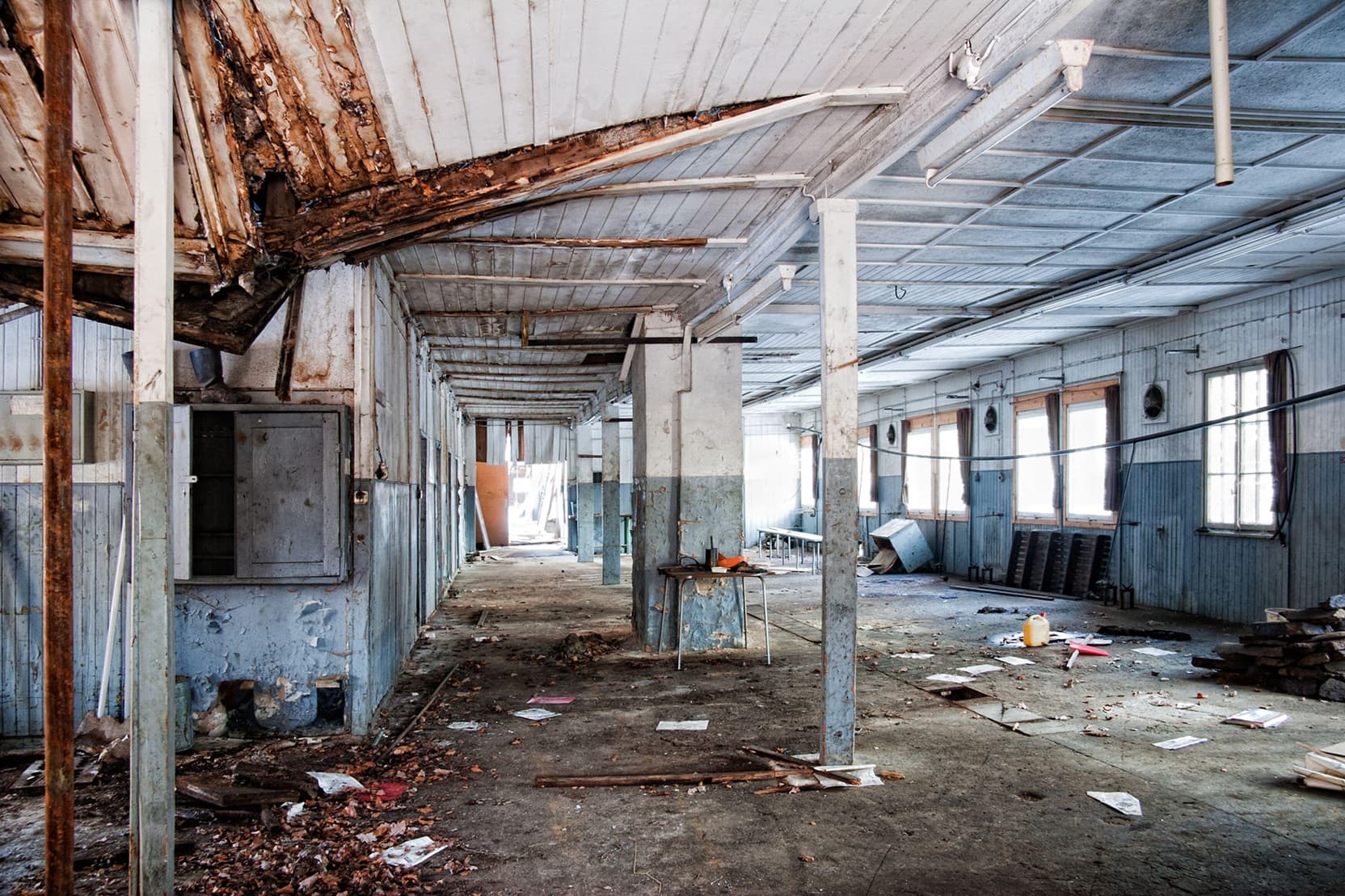
Commercial dilapidations disputes often become expensive because parties fail to follow the correct process from the outset. The dilapidations protocol exists to reduce unnecessary litigation, improve transparency, and encourage settlement before court proceedings begin. Landlords, tenants, surveyors, and solicitors all need to understand how the protocol works and how timing, evidence, and negotiation tactics can influence the outcome of a claim.
The dilapidations protocol applies to claims for damages relating to the physical condition of commercial property at the end of a tenancy in England and Wales. The protocol sets out a structured framework for exchanging information, responding to claims, and attempting settlement before litigation starts.
Understanding the dilapidations protocol can help landlords maximise recovery while helping tenants reduce exposure to inflated or poorly evidenced claims. It also allows both sides to avoid adverse cost consequences for failing to comply with pre-action requirements.
What Is the Dilapidations Protocol?
The formal title of the protocol is the Pre-Action Protocol for Claims for Damages in Relation to the Physical State of Commercial Property at Termination of a Tenancy.
The protocol applies to terminal dilapidations claims involving commercial property in England and Wales. It establishes a timetable and process for:
- Serving schedules of dilapidations
- Quantifying losses
- Responding to claims
- Exchanging evidence
- Negotiating settlement
- Considering alternative dispute resolution
The protocol aims to encourage the early exchange of information and reduce unnecessary litigation.
Courts expect parties to comply with the protocol before issuing proceedings. Failure to comply can affect costs awards, even where a party ultimately succeeds at trial.
Why the Dilapidations Protocol Matters
The dilapidations protocol is not simply administrative guidance. It shapes the conduct of claims from the earliest stages.
A well-prepared claim under the protocol can:
- Strengthen a landlord’s negotiating position
- Expose weaknesses in a tenant’s defence
- Narrow issues quickly
- Reduce litigation costs
- Encourage early settlement
- Improve prospects of recovering legal costs
Poor compliance can produce the opposite result. Weak schedules, unsupported costings, delayed responses, or unrealistic demands often undermine credibility and increase dispute costs.
The protocol also forces parties to confront the reality of Section 18(1) of the Landlord and Tenant Act 1927. A landlord cannot automatically recover the cost of all remedial works. The actual diminution in value to the reversion may cap recoverable damages.
This means evidence and strategy matter just as much as the physical condition of the property.
The Main Objectives of the Dilapidations Protocol
The protocol identifies several core objectives. These include:
- Encouraging early and full exchange of information
- Allowing parties to settle before proceedings commence
- Supporting efficient management of disputes where litigation becomes necessary
The protocol therefore focuses heavily on transparency, evidence, and realistic valuation of loss.
When Does the Dilapidations Protocol Apply?
The dilapidations protocol applies to claims concerning:
- Commercial property
- Physical disrepair or breaches
- End-of-lease claims
- Terminal dilapidations
It does not apply to housing disrepair claims.
The protocol generally becomes relevant shortly before lease expiry or immediately after termination of the tenancy.
Landlords often instruct surveyors several months before lease expiry to inspect the premises and prepare a terminal schedule.
The Schedule of Dilapidations
The schedule of dilapidations forms the foundation of the entire claim.
Under the protocol, the landlord should provide a schedule identifying:
- Alleged breaches
- Relevant lease clauses
- Required remedial works
- Cost estimates where relevant
The protocol also states that breaches should be categorised separately, including:
- Repair
- Reinstatement
- Redecoration
This structure matters because different legal and valuation principles may apply to each category.
Timing Requirements Under the Dilapidations Protocol
One of the most important aspects of the dilapidations protocol is timing.
The protocol states that schedules should generally be served within 56 days after termination of the tenancy.
The Quantified Demand should also usually be served within the same timeframe.
The tenant then normally has 56 days to respond.
The parties should generally meet within 28 days after the tenant serves its response.
These timelines create a structured process that encourages momentum and prevents claims from drifting.
Interim Schedules vs Terminal Schedules
Landlords sometimes serve interim schedules during the lease term to identify breaches early.
However, the terminal schedule remains the key document under the dilapidations protocol.
A terminal schedule should reflect the actual condition of the property at lease expiry. If a landlord served a schedule before termination, the landlord must confirm that the schedule remains accurate or issue a further schedule.
This prevents landlords from relying on outdated inspection information.
The Importance of Evidence
Evidence often determines the success or failure of a dilapidations claim.
Strong evidence typically includes:
- The lease and licences
- Photographic records
- Inspection notes
- Schedules of condition
- Repair histories
- Contractor quotations
- Invoices
- Expert reports
- Valuation evidence
- Reinstatement notices
- Planned redevelopment evidence
The protocol specifically requires quantified and substantiated claims.
Unsupported figures create vulnerability during negotiations and litigation.
The Quantified Demand
The Quantified Demand is a critical stage under the dilapidations protocol.
This document should:
- Explain the monetary claim
- Quantify damages
- Include supporting evidence
- Clarify VAT treatment
- Identify additional losses
- Confirm willingness to negotiate
Many landlords underestimate the importance of this stage. A poorly prepared Quantified Demand often signals weakness to the tenant.
Common Errors in Quantified Demands
Several recurring mistakes weaken claims:
Inflated Costings
Landlords sometimes include excessive contractor estimates or contingency sums.
Experienced tenant surveyors often challenge inflated pricing aggressively.
Claiming Superseded Works
The protocol specifically states that claims should not include works likely to be superseded by the landlord’s intentions for the property.
If a landlord intends major redevelopment, extensive repair claims may fail.
Failure to Address Section 18
A landlord who ignores diminution principles risks substantial reductions later.
Lack of Supporting Documentation
Unsupported estimates rarely survive scrutiny.
Tenant Response Tactics
Tenants should approach the dilapidations protocol strategically rather than defensively.
The Response should explain clearly:
- Which breaches are admitted
- Which items are disputed
- Why certain works are excessive
- Whether landlord intentions supersede works
- Whether costings are unreasonable
A detailed and evidence-backed response often changes the direction of negotiations quickly.
How Tenants Reduce Exposure
Experienced tenant advisers often focus on:
Challenging Causation
Not all deterioration constitutes breach. Fair wear and tear clauses may protect tenants.
Challenging Scope
Some schedules include unnecessary upgrading rather than repair.
Challenging Quantum
The landlord’s actual loss may be far lower than the cost of works.
Relying on Supersession
Redevelopment plans can substantially reduce recoverable damages.
Using Diminution Valuations
A formal diminution valuation may cap damages significantly below the schedule total.
Supersession and Landlord Intentions
One of the most powerful defence strategies involves supersession.
The protocol repeatedly emphasises landlord intentions.
If planned works would remove or replace items regardless of tenant breaches, the landlord may struggle to recover those costs.
Examples include:
- Full office refurbishments
- Category A strip-outs
- Structural redevelopment
- Change of use schemes
- Major MEP replacement
Tenants often investigate planning applications, redevelopment proposals, board approvals, funding arrangements, and contractor appointments to establish supersession arguments.
Section 18 and Diminution Valuation
Section 18(1) of the Landlord and Tenant Act 1927 remains central to most terminal dilapidations claims.
The landlord cannot recover damages exceeding the reduction in value to the reversion caused by the breaches.
The protocol therefore requires landlords to quantify losses properly before proceedings.
Where works have not been completed, landlords may need a formal diminution valuation.
Tenants may also rely on their own diminution evidence.
This often becomes the decisive valuation battleground.
Tactical Use of Expert Evidence
Surveyors and valuers play a critical role throughout the dilapidations protocol process.
Landlord surveyors need to ensure:
- Schedules remain realistic
- Works are genuinely required
- Costings are supportable
- Landlord intentions are properly reflected
Tenant surveyors need to:
- Analyse each lease covenant carefully
- Test causation
- Challenge specification standards
- Review market evidence
- Assess supersession risks
- Investigate valuation caps
Strong expert evidence frequently drives settlement without court proceedings.
Negotiation Meetings Under the Protocol
The protocol encourages parties to meet after the Response stage.
These meetings often provide the best opportunity for settlement.
Effective negotiation meetings usually involve:
- Item-by-item analysis
- Agreed Scott schedules
- Review of valuation evidence
- Discussion of landlord intentions
- Commercial settlement proposals
Preparation is essential.
The most successful parties enter negotiations with:
- Clear evidential support
- Defined settlement ranges
- Cost-risk analysis
- Strong technical reasoning
Alternative Dispute Resolution
The dilapidations protocol strongly encourages alternative dispute resolution.
The protocol specifically states that litigation should be a last resort.
ADR options include:
- Mediation
- Expert determination
- Early neutral evaluation
- Without prejudice meetings
Courts increasingly expect parties to consider ADR seriously.
An unreasonable refusal to mediate may lead to adverse costs consequences.
Common Tactical Mistakes by Landlords
Overclaiming
Aggressive opening positions sometimes undermine credibility.
Ignoring Redevelopment Plans
Failure to account for supersession can damage the entire claim.
Weak Cost Evidence
Broad estimates without substantiation rarely persuade sophisticated tenants.
Delayed Action
Late schedules and slow responses weaken momentum.
Failure to Consider Diminution
Landlords who ignore valuation evidence often spend heavily pursuing unrecoverable sums.
Common Tactical Mistakes by Tenants
Delayed Responses
Ignoring the protocol rarely helps.
Generic Denials
Unsupported disagreement carries little weight.
Failure to Obtain Expert Advice
Dilapidations disputes involve technical surveying and valuation issues.
Missing Reinstatement Obligations
Licence obligations can significantly increase exposure.
Underestimating Litigation Risk
Some tenants adopt unrealistic positions that later increase costs liability.
Litigation and Cost Consequences
Although many claims settle, some proceed to court.
Courts will examine:
- Compliance with the dilapidations protocol
- Reasonableness of conduct
- Attempts to settle
- ADR participation
- Quality of evidence
Poor conduct can affect costs orders significantly.
Even successful parties may lose part of their costs recovery if they failed to comply with the protocol properly.
Best Practice for Landlords
Landlords should:
- Inspect early
- Review lease obligations carefully
- Gather photographic evidence
- Consider future property intentions
- Obtain realistic cost estimates
- Assess Section 18 implications
- Prepare detailed Quantified Demands
- Engage constructively in negotiations
A commercially realistic strategy often produces better outcomes than aggressive overclaiming.
Best Practice for Tenants
Tenants should:
- Review lease obligations well before expiry
- Undertake pre-expiry inspections
- Consider completing works before lease end
- Preserve evidence of condition
- Obtain expert surveying advice
- Investigate landlord redevelopment intentions
- Challenge unsupported claims
- Consider diminution evidence early
Early preparation frequently reduces settlement values substantially.
Why Early Strategic Advice Matters
The dilapidations protocol rewards preparation and evidence.
Many disputes become unnecessarily expensive because parties react too late.
Surveyors and solicitors who specialise in dilapidations can often identify:
- Weak lease clauses
- Supersession opportunities
- Valuation caps
- Excessive specifications
- Tactical negotiation advantages
Early expert advice often changes the commercial outcome dramatically.
Conclusion - Dilapidations Protocol
The dilapidations protocol provides a structured framework for resolving commercial property disputes efficiently and proportionately. Landlords and tenants who understand the protocol gain a significant tactical advantage.
Success in a dilapidations claim depends on far more than identifying physical defects. Timing, evidence quality, valuation strategy, and negotiation conduct all influence the final outcome.
Landlords who prepare realistic and well-supported claims often secure faster settlements. Tenants who investigate landlord intentions and challenge unsupported losses can substantially reduce exposure.
The most effective approach involves early expert input, strong documentary evidence, realistic valuation analysis, and constructive negotiation throughout the dilapidations protocol process.
For landlords, tenants, investors, and property professionals involved in commercial lease disputes, obtaining specialist dilapidations advice early can reduce risk, protect value, and improve settlement outcomes.
FAQs About the Dilapidations Protocol
What is the dilapidations protocol?
The dilapidations protocol is the formal pre-action process governing commercial terminal dilapidations claims in England and Wales. It sets out how landlords and tenants should exchange information and attempt settlement before litigation.
Does the dilapidations protocol apply to residential property?
No. The protocol applies to commercial property disputes only. Residential disrepair claims follow different protocols.
How long does a landlord have to serve a schedule of dilapidations?
The protocol states that schedules will generally be served within 56 days after lease termination.
What is a Quantified Demand?
A Quantified Demand is the landlord’s formal claim document setting out alleged losses, supporting evidence, and the damages sought.
How long does a tenant have to respond?
The tenant will usually have 56 days to respond to the Quantified Demand.
Can a landlord recover all repair costs automatically?
No. Section 18(1) of the Landlord and Tenant Act 1927 may cap damages based on diminution in value.
What is supersession in dilapidations?
Supersession occurs where the landlord’s planned works would replace or remove items regardless of tenant breaches, potentially reducing recoverable damages.
Is mediation required under the dilapidations protocol?
The protocol encourages ADR and mediation strongly, but parties cannot be forced to mediate.
What happens if parties ignore the dilapidations protocol?
Courts may impose cost penalties for non-compliance with the protocol.
Should tenants obtain expert surveying advice?
Yes. Dilapidations claims involve technical, legal, and valuation issues that usually require specialist advice.
Contact - Dilapidations Protocol
Need help with a dilapidations matter? If you want an expert to triage your Schedule, frame a Scott Schedule response, or produce a Section 18(1) valuation, our team can step in at any stage—from pre-exit strategy to final settlement.
From initial inspections to final settlement, we bring clarity and confidence to every stage.
For more information on all aspects of dilapidations and yield up obligations see the collection of articles in our blog.
We assist commercial landlords and tenants on all aspects of lease obligations, repair and dilapidations.
We provide specialist surveys, new lease schedules of condition and general dilapidations advice.
For any help or advice on repair obligations, Dilapidations issues; or to commission a schedule of condition for a new lease call us on 020 4534 3132 or contact one of the team :

Simon Hill
BSc MRICS
Senior Director
Building Surveying
Manchester

Sam Holmes
BSc (Hons) MRICS
Associate Director
Building Surveying
Manchester

Alexa Cotterell
BSc MRICS
Senior Director
Building Surveying
Birmingham