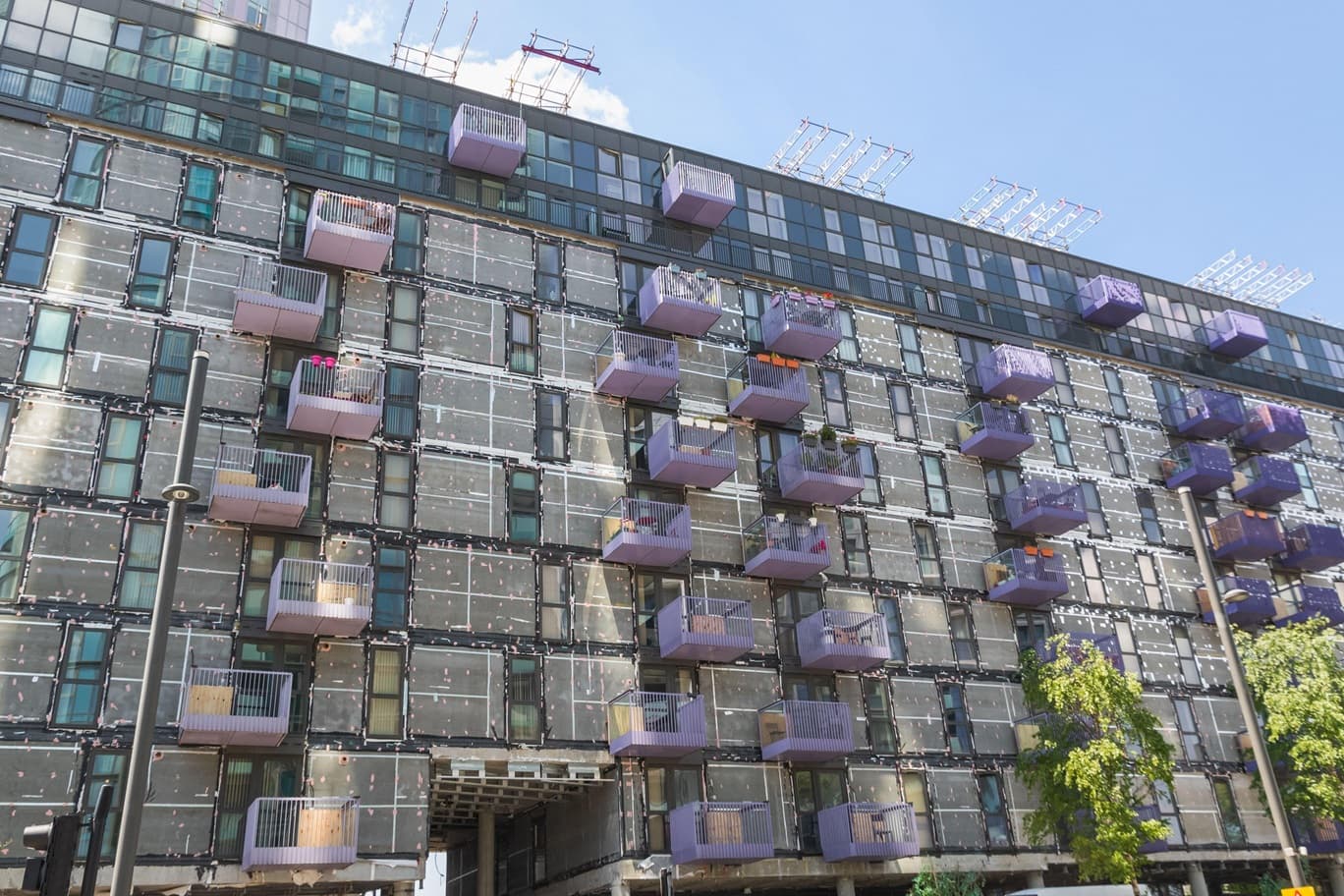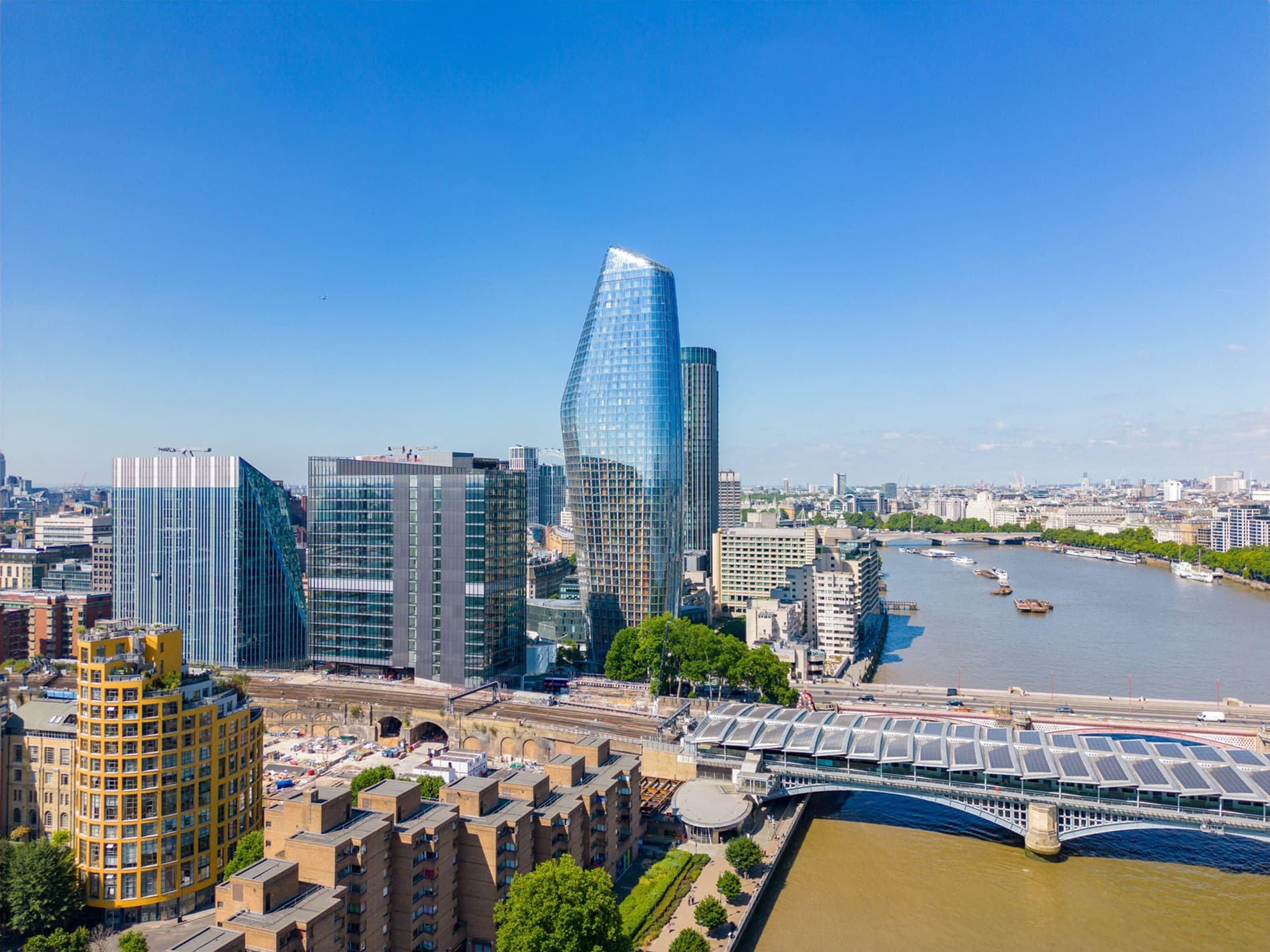
The Bankside Yards litigation has already become one of the most significant modern rights to light disputes in England and Wales, with the judgement on costs potentially equally significant. The substantive judgment in Cooper & Powell v Ludgate House Limited [2025] EWHC 1724 (Ch) confirmed that the Arbor tower at the Bankside Yards development infringed neighbouring flats’ rights to light but declined to grant an injunction, awarding negotiating damages instead.
However, the litigation did not end with the liability decision. A further judgment on costs, handed down in Cooper & Powell v Ludgate House Limited [2026] EWHC 484 (Ch), provides important guidance on how the courts approach success, settlement offers, and litigation conduct in rights to light disputes.
For developers, neighbours, and professional advisers, the Bankside Yards Costs Judgement carries significant lessons about litigation strategy, Part 36 offers, and the financial risks of pursuing rights to light claims through trial.
This article examines the costs decision in detail and explains its implications for rights to light practitioners and property developers.
Background to the Bankside Yards Litigation
The dispute arose from the Arbor tower, the first completed building within the £2 billion Bankside Yards development on London’s South Bank.
The claimants, Kevin Cooper and Stephen and Jennifer Powell, owned flats in the neighbouring Bankside Lofts building. They argued that the construction of Arbor substantially reduced natural light entering their flats and therefore infringed their legally acquired rights to light.
The claimants sought four principal remedies:
- A declaration that they enjoyed rights to light over the development site.
- A finding that the construction of Arbor infringed those rights.
- A mandatory injunction requiring the developer to cut back the building.
- Alternatively, damages in lieu of an injunction.
At trial, the High Court found that the development did infringe the claimants’ rights to light, but the judge exercised discretion and refused to order an injunction. Instead, he awarded negotiating damages of:
- £350,000 to Mr Cooper
- £500,000 to Mr and Mrs Powell
With interest, the final judgment sums exceeded £397,000 for Mr Cooper and £567,000 for the Powells.
Although the claimants established infringement, they failed to secure their primary objective: preservation of their light through an injunction.
This mixed outcome created a complex issue when the court later had to determine who was the “successful party” for the purposes of costs.
The Key Issue in the Bankside Yards Costs Judgement
Under the Civil Procedure Rules (CPR), the general rule is that the unsuccessful party pays the successful party’s costs. However, courts have wide discretion and frequently depart from this rule where success is divided.
In the Bankside Yards case, two major questions arose:
- Who was the successful party overall?
- What effect should the developer’s settlement offers have on costs?
The answers to those questions drove the final costs order.
Determining the “Successful Party”
The developer argued that it should be treated as the successful party because the claimants failed to obtain the relief they primarily sought, namely an injunction requiring modification or demolition of the Arbor building.
The court rejected that argument.
Mr Justice Fancourt held that the claimants had still achieved something of real value by proving infringement and obtaining substantial damages. The court emphasised that the assessment of success must reflect practical outcomes rather than technical victories on individual issues.
The judge noted that:
- The developer vigorously contested liability.
- The claimants succeeded in establishing their rights to light.
- They proved actionable interference with those rights.
- They obtained significant damages far exceeding pre-litigation offers.
However, the claimants were not wholly successful.
The issue on which they lost was of major importance: the refusal of an injunction. If an injunction had been granted, the developer might have been forced to cut back or alter the building at enormous cost.
As a result, the judge concluded that the claimants were the overall successful parties, but only partially.
This led the court to adopt a proportionate costs order rather than awarding all costs to one side.
The Role of Settlement Offers in the Costs Decision
Settlement offers played a central role in the Bankside Yards Costs Judgement.
In November 2024, the developer made settlement offers of £500,000 to each claimant, conditional on the release of rights to light and other related claims.
These offers were framed to include:
- Settlement of the current litigation
- Release of rights to light
- Waiver of potential future statutory compensation claims under section 204 of the Housing and Planning Act 2016
The developer argued that the claimants should face adverse costs consequences because they rejected these offers but ultimately recovered sums broadly similar to them.
The court examined these arguments carefully.
The Powells’ Costs Award
In the case of Stephen and Jennifer Powell, the court concluded that they had comfortably beaten the November 2024 settlement offer.
The judge found that:
- The Powells recovered more than the offered amount once interest was included.
- The offer also required them to release rights beyond the claim itself.
- The offer therefore carried limited weight when determining costs.
However, because the Powells failed to obtain an injunction, the developer had succeeded on a major issue.
To reflect this mixed outcome, the court ordered that the Powells should recover two-thirds of their legal costs.
Mr Cooper’s Costs Award
The position for Kevin Cooper was more complex.
Mr Cooper was offered £500,000 to settle his claim and release his rights to light. At trial he recovered £350,000 in damages, which increased to about £385,000 with interest.
The developer argued that he had therefore failed to beat the offer and should face significant adverse costs consequences.
The court rejected that argument for two reasons.
1. The Value of Future Rights Could Not Be Determined
The settlement offer required Mr Cooper to release rights that might generate future compensation claims.
The court concluded that it was impossible to determine whether the judgment was less advantageous than the offer, because the value of those future rights had not been determined.
Therefore, the developer failed to prove that the Part 36 consequences should apply.
2. Mr Cooper’s Litigation Conduct
However, the court did criticise Mr Cooper’s approach to settlement.
Evidence showed that he made a counter-offer of £7 million, far beyond any reasonable valuation of the claim.
The judge concluded that this position was unrealistic and that Mr Cooper had pursued the case in the hope of extracting a far larger payment.
As a result, the court significantly reduced the costs he could recover.
Mr Cooper was awarded only one-third of his legal costs.
Practical Lessons from the Bankside Yards Costs Judgement
The costs ruling offers several important lessons for rights to light practitioners and property developers.
1. Success in Litigation Is Not Binary
The Bankside Yards Costs Judgement confirms that courts will often treat rights to light cases as mixed success claims.
A claimant who proves infringement but fails to obtain an injunction may still be the successful party overall, but the costs award may be significantly reduced.
2. Injunctions Remain the Central Strategic Issue
The refusal of an injunction was the decisive factor shaping the costs outcome.
From the developer’s perspective, defeating the injunction claim justified a substantial reduction in the claimants’ recoverable costs.
This reflects the continuing importance of injunction risk in rights to light disputes.
3. Settlement Offers Carry Major Costs Consequences
The judgment highlights the strategic importance of Part 36 settlement offers.
Where a party rejects a reasonable offer and fails to achieve a better result at trial, the court may impose severe costs penalties. The Civil Procedure Rules allow rejected offers to trigger significant costs consequences, including liability for the opponent’s costs and additional interest.
For surveyors advising clients, this emphasises the need to carefully evaluate settlement offers during negotiations.
4. Unrealistic Settlement Positions Can Reduce Recoverable Costs
Mr Cooper’s refusal to engage with realistic settlement proposals contributed to the reduction in his recoverable costs.
Courts increasingly scrutinise litigation conduct when determining costs.
Parties who adopt extreme negotiating positions risk financial penalties even if they succeed on liability.
5. Rights to Light Claims Can Carry Enormous Costs Risk
The Bankside Yards litigation reportedly generated millions of pounds in legal costs, highlighting the financial risks involved in pursuing injunction-based claims against major developments.
For property owners and developers alike, the case illustrates why early expert advice and negotiated settlements remain the most commercially sensible route in most disputes.
Key Takeaways from the Bankside Yards Costs Judgement
- The High Court held that the claimants were the overall successful parties, but only partially, because they failed to obtain an injunction.
- The Powells recovered two-thirds of their legal costs due to their success on liability and damages.
- Mr Cooper recovered only one-third of his costs because of his litigation conduct and settlement stance.
- Settlement offers played a major role in the court’s analysis, although the developer could not prove that its offer had been beaten.
- The judgment reinforces the importance of proportionate costs orders in mixed-success rights to light cases.
- The case demonstrates the substantial financial risk of litigating rights to light disputes to trial.
Conclusion – Bankside Yards Costs Judgement
The Bankside Yards Costs Judgement adds an important new chapter to the developing jurisprudence on rights to light litigation.
While the liability judgment clarified how courts approach injunctions and negotiating damages, the costs decision demonstrates how the courts will evaluate success, settlement conduct, and proportionality when allocating legal costs.
For developers, the ruling confirms that successfully resisting an injunction can significantly reduce exposure to costs even where liability is established.
In the case of neighbouring owners, the judgement highlights the importance of realistic settlement strategy and careful evaluation of litigation risk.
For rights to light surveyors and advisers, the message is clear: technical analysis of light injury is only one part of the dispute. Litigation strategy, settlement negotiations, and cost exposure are equally critical in determining the ultimate outcome.
Need Further Expert Advice?
At Anstey Horne, our specialist surveyors have extensive experience advising developers, property owners, and legal teams across the UK. We help identify risks, negotiate solutions, and ensure your project progresses with confidence. Speak to our Rights to Light surveyors to discuss how we can help resolve any Rights to Light concerns.
For advice on rights to light direct from one of our surveyors, please call our Rights to Light Enquiry Line on 020 4534 3138.
If you would rather we called you instead, please fill in our Contact form and we will be in touch.
For more information on rights to light FAQs, and how rights are measured and defended, please see our Fact Sheet, and for a collection of articles on all aspect of this service see our blog.